
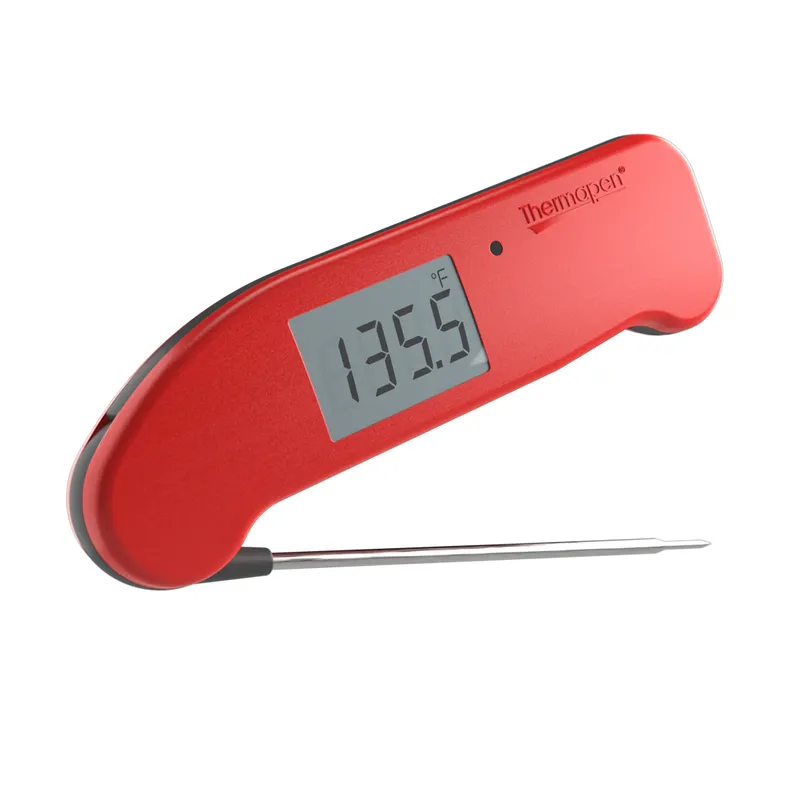
 Official manufacturer image
Our picks
Top picks
Official manufacturer image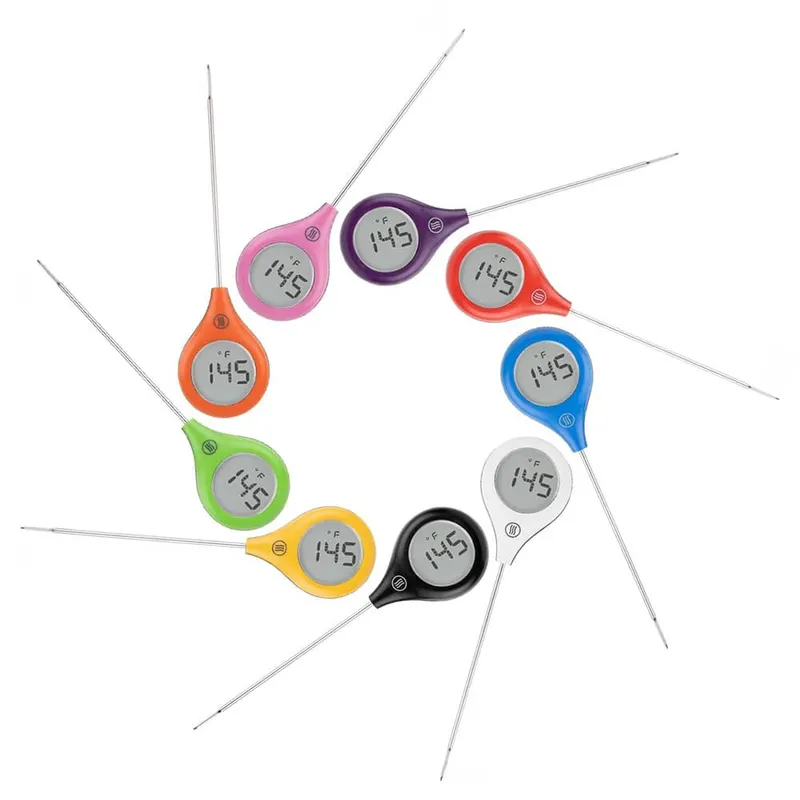 Official manufacturer image
ThermoWorks ThermoPop 2
Check price on Amazon.ca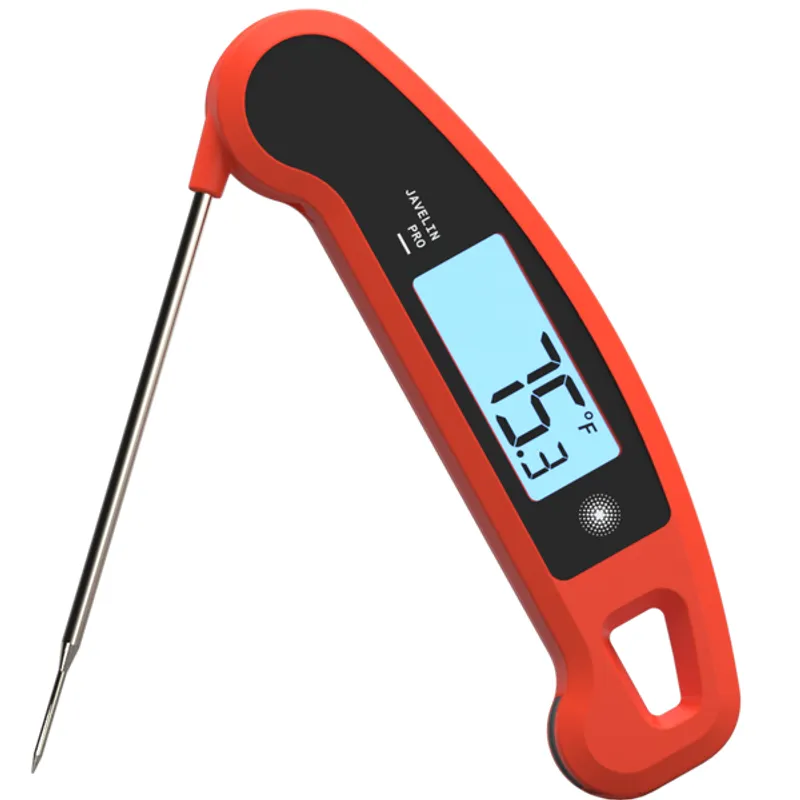 Official manufacturer image
Lavatools Javelin PRO Classic
Check price on Amazon.caCommon questions
Questions before you buy
Can I use a meat thermometer for chocolate?
Yes, if its stated range and accuracy cover the temperatures in your recipe and its sensing area can sit fully in the chocolate without touching the bowl.
Is an instant-read or candy thermometer better for chocolate?
Instant-read models are convenient for spot checks; clip-on candy or probe thermometers are easier for continuous monitoring. Low-range accuracy matters more than the label.
Why should the probe not touch the bowl?
The bowl can be warmer than the chocolate and produce a misleading reading. Hold the sensor in the mixture while stirring gently for a representative measurement.
Do I need different temperatures for different chocolate?
Yes. Dark, milk and white chocolate are commonly handled differently, and formulation also matters. Follow the recipe or chocolate manufacturer's specific tempering instructions.