
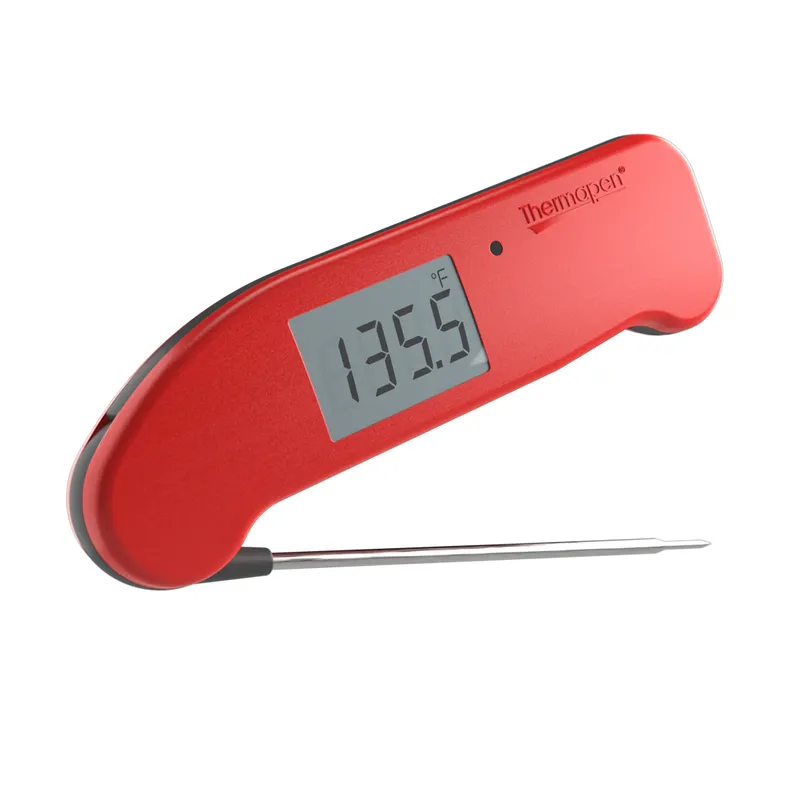
 Official manufacturer image
Our picks
Top picks
Official manufacturer image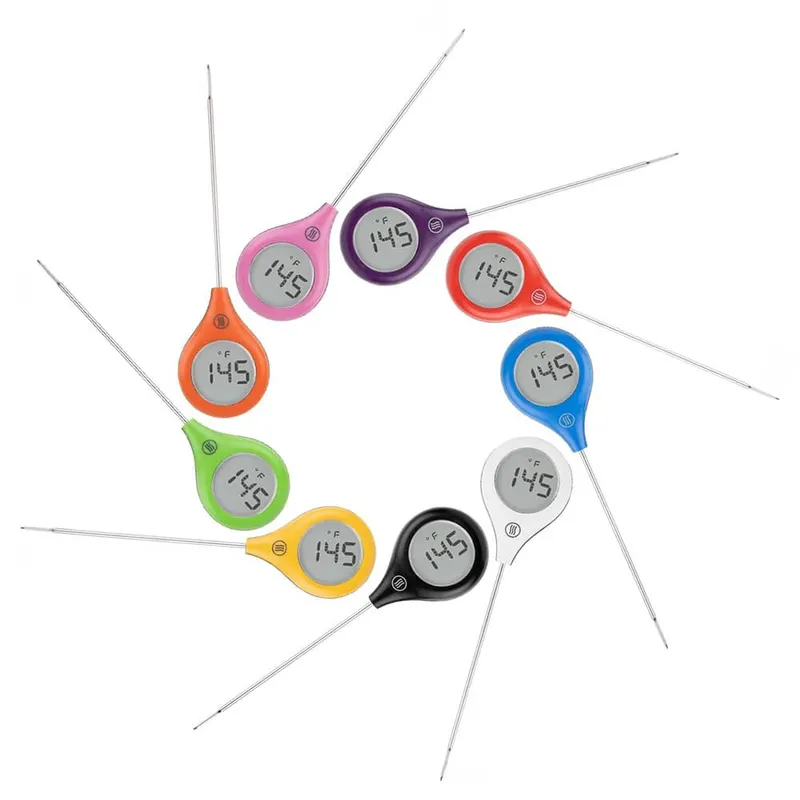 Official manufacturer image
ThermoWorks ThermoPop 2
Check price on Amazon.ca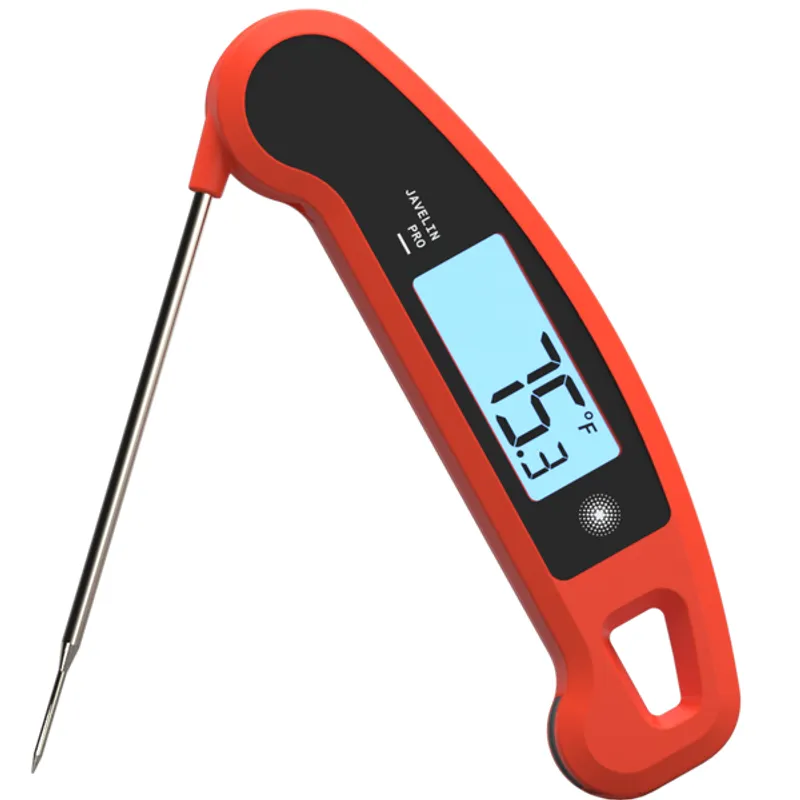 Official manufacturer image
Lavatools Javelin PRO Classic
Check price on Amazon.caCommon questions
Questions before you buy
What is the food temperature danger zone in Canada?
Canadian public-health guidance identifies 4°C to 60°C as the danger zone. Keep cold foods cold and hot foods hot, and follow current limits for storage and service time.
What thermometer should I use to check the danger zone?
Use a calibrated food probe for internal food temperature and an appliance thermometer for a refrigerator or holding unit. One instrument may not suit both jobs.
Can an infrared thermometer check whether food is safe?
It measures surface temperature, not the centre. Use a probe thermometer when internal temperature determines cooking or reheating safety.
Where should I probe food during cooling?
Check the thickest or slowest-cooling section and avoid touching the container. For a large batch, sample more than one location with a cleaned probe.