
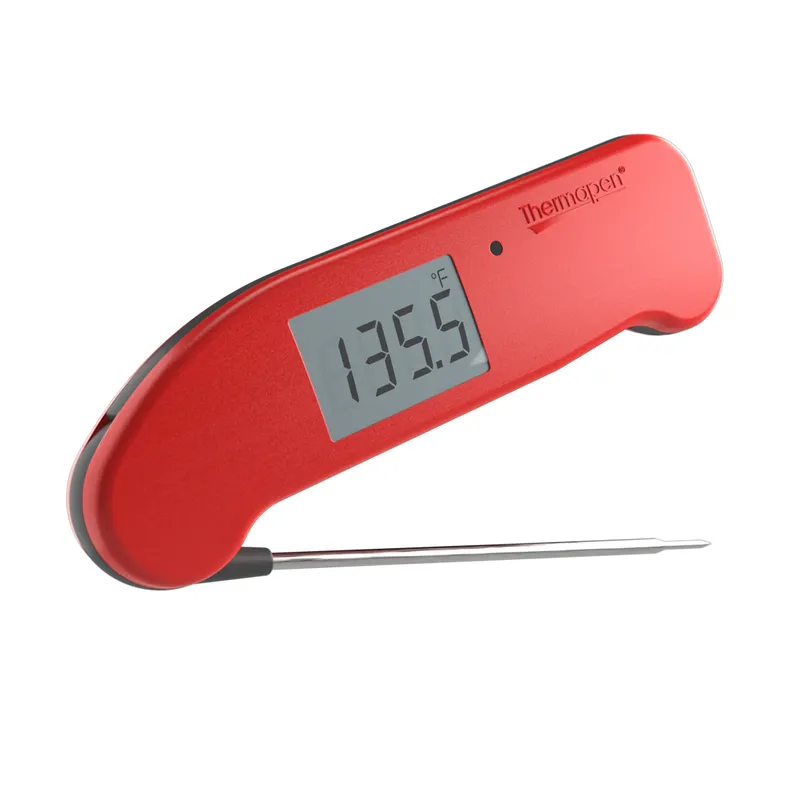
 Official manufacturer image
Our picks
Top picks
Official manufacturer image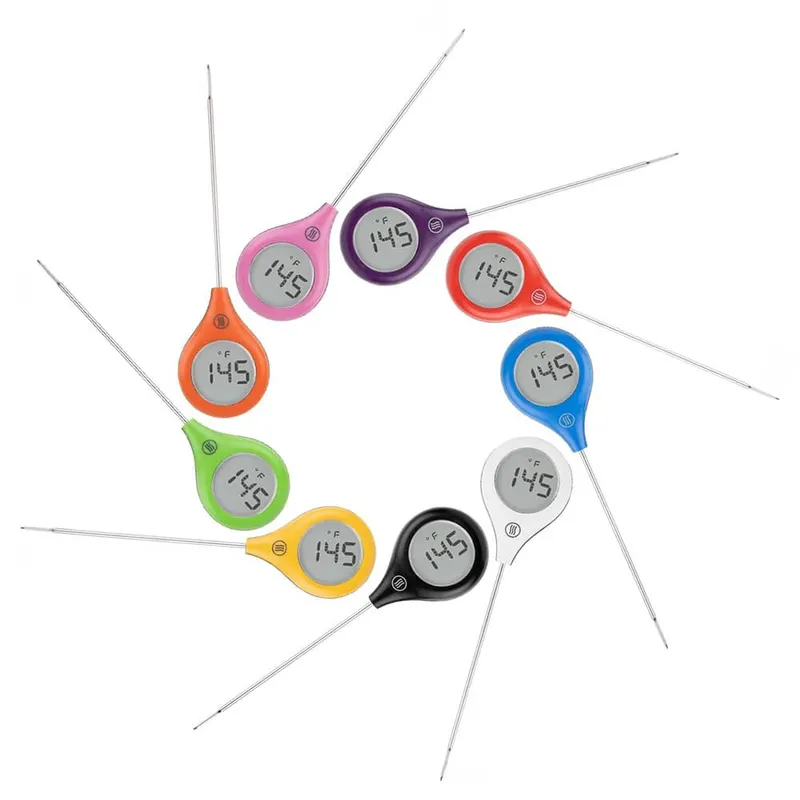 Official manufacturer image
ThermoWorks ThermoPop 2
Check price on Amazon.ca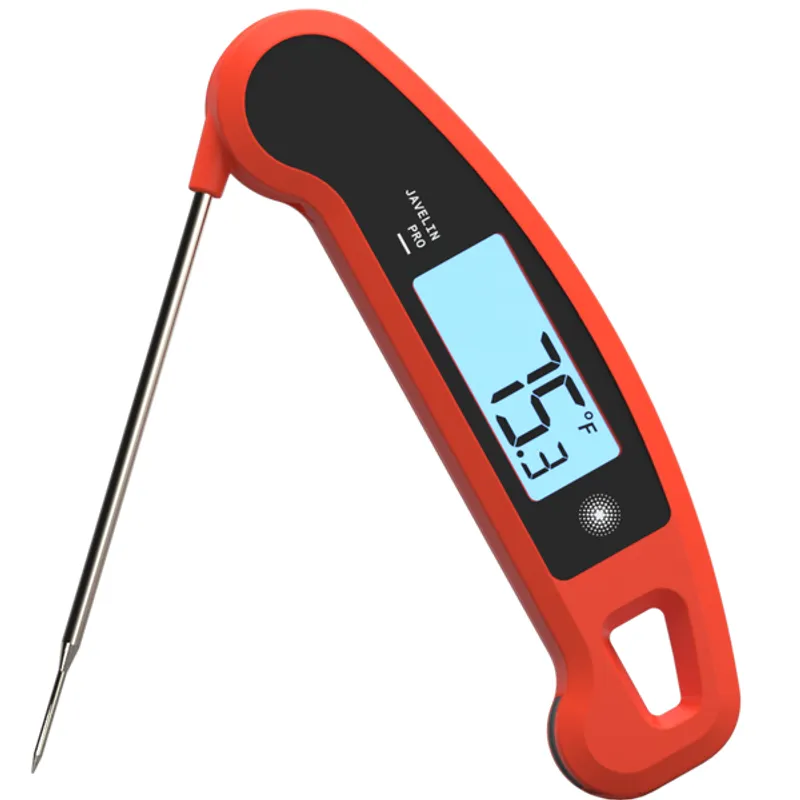 Official manufacturer image
Lavatools Javelin PRO Classic
Check price on Amazon.caMeat thermometers
Best picks
Best Cooking Oil Thermometers for Frying in Canada
ThermoWorks ChefAlarm is the top pick when you want a digital display and high/low alarms. Taylor 3505 is a straightforward dial option, while CDN IRL500 suits deeper pots with its long stem.
Read more →Meat thermometers
Buying guide
Can You Use a Meat Thermometer for Cooking Oil?
Yes, if its stated range covers the oil temperature and the probe can be positioned safely. A clip-on deep-fry thermometer is usually easier for continuous monitoring.
Can a Meat Thermometer Be Used for Cooking Oil?
A meat thermometer can be used for oil only when its stated temperature range and immersion instructions allow it. For continuous frying, a clip-on deep-fry thermometer is usually the safer, steadier fit.
Can I Use a Meat Thermometer for Oil?
Yes—provided the manufacturer rates the probe for the oil temperature you need and you keep the sensing area submerged without touching the pot. Many leave-in meat probes are not designed for this job.
Common questions
Questions before you buy
Can you use a meat thermometer for cooking oil?
Yes if its published range covers the required oil temperature and its probe is safe for immersion. Do not submerge the display or connector.
Should an oil thermometer touch the pan?
No. The base and sides can be hotter than the oil, producing an unrepresentative reading.
Is infrared accurate for cooking oil?
It measures the surface only. A contact probe suspended below the surface is generally more representative of the oil around the food.
What features matter on a frying thermometer?
Look for an appropriate range, clear scale or display, secure pot clip, long probe and cleaning instructions suited to oil.