
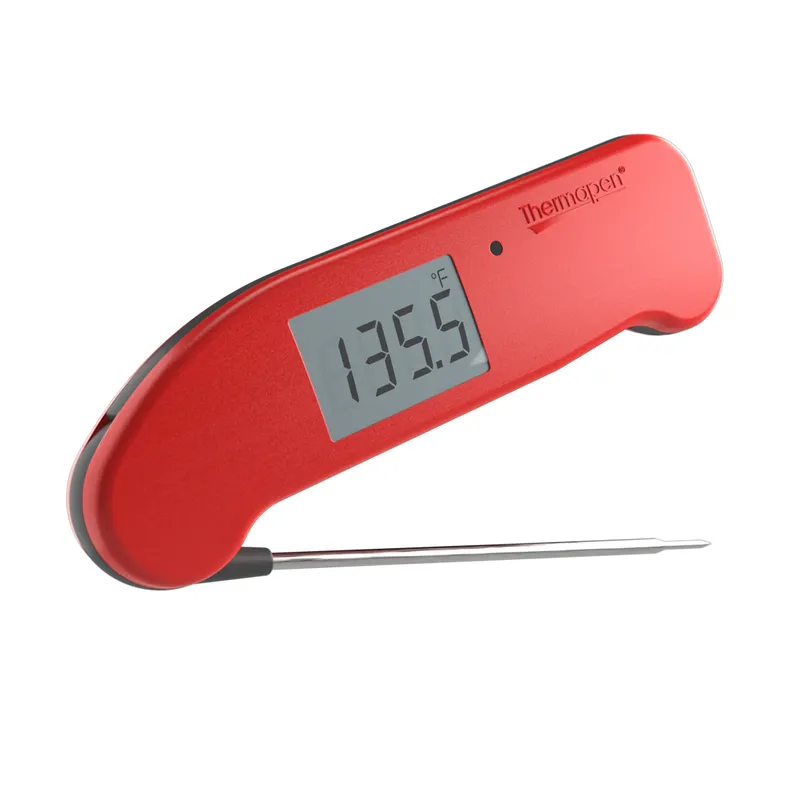
 Official manufacturer image
Our picks
Top picks
Official manufacturer image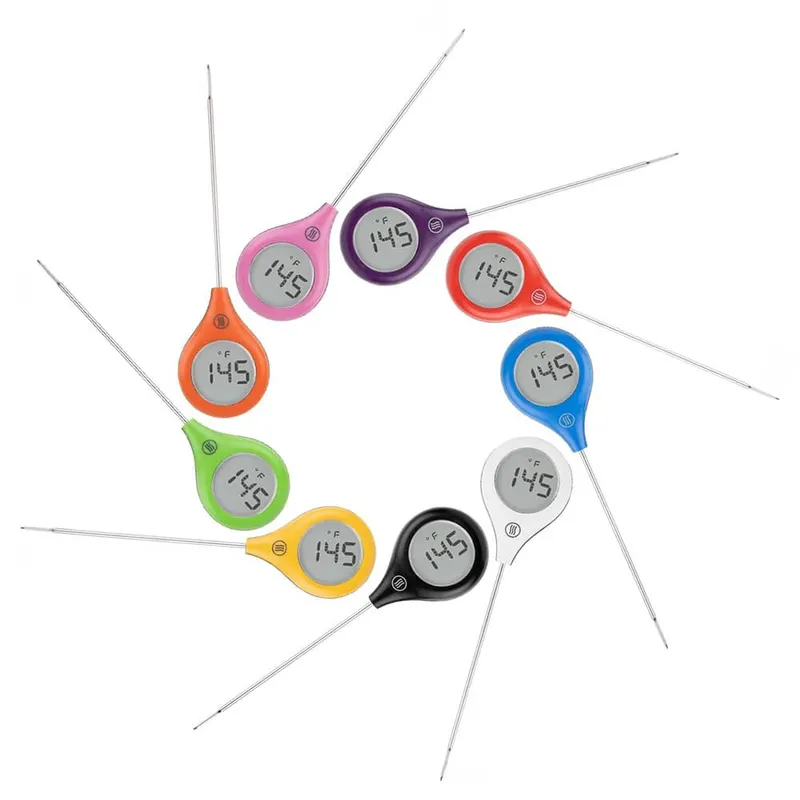 Official manufacturer image
ThermoWorks ThermoPop 2
Check price on Amazon.ca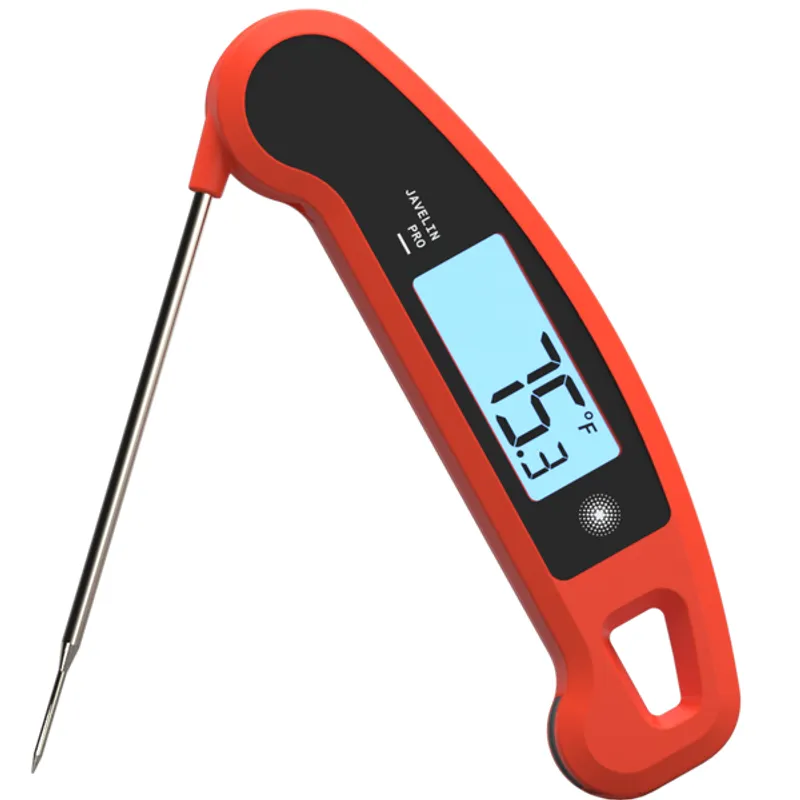 Official manufacturer image
Lavatools Javelin PRO Classic
Check price on Amazon.caMeat thermometers
More specific
Common questions
Questions before you buy
What makes a thermometer food safe?
It should use food-contact materials, have a suitable range and come with cleaning instructions. Safe practice also requires washing the probe and avoiding cross-contamination.
Can I use a medical thermometer for cooking?
It is better to use an instrument designed for food, with the required range, probe shape and cleaning guidance. Medical models are built for a different temperature range and use case.
How should I clean a food thermometer?
Health Canada advises cleaning it in warm, soapy water before each use. Keep the electronic body and connector within the manufacturer's water-resistance limits.
How do I know a food thermometer is accurate?
Choose a model with a published tolerance and follow its specified calibration check. Replace or service an instrument that fails the check or has a damaged probe.