
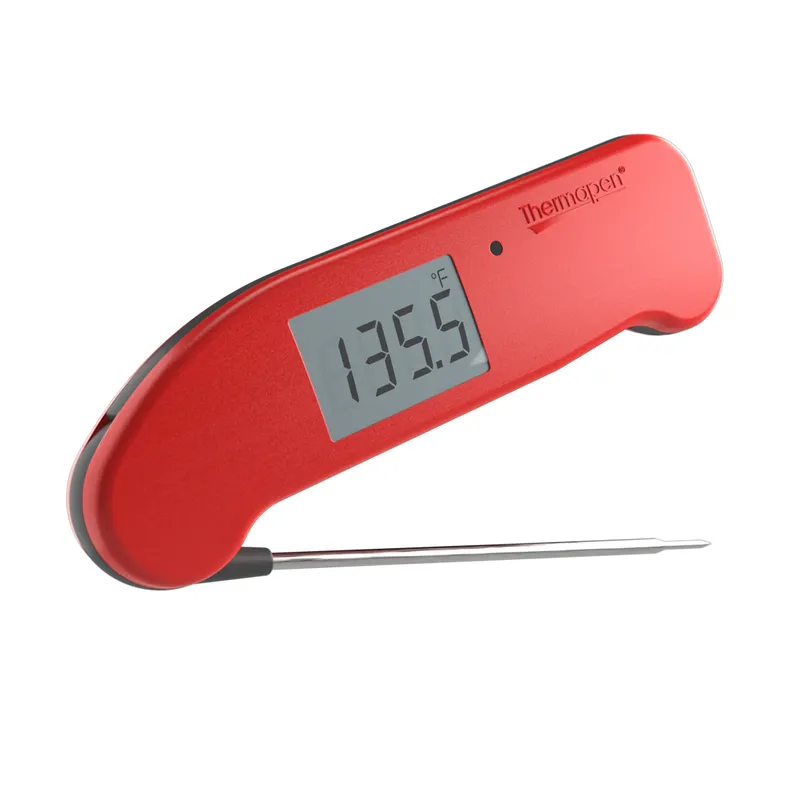
 Official manufacturer image
Our picks
Top picks
Official manufacturer image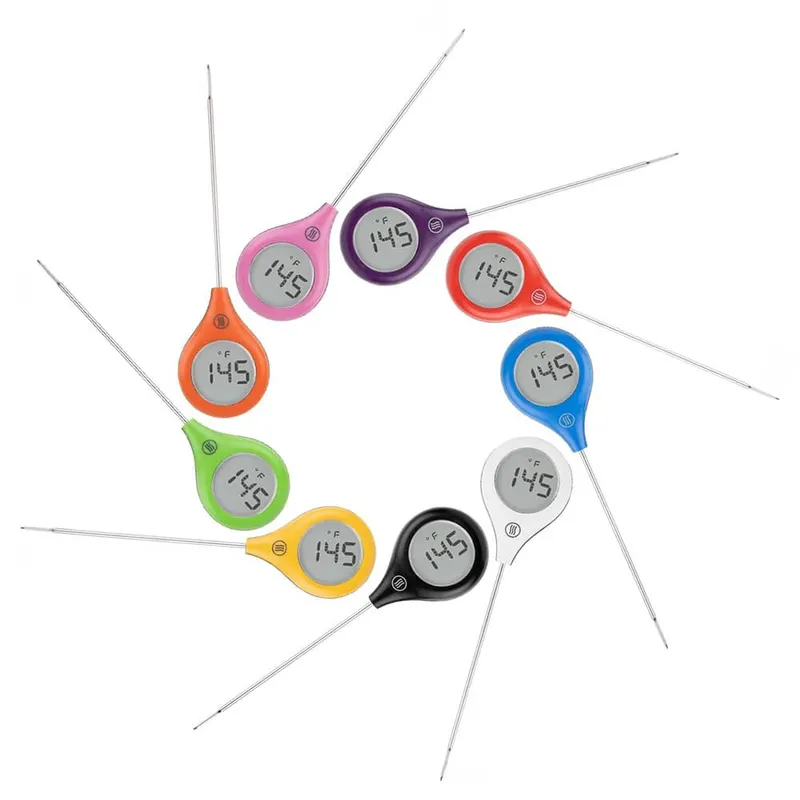 Official manufacturer image
ThermoWorks ThermoPop 2
Check price on Amazon.ca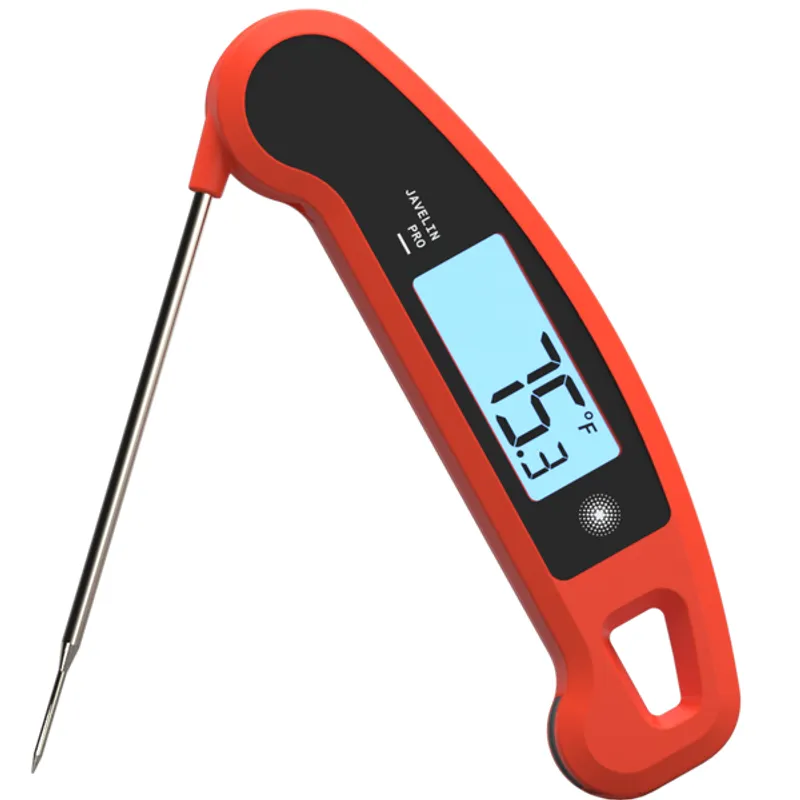 Official manufacturer image
Lavatools Javelin PRO Classic
Check price on Amazon.caCommon questions
Questions before you buy
How do you use a meat thermometer in a burger?
Insert a clean probe through the side so the sensing area reaches the centre. Check burgers separately because thickness and cooking can vary.
How do you check a large roast?
Probe the thickest section and sample more than one location, avoiding bone and large seams of fat. Use the coldest relevant reading.
Does probe direction matter?
Yes. The direction should let the sensing area sit fully inside the centre of the food rather than passing through into hot air or cookware.
When should the thermometer be cleaned during cooking?
Clean it before use and after contact with undercooked food, particularly before checking cooked items or another food.