
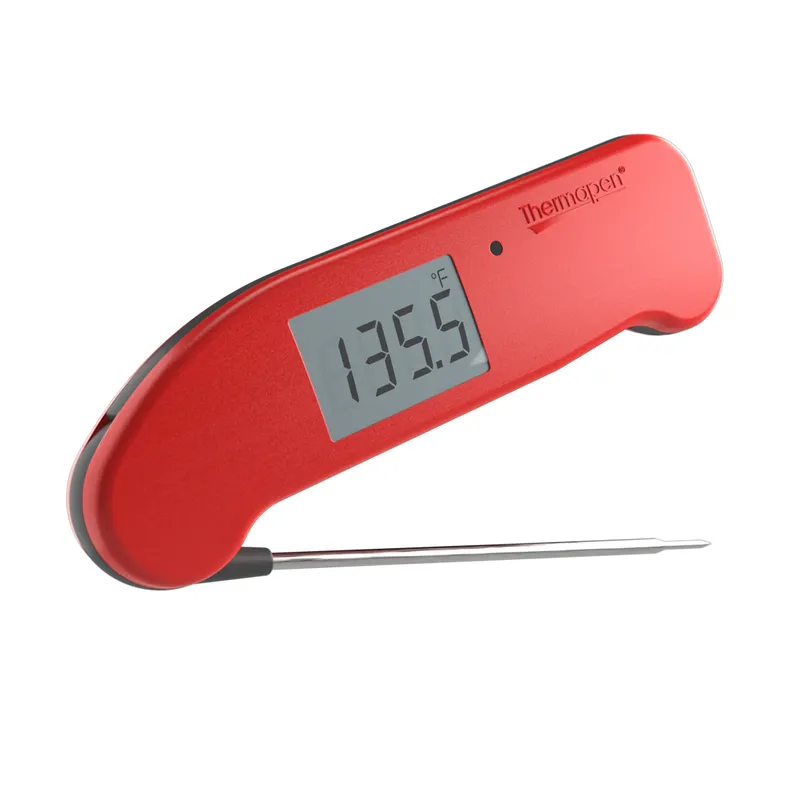
 Official manufacturer image
Our picks
Top picks
Official manufacturer image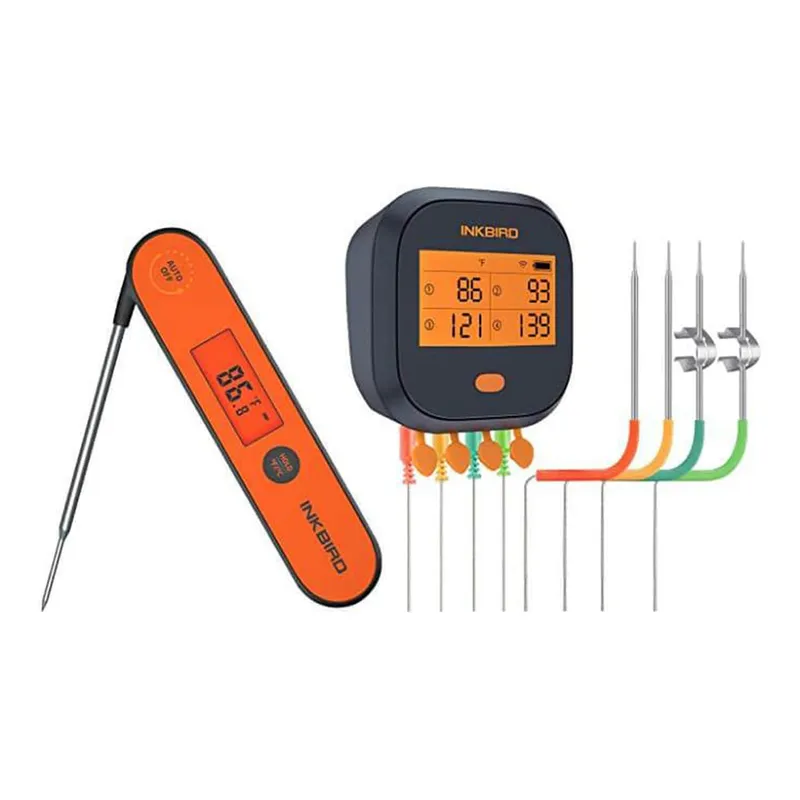 Official manufacturer image
INKBIRD IBBQ-4T
Check price on Amazon AU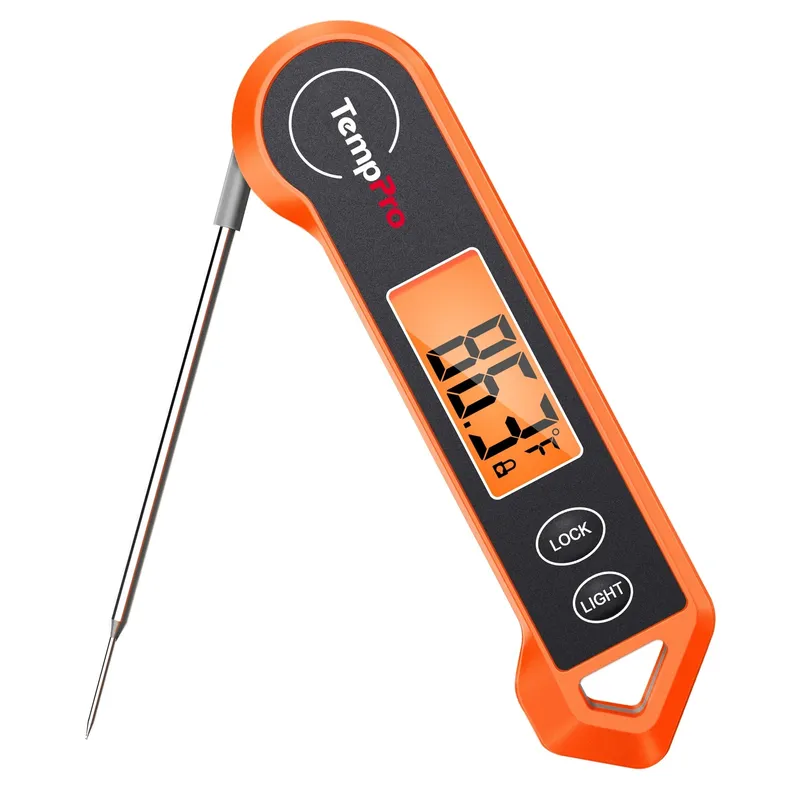 Official manufacturer image
ThermoPro TP19H
Check price on Amazon AUCommon questions
Questions before you buy
How do you calibrate a meat thermometer with ice water?
Use a well-stirred slurry of crushed ice and water, immerse the probe's sensing area without touching the container, and wait for a stable reading. Adjust to 0°C only if the manual confirms that your thermometer is user-calibratable.
Can every digital food thermometer be calibrated?
No. Some models allow an offset while others only permit an accuracy check; follow the instructions for the exact model rather than forcing an adjustment.
Why can a boiling-water calibration be misleading?
Water does not always boil at exactly 100°C because elevation and air pressure affect the boiling point. An ice-point check is usually the simpler household reference.
How often should a cooking thermometer be checked?
Check it when it is new, after a drop or temperature shock, and whenever readings seem implausible. Food-service procedures may require more frequent checks.
What should I do if the thermometer cannot be adjusted?
If the difference is small and stable, note the offset; if it is outside the maker's tolerance or changes between checks, replace the thermometer.