
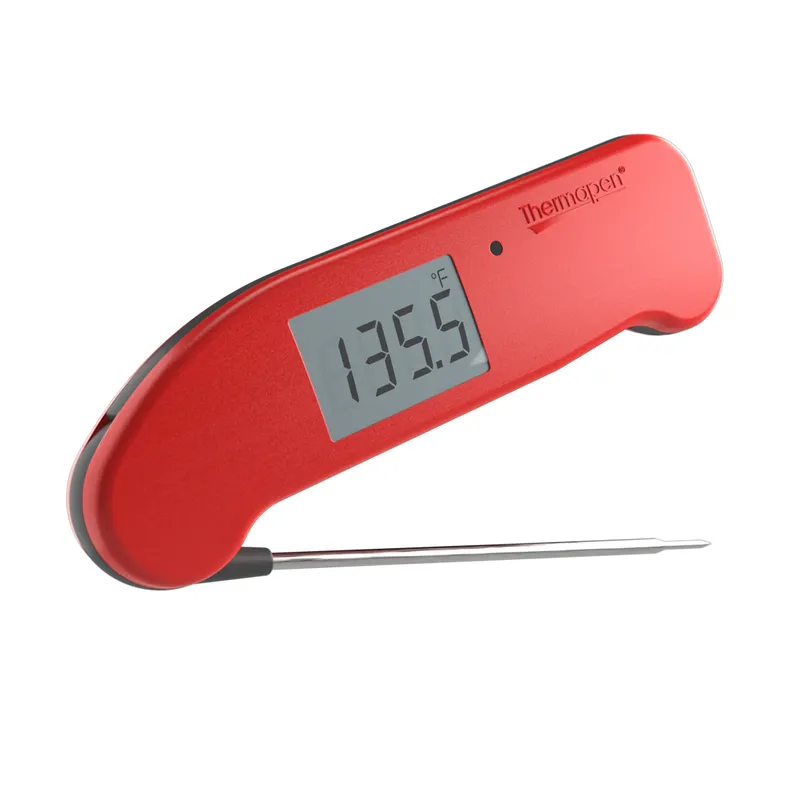
 Official manufacturer image
Our picks
Top picks
Official manufacturer image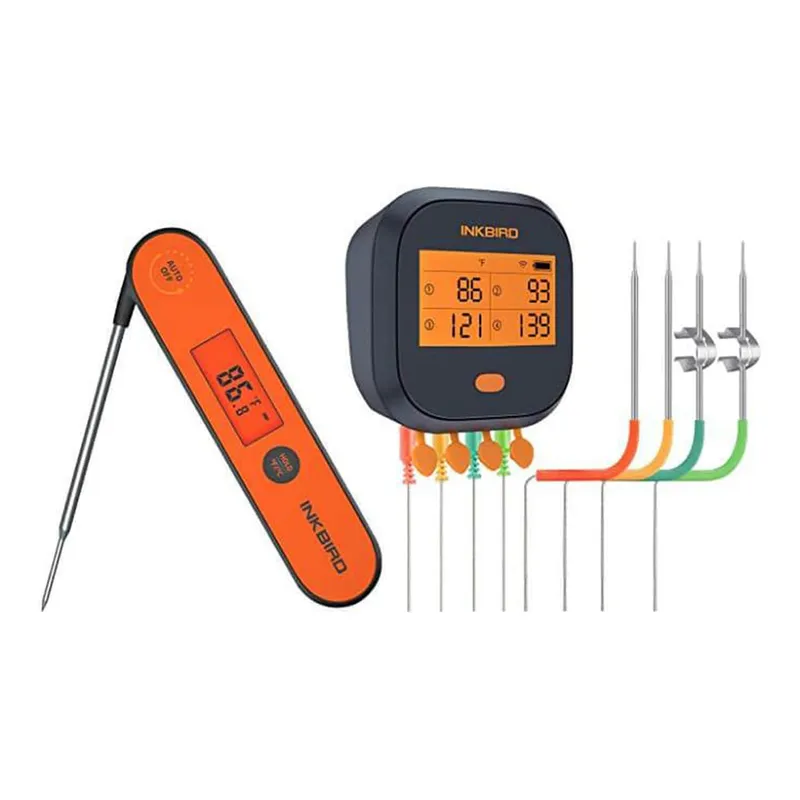 Official manufacturer image
INKBIRD IBBQ-4T
Check price on Amazon AU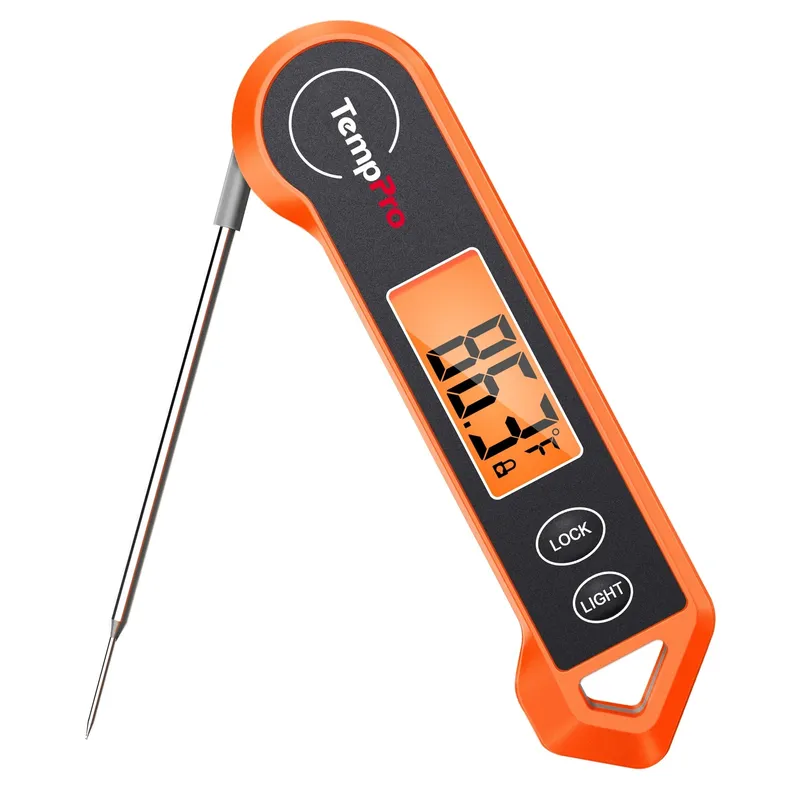 Official manufacturer image
ThermoPro TP19H
Check price on Amazon AUCommon questions
Questions before you buy
What are the main uses of a meat thermometer?
It can check the centre of meat and poultry, monitor a roast during cooking, verify reheated food and help assess cooling. The exact use must stay within the model's temperature and immersion limits.
What is an infrared food thermometer used for?
It quickly measures surface temperature, including packaged or plated food. It cannot reveal the core temperature, so FSANZ recommends a probe when the inside matters.
Can the same thermometer be used for meat and oil?
Only if its documented range, probe material and immersion instructions cover hot oil. Many meat-focused models have cables, handles or sensors with lower heat limits.
What is a leave-in thermometer used for?
It follows food or oven temperature during a cook and can trigger an alarm near a target. Confirm that the probe and cable are rated for the oven, barbecue or smoker.
Can a cooking thermometer check a refrigerator?
A refrigerator thermometer is designed to monitor air over time. A probe can check actual chilled food, but it does not replace continuous appliance monitoring.