
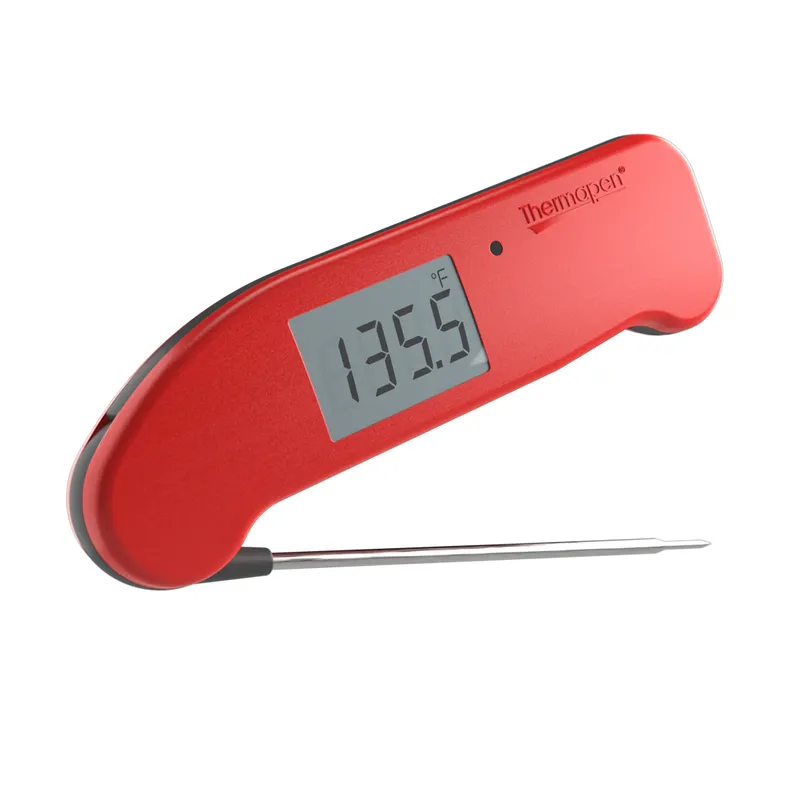
 Official manufacturer image
Our picks
Top picks
Official manufacturer image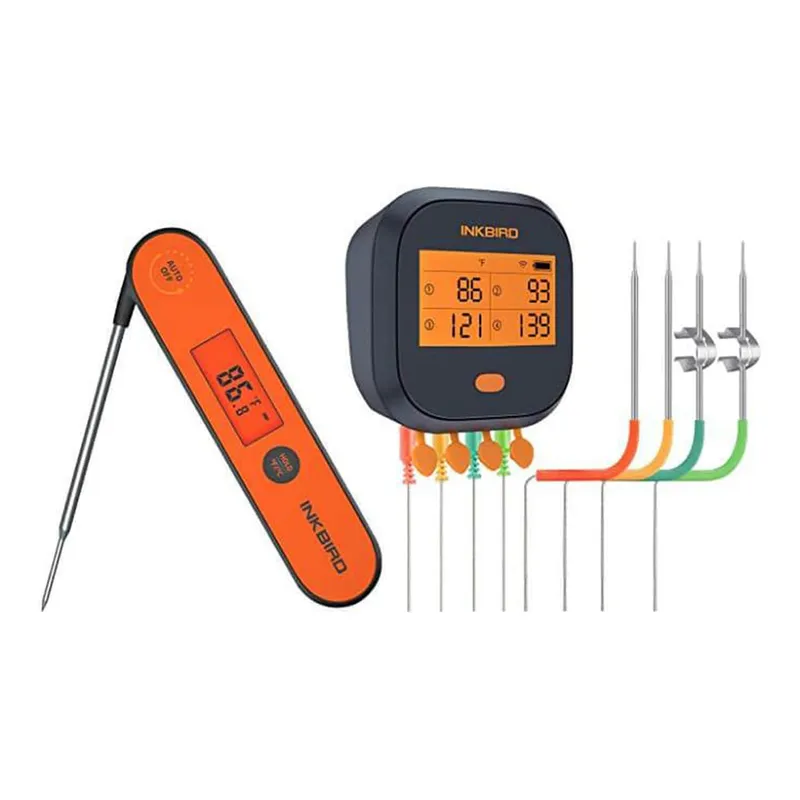 Official manufacturer image
INKBIRD IBBQ-4T
Check price on Amazon AU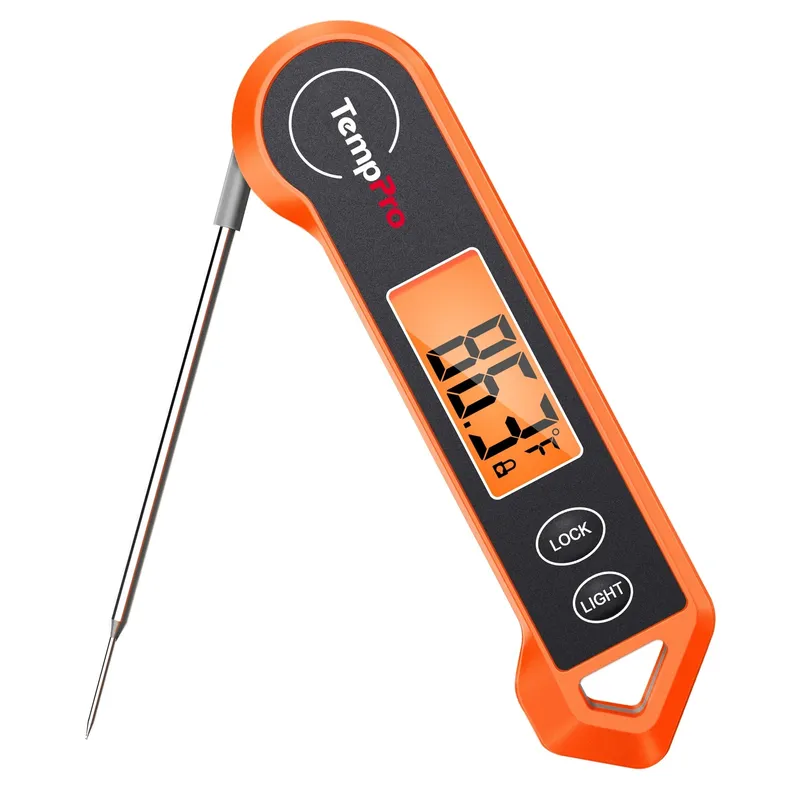 Official manufacturer image
ThermoPro TP19H
Check price on Amazon AUCommon questions
Questions before you buy
Can I use a meat thermometer for water?
Yes for a spot reading if the temperature is within the probe's range and you immerse only the approved sensing section. Do not submerge the housing unless the manufacturer allows it.
Should the probe touch the bottom of the saucepan?
No. Keep the sensing area suspended in the liquid because contact with the hot pan can produce a misleading reading.
Is waterproof the same as suitable for sous vide?
Not necessarily. A cleaning-related waterproof rating does not by itself approve prolonged immersion or cooking use; check the product instructions.
What thermometer works for sugar syrup and frying oil?
Choose a candy or deep-fry thermometer with an upper range that covers the task and a stable clip that keeps the sensor away from the pan.
Why does the temperature vary across the water?
Heat is not always distributed evenly, particularly before boiling. Stir carefully, then take the reading away from the base and sides.