



 Official manufacturer image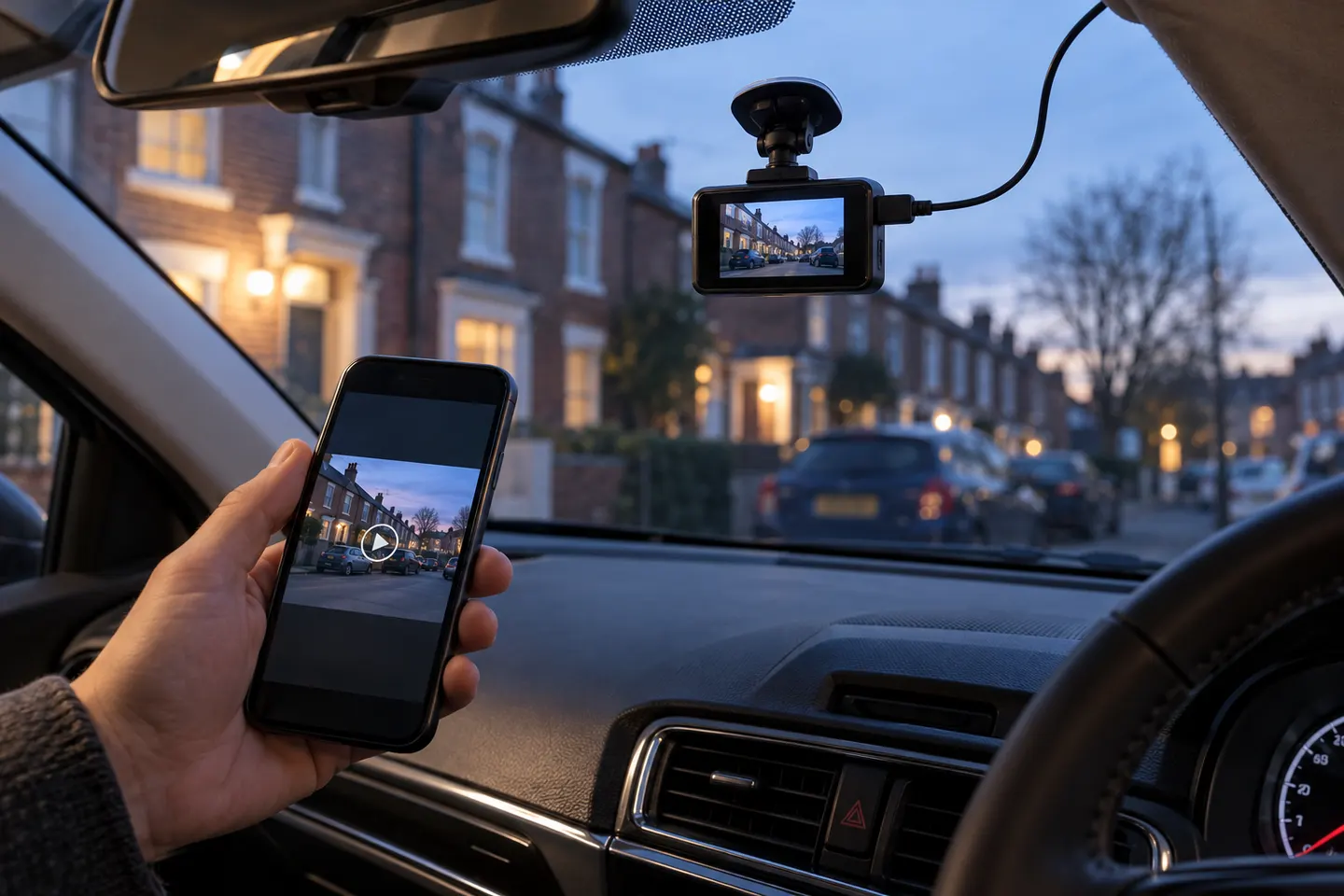
Our picks
Top picks
Official manufacturer image Official manufacturer image
Garmin Dash Cam Mini 3
Check price on Amazon.ca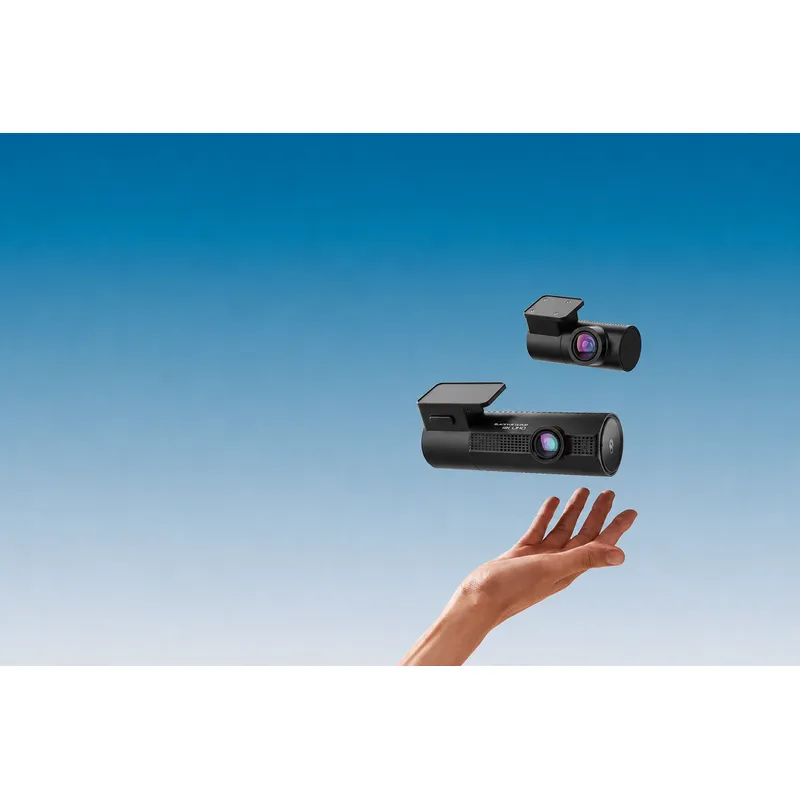 Official manufacturer image
BlackVue DR970X-2CH LTE Plus II
Check price on Amazon.caCommon questions
Questions before you buy
Can a wireless dash cam work without a power cable?
Only for as long as its internal battery permits, if it has one. Normal continuous recording requires vehicle power, USB power or a dedicated battery system.
Does Wi-Fi mean I can watch my car from anywhere?
No. Local Wi-Fi usually links the camera to a nearby phone. Remote viewing needs cloud support and an internet connection through LTE or a hotspot.
Are wireless rear dash cams truly cable-free?
Usually not. The rear unit commonly needs a power or video cable even when clips transfer wirelessly to a phone.
Will a wireless car camera record if my phone is absent?
Most dash cams record to their memory card independently once powered. The phone is generally needed for setup, viewing or cloud functions, depending on the model.