



 Official manufacturer image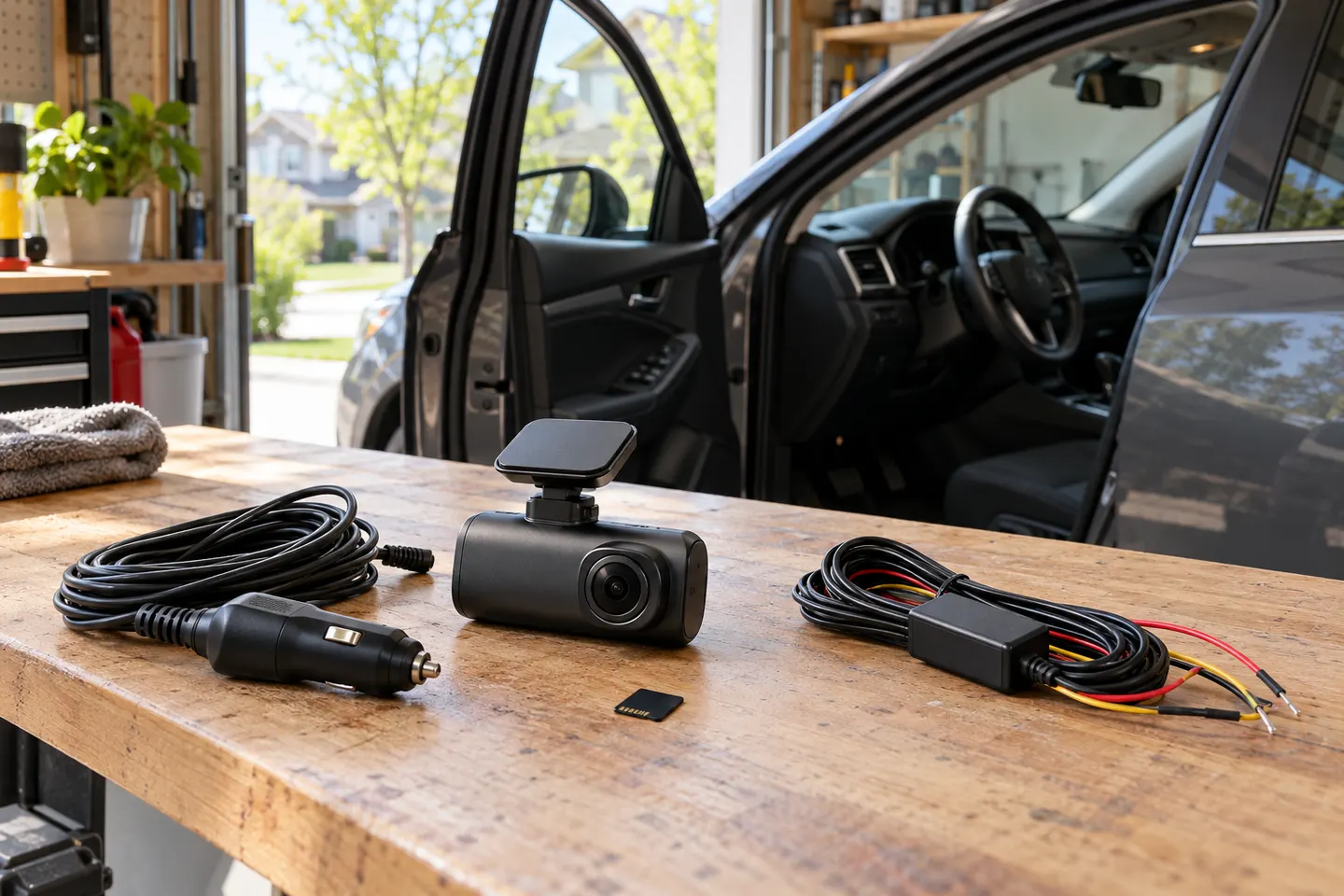
Our picks
Top picks
Official manufacturer image Official manufacturer image
Garmin Dash Cam Mini 3
Check price on Amazon.ca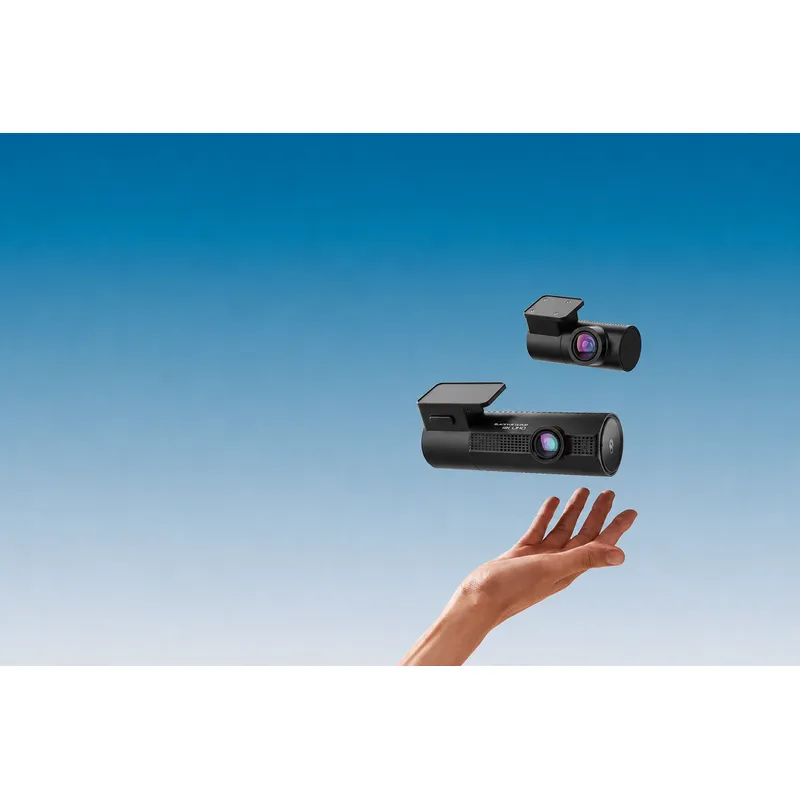 Official manufacturer image
BlackVue DR970X-2CH LTE Plus II
Check price on Amazon.caCommon questions
Questions before you buy
Are dash cams legal in Canada?
Dash cams are generally available for lawful personal use, but installation, distracted-driving and privacy rules can vary by province and situation. Mount the camera without obstructing your view and review the rules where you drive.
Can dash cam footage be used after a collision in Canada?
Footage may help document what happened, but relevance and admissibility depend on the circumstances. Preserve the original file and provide it to your insurer, lawyer or police when requested.
Will a dash cam work in a Canadian winter?
Use the operating-temperature range published for the exact model and avoid assuming every battery-based camera tolerates deep cold. A secure power connection and endurance-rated storage also support reliable recording.
Should I buy a front-only or dual dash cam?
Front-only is simpler and covers the direction of travel. A dual system also records behind the vehicle, but adds wiring, storage demand and installation work.