



 Official manufacturer image
Our picks
Top picks
Official manufacturer image Official manufacturer image
Garmin Dash Cam Mini 3
Check price on Amazon.ca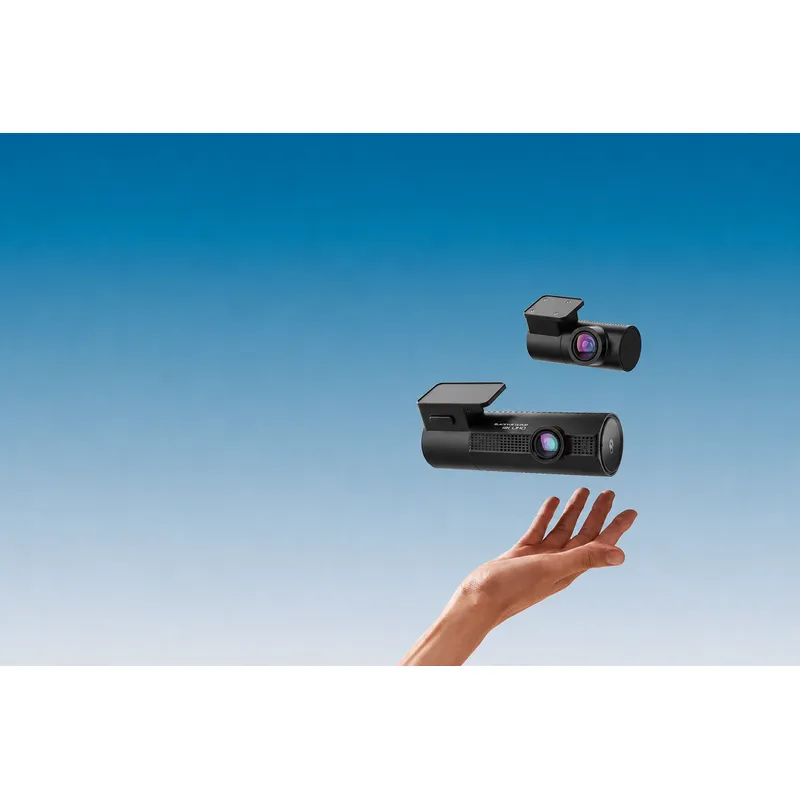 Official manufacturer image
BlackVue DR970X-2CH LTE Plus II
Check price on Amazon.caCommon questions
Questions before you buy
What are the main types of dash cam?
The main groups are front-only, front-and-rear, cabin-facing, and three- or four-channel systems. There are also mirror, motorcycle and cellular-connected designs.
Which dash cam type is best for everyday driving?
A compact front camera is enough for many drivers. Choose front-and-rear when rear-impact context matters, or a cabin channel for commercial passenger use.
What is the difference between Wi-Fi and cellular dash cams?
Wi-Fi normally connects the camera directly to a nearby phone. Cellular service can support remote features away from the car, often with extra hardware or a subscription.
Are mirror dash cams harder to install?
They can require a long rear-camera cable and careful mounting over the existing mirror. Check fit, visibility and whether the rear lens goes inside or outside the vehicle.