Gearjury may earn a commission from qualifying retailer purchases. Our selection is based on cited specifications and suitability.
Best picks
Best Motorcycle Dash Cams for Front and Rear Recording
INNOVV K7 is our top choice for permanent dual-camera recording with 2K at both ends. INNOVV K6 is easier to power, Thinkware M1 is a proven weather-rated alternative, and INNOVV RC6 adds blind-spot alerts.
GGearjury editorial team · Updated October 15, 2026· 8 min
Quick answer
INNOVV K7 offers the strongest verified recording package here with dual 2K cameras, stabilization, GPS and an IP67 claim. Pick K6 when simpler USB power matters, Thinkware M1 for a compact dual 1080p system, RC6 when blind-spot detection is part of the brief, or INNOVV H5 when a helmet-mounted perspective is essential.
It can preserve a continuous front or rear record without requiring you to start a handheld action camera. Its value depends on reliable power, correct mounting and usable footage.
Should a motorcycle dash cam have front and rear cameras?
Dual cameras cover more of an incident, but add wiring and mounting work. A single helmet camera instead follows your head and may miss what happens behind.
Can a motorcycle dash cam handle rain?
Choose a system whose exposed camera modules and connectors carry a suitable manufacturer weather rating. Weather resistance does not make every recorder or open connector waterproof.
How is a motorcycle dash cam powered?
Permanent systems usually connect to switched motorcycle power; some support USB or an internal battery. Follow the supplied wiring diagram and fuse instructions.
Can I use a car dash cam on a motorcycle?
A cabin camera may not tolerate rain, vibration or exposed connectors. A motorcycle-specific system is designed around those installation conditions.
A front and rear dash cam records both directions and can provide context a single lens misses. Check the rear-camera cable route and simultaneous recording resolution before buying.
VIOFO A229 Pro 2CH is our broad recommendation for detailed front and rear coverage. Garmin Mini 3 favors discretion, while Garmin X310 is the sharper single-camera choice.
The A329S serves buyers seeking high-detail multichannel recording; A229 models cover more moderate dual-camera needs, while A119 Mini 2 is the compact front-only option.
Start with the coverage you need: front-only, front and rear, cabin or a wider multi-camera view. Then compare recording detail, storage and power requirements.
Your privacy
We use cookies and similar technologies. Necessary ones keep the site working. With your permission we also use statistics cookies (Google Analytics and Microsoft Clarity) to understand which guides help readers. You can accept all, reject all or choose. You can change your choice at any time from "Cookie settings" at the bottom of every page. Cookie policy




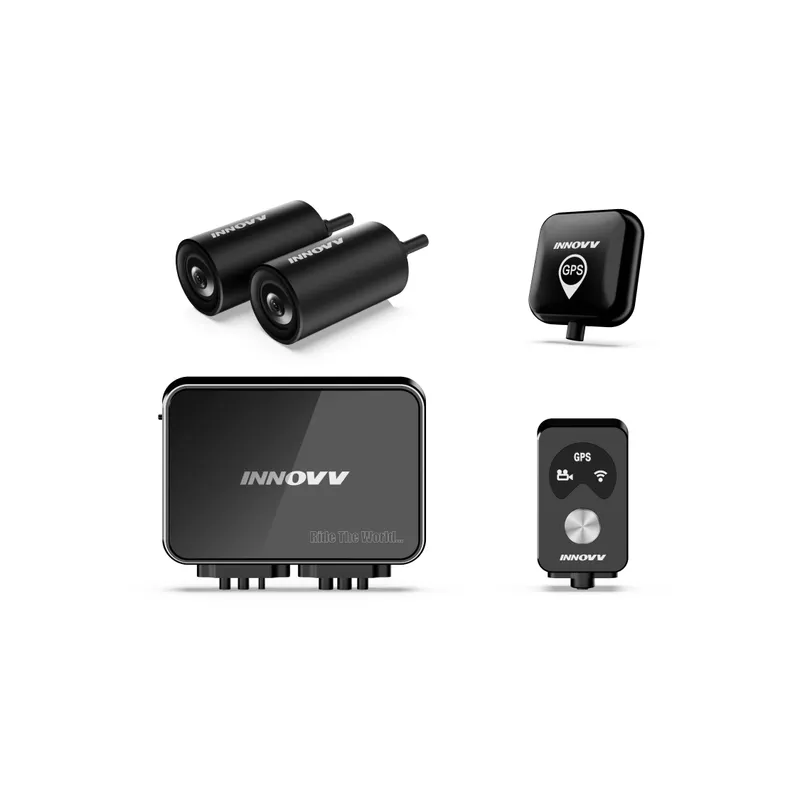 Official manufacturer image
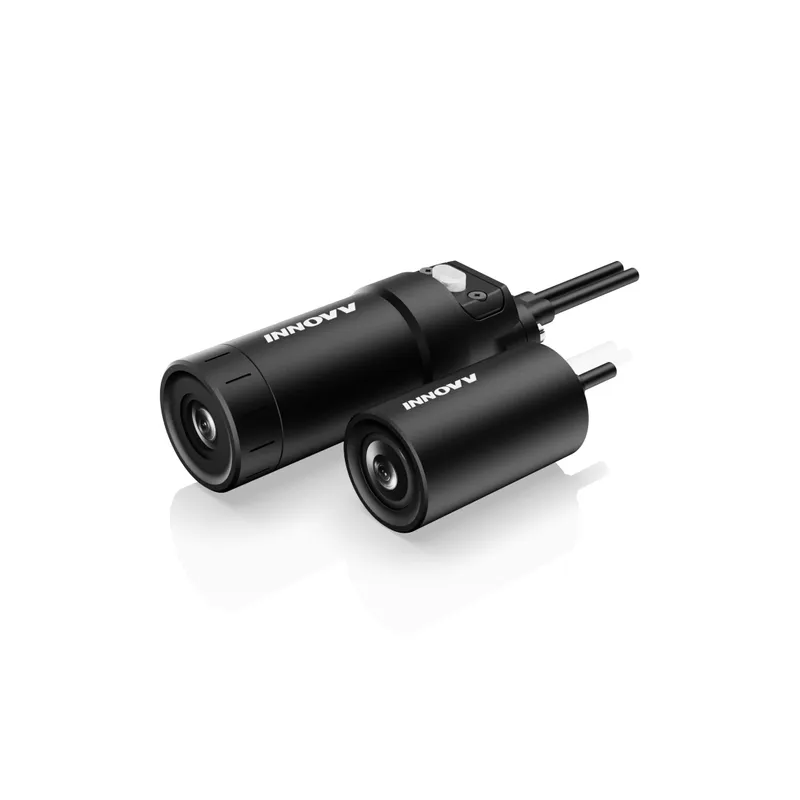 Official manufacturer image

