Gearjury may earn a commission when you buy through a retailer link. Rankings are based on cited evidence, not commission.
Best picks
Dash Cam Reviews: Five Distinct Options Compared
The VIOFO A329 2CH is our leading choice for high-detail front-and-rear recording. Garmin, Nexar, Thinkware and Nextbase offer stronger fits for compact design, connectivity or parking priorities.
GGearjury editorial team · Updated October 15, 2026· 8 min
Quick answer
VIOFO A329 2CH leads this dash cam review for detailed two-channel video and flexible storage. Choose Garmin Dash Cam X310 for a small 4K unit, Nexar Beam4 for connected cabin coverage, Thinkware U3000 for parking-focused hardware, or Nextbase 622GW for an established screen-led design.
VIOFO A329 2CH: Best for high-detail front and rear recording
Start with the views you need, then compare actual multi-channel resolution, low-light features, storage, power requirements and how footage is retrieved.
Is 4K automatically the best dash cam?
No. Resolution helps, but exposure, sensor performance, lens quality and positioning can matter just as much.
Should I choose cloud storage or a memory card?
Local storage works without a data service, while cloud features can protect or surface important clips remotely. Many connected cameras use both.
Do dash cam reviews include parking mode?
A useful review should distinguish basic impact recording from buffered capture, radar detection and remote alerts, as their power and connectivity needs differ.
VIOFO A229 Pro 2CH is our broad recommendation for detailed front and rear coverage. Garmin Mini 3 favors discretion, while Garmin X310 is the sharper single-camera choice.
A front and rear dash cam records both directions and can provide context a single lens misses. Check the rear-camera cable route and simultaneous recording resolution before buying.
The A329S serves buyers seeking high-detail multichannel recording; A229 models cover more moderate dual-camera needs, while A119 Mini 2 is the compact front-only option.
Start with the coverage you need: front-only, front and rear, cabin or a wider multi-camera view. Then compare recording detail, storage and power requirements.
Your privacy
We use cookies and similar technologies. Necessary ones keep the site working. With your permission we also use statistics cookies (Google Analytics and Microsoft Clarity) to understand which guides help readers. You can accept all, reject all or choose. You can change your choice at any time from "Cookie settings" at the bottom of every page. Cookie policy




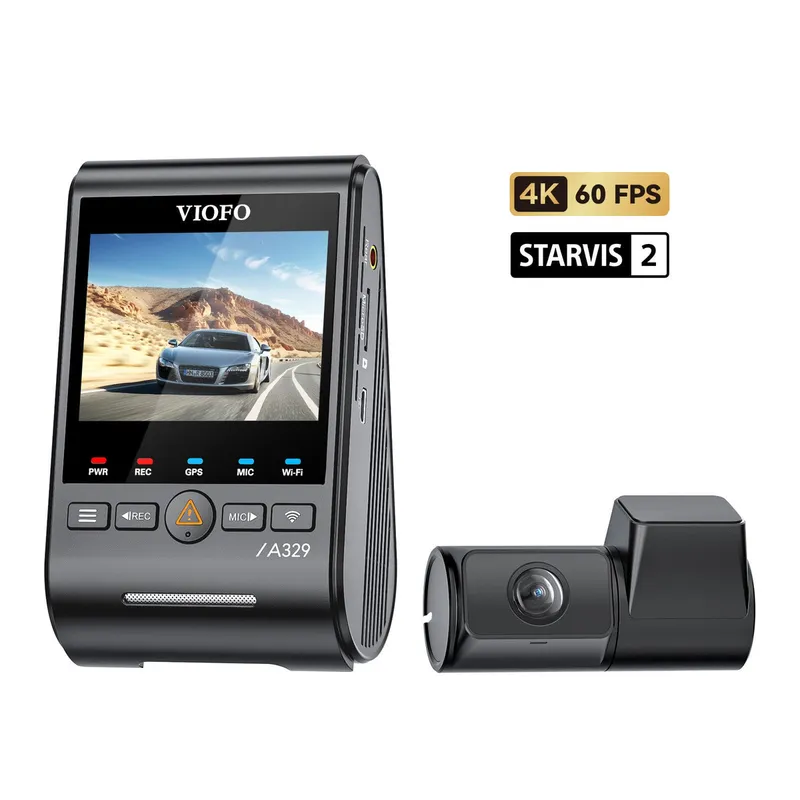 Official manufacturer image
 Official manufacturer image
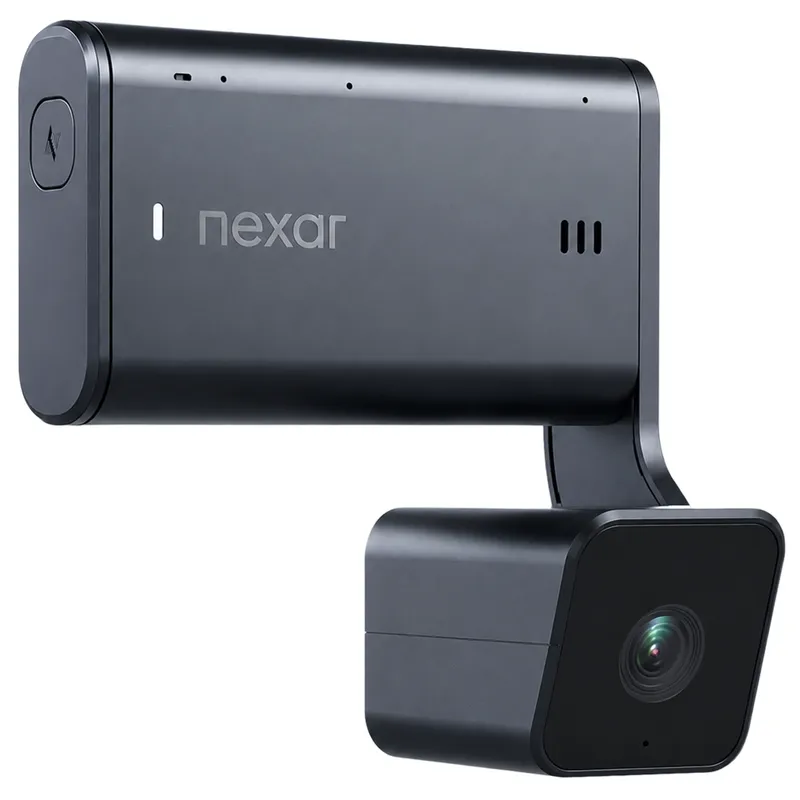 Official manufacturer image
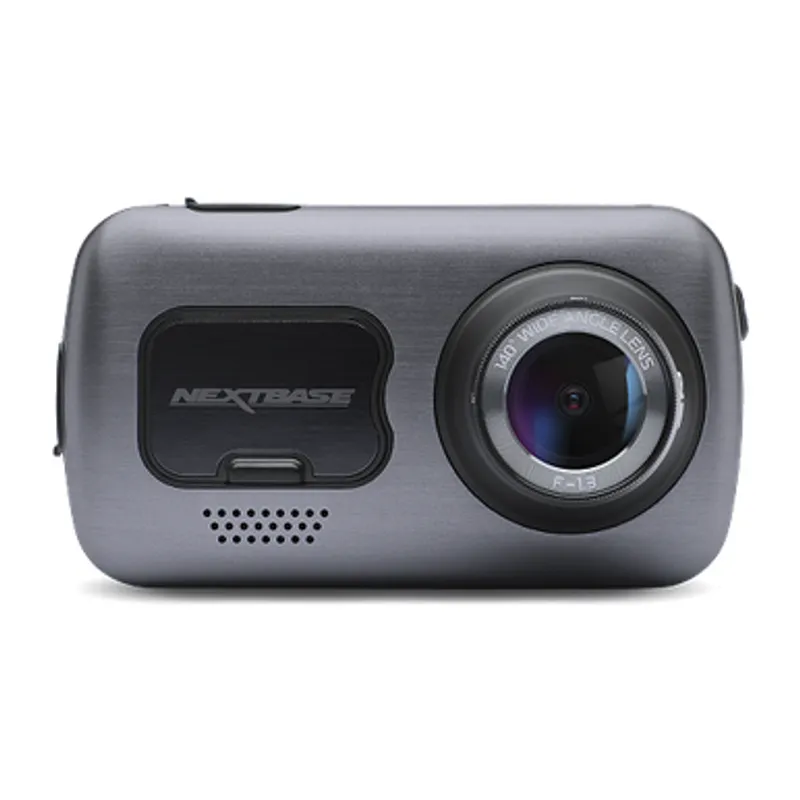 Official manufacturer image

