Gearjury may earn a commission when you buy through a retailer link. Our editorial choices remain independent.
Best picks
Best SD Cards for Dash Cam Recording and Rewriting
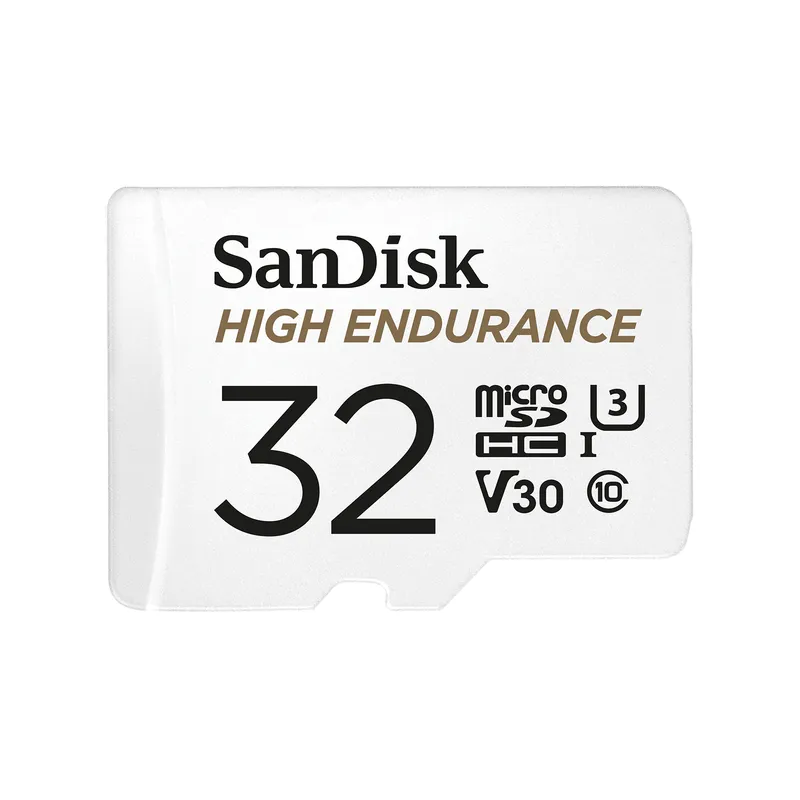
SanDisk High Endurance is our first choice for its dash-cam-specific design, broad capacity range, and clearly published specifications. Samsung PRO Endurance is a strong alternative, while Kingston High-Endurance suits cameras with more modest capacity limits.
GGearjury editorial team · Updated October 15, 2026· 8 min
Quick answer
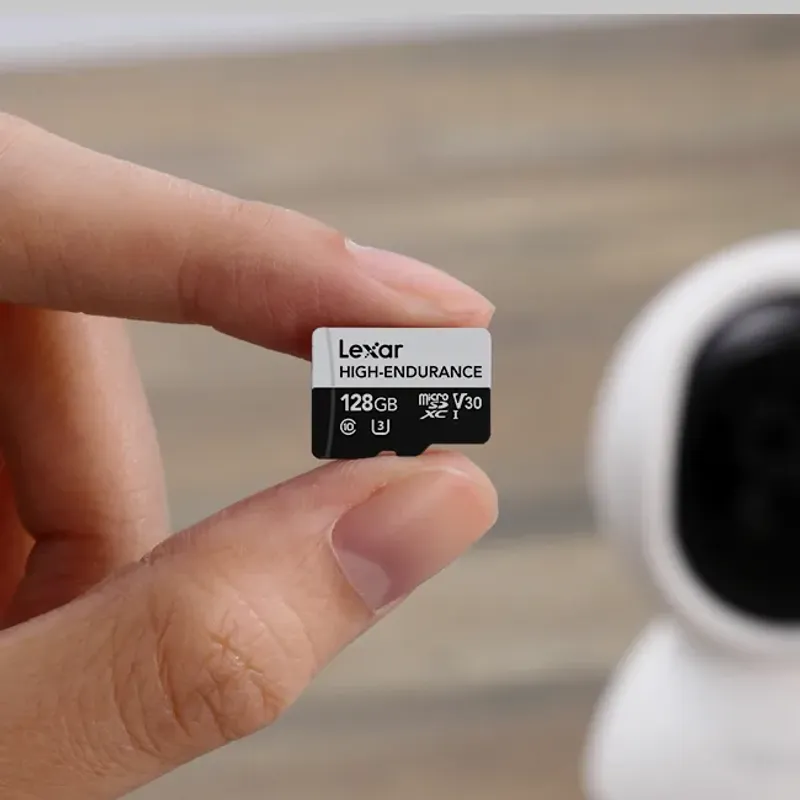
The best SD for dash cam use is an endurance-rated microSD card that appears on your camera maker's compatibility list. SanDisk High Endurance is the balanced pick, Samsung PRO Endurance stands out for its published endurance range, Lexar High-Endurance offers broad capacities, and Kingston or Transcend are useful alternatives when their exact models match your recorder.
Use a capacity explicitly supported by your camera. Higher resolutions and more channels fill a card faster, but an unsupported large card may not format or record reliably.
Do dash cams need a special SD card?
An endurance-rated card is preferable because dash cams continuously overwrite video and operate in demanding temperatures. Standard cards may also be excluded from the camera maker's warranty guidance.
How often should I format a dash cam SD card?
Follow the dash-cam manufacturer's schedule and format method. Save required clips first because formatting erases stored recordings.
Why does my dash cam say the memory card is full?
Protected files may be accumulating, loop recording may be disabled, or the card may have a file-system or wear problem. Back up needed footage, follow the manual's format procedure, and replace a failing card with an approved model.
Start with the coverage you need: front-only, front and rear, cabin or a wider multi-camera view. Then compare recording detail, storage and power requirements.
VIOFO A229 Pro 2CH is our broad recommendation for detailed front and rear coverage. Garmin Mini 3 favors discretion, while Garmin X310 is the sharper single-camera choice.
The A329S serves buyers seeking high-detail multichannel recording; A229 models cover more moderate dual-camera needs, while A119 Mini 2 is the compact front-only option.
A front and rear dash cam records both directions and can provide context a single lens misses. Check the rear-camera cable route and simultaneous recording resolution before buying.
Your privacy
We use cookies and similar technologies. Necessary ones keep the site working. With your permission we also use statistics cookies (Google Analytics and Microsoft Clarity) to understand which guides help readers. You can accept all, reject all or choose. You can change your choice at any time from "Cookie settings" at the bottom of every page. Cookie policy




 Official manufacturer image
 Official manufacturer image
 Official manufacturer image

