



 Official manufacturer image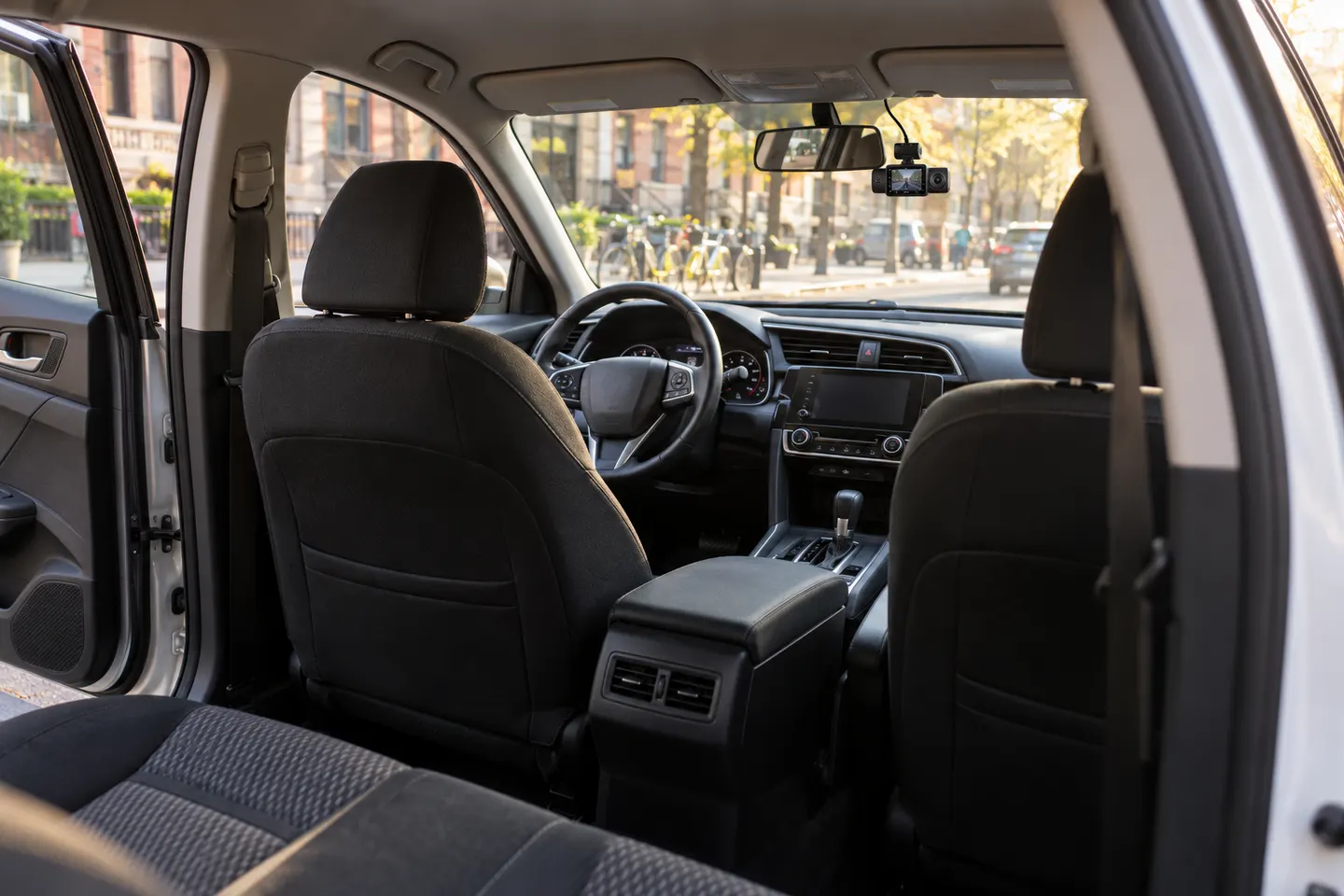
Our picks
Top picks
Official manufacturer image Official manufacturer image
Garmin Dash Cam Mini 3
Check price on Amazon Official manufacturer image
Garmin Dash Cam X310
Check price on AmazonBy vehicle
Common questions
Questions before you buy
What dash cam setup is useful for a rideshare driver?
A front-and-cabin model can cover the road and passenger compartment. Check local consent rules, make audio recording controllable and display any notice required by the platform or jurisdiction.
Should delivery drivers use front and rear dash cams?
Rear coverage can add context during reversing, impacts and traffic disputes. Balance that benefit against installation complexity, storage demand and rear-window visibility.
Can an employer install a dash cam in a company car?
Employers should use a clear policy covering purpose, access, retention, audio and driver notice. Employment, privacy and recording laws vary, so obtain appropriate legal guidance.
Is GPS important for a driver dash cam?
GPS can record location and sometimes speed with video, which may add context. Decide whether that data is necessary and who should be allowed to access it.