



 Official manufacturer image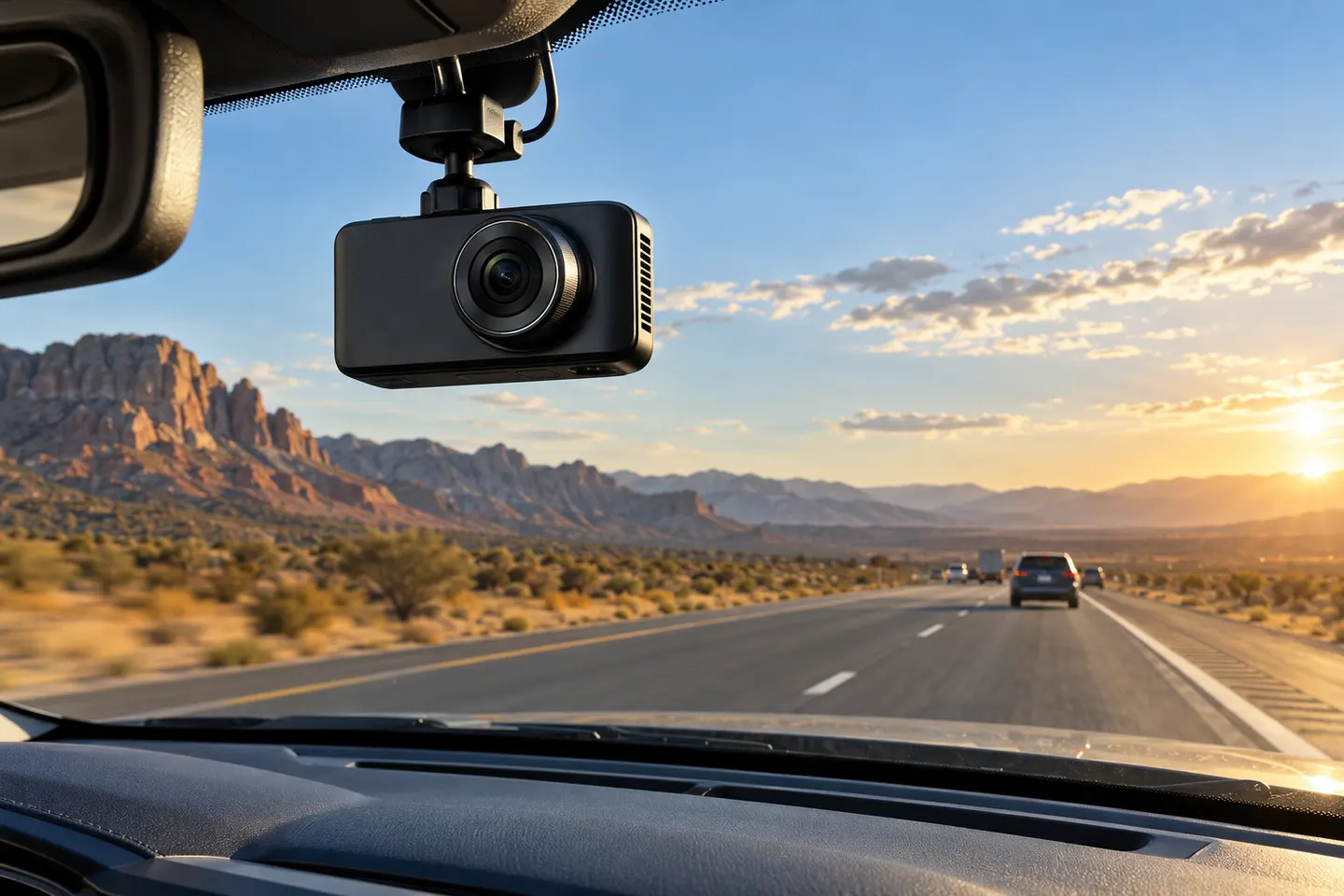
Our picks
Top picks
Official manufacturer image Official manufacturer image
Garmin Dash Cam Mini 3
Check price on Amazon Official manufacturer image
Garmin Dash Cam X310
Check price on AmazonMore topics
 Hi Def Dash Cam Buying Guide for Clearer Road Video
Common questions
Questions before you buy
What counts as a hi res dash cam?
The term is informal, but it commonly describes cameras recording above 1080p, such as 1440p or 2160p. Always check the exact pixel dimensions.
Is 2K enough for a high-resolution dash cam?
For many drivers, yes. A strong 2K implementation balances detail, storage use and heat, especially when paired with HDR and a good sensor.
Why does some 4K dash cam footage still look blurry?
Movement, long exposure, focus, windshield reflections, low bitrate and digital upscaling can all reduce real detail despite the 4K file size.
Should I choose 60 fps or higher resolution?
A higher frame rate can make motion smoother, while higher resolution adds spatial detail. The better choice depends on the camera's actual modes and day-versus-night performance.
What memory card suits a hi res dash cam?
Use a high-endurance card within the manufacturer's supported capacity and speed requirements. Reformat and replace it according to the maker's maintenance guidance.