



 Official manufacturer image
Our picks
Top picks
Official manufacturer image Official manufacturer image
Garmin Dash Cam Mini 3
Check price on Amazon Official manufacturer image
Garmin Dash Cam X310
Check price on AmazonMore topics
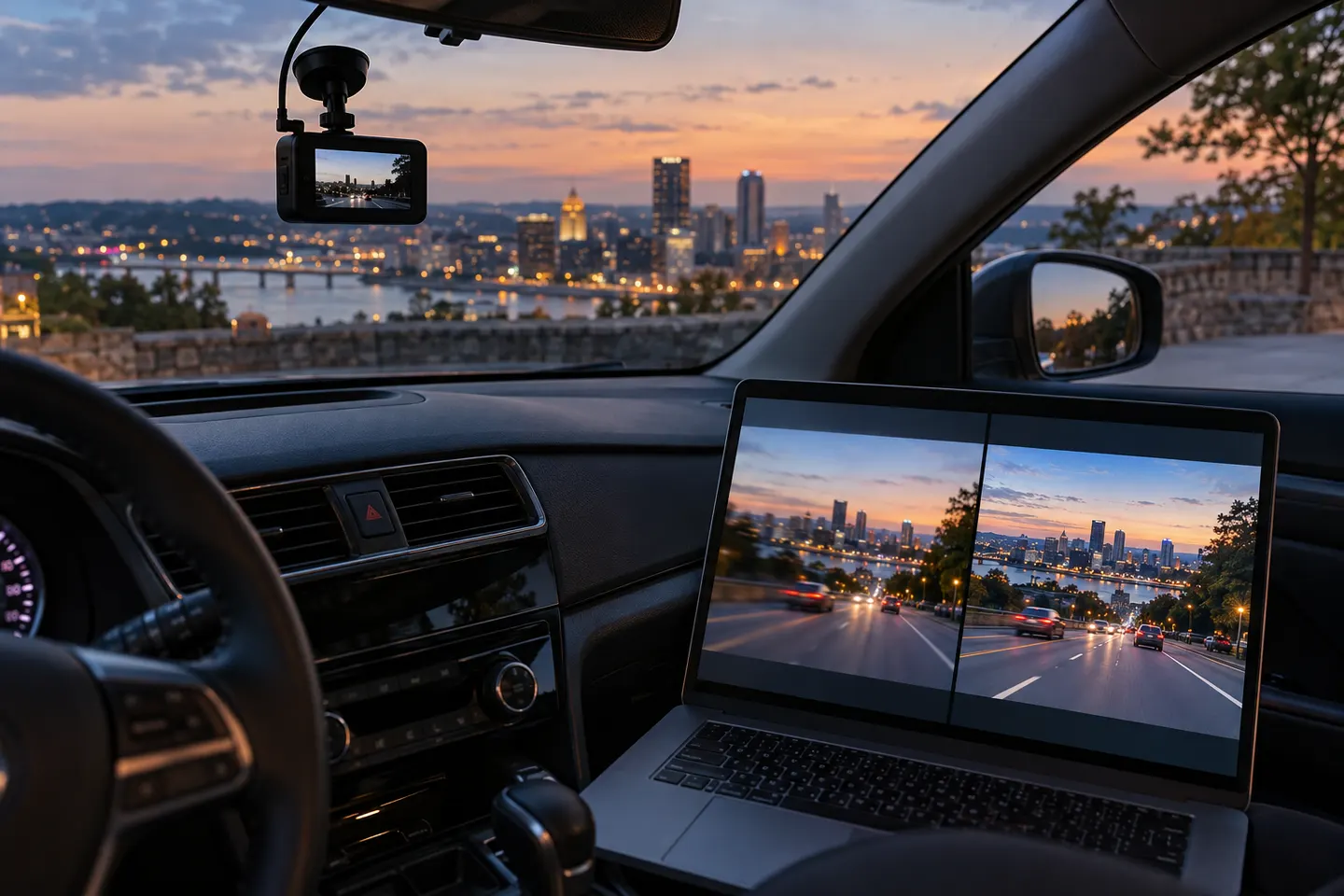 High-Resolution Dash Cams
Common questions
Questions before you buy
What is the highest resolution available in a dash cam?
Many current consumer models specify 4K, or 3840 × 2160, for the front channel. Product claims change, so verify the current recording mode and whether it is native.
Is 4K always better than 2K for dash cams?
No. A strong 2K camera can outperform a weak 4K model at night or in motion because sensor, exposure, bitrate and lens quality matter alongside pixel count.
Does 4K guarantee readable license plates?
No dash cam can guarantee that. Distance, speed, angle, lighting, glare, dirt and compression can obscure a plate even in a high-resolution frame.
Do high-resolution dash cams need larger memory cards?
Usually, because higher-bitrate files use more space. Use a capacity and endurance rating approved by the camera manufacturer.
Does a rear camera reduce front resolution?
It can on some models, while others keep the same front mode. Check the exact simultaneous front-and-rear recording specification rather than the front-only headline.