



 Official manufacturer image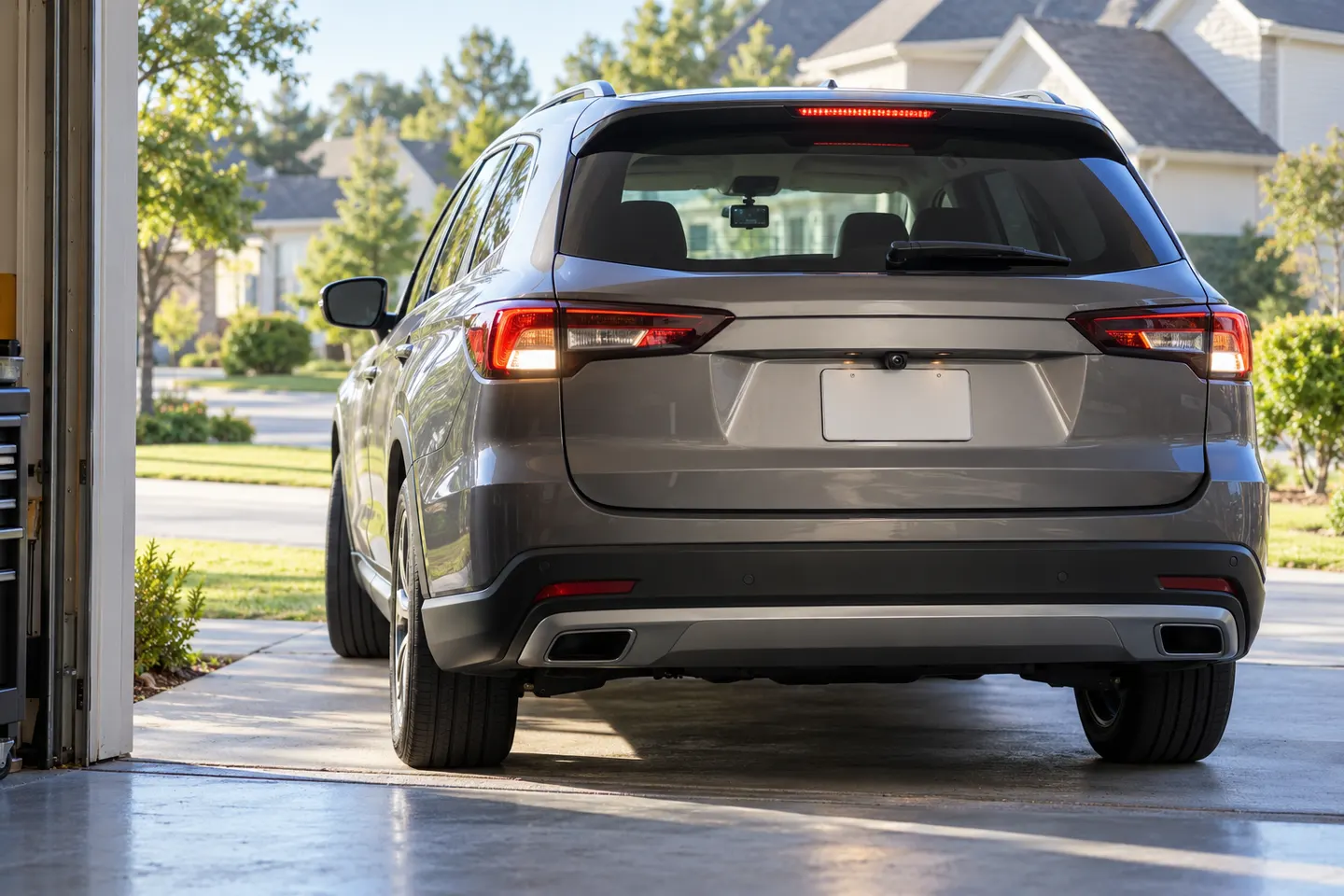
Our picks
Top picks
Official manufacturer image Official manufacturer image
Garmin Dash Cam Mini 3
Check price on Amazon Official manufacturer image
Garmin Dash Cam X310
Check price on AmazonCommon questions
Questions before you buy
What cameras should a complete car camera system include?
For incident evidence, front and rear are the usual core. Add a cabin camera for passenger context or a dedicated exterior view when the vehicle and use case require it.
Is a backup camera the same as a dash cam system?
No. A backup camera is designed primarily for a live reversing view; a dash cam records journeys and incidents. Some systems combine both roles.
How are multi-camera car systems powered?
They may use an accessory socket, a fuse-panel hardwire kit, an OBD power adapter or a dedicated battery. Compatibility and battery protection matter more than connector convenience.
Can a car camera system be viewed remotely?
Only models with the required network connection and service support remote access. Check coverage, subscription terms and privacy settings before depending on it.
Do more camera channels reduce recording quality?
They can change the simultaneous resolution or frame rate and always increase total data. Read the multi-channel recording specification, not only the highest single-camera claim.