



 Official manufacturer image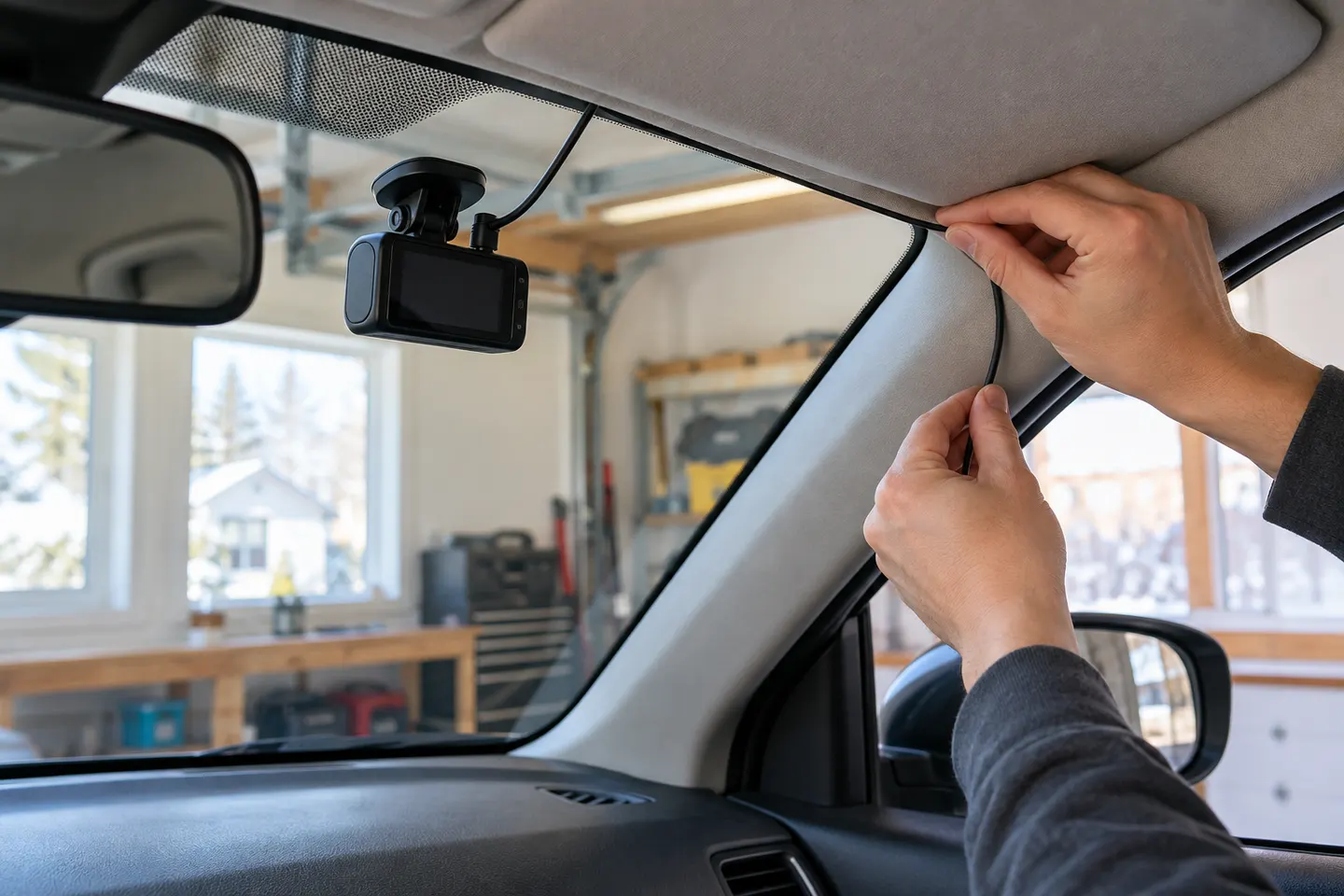
Our picks
Top picks
Official manufacturer image Official manufacturer image
VIOFO A229 Pro 2CH
Check price on Amazon Official manufacturer image
Garmin Dash Cam Mini 3
Check price on AmazonCommon questions
Questions before you buy
Where is the best place to install a dash cam?
High behind or beside the rear-view mirror is usually discreet and gives a central view. Confirm that the mount and cable comply with the vehicle manual and do not obstruct vision.
Can I install a dash cam myself?
A plug-in front camera is often straightforward if you follow the manual. Hardwiring and rear-camera cable routing require more care, particularly around airbags and vehicle electrics.
Does hardwiring a dash cam drain the car battery?
A suitable kit should include low-voltage protection, but settings and vehicle condition still matter. Use compatible hardware and have unexplained battery drain checked.
How long does a front and rear dash cam installation take?
It depends on the vehicle, trim, cable route and whether hardwiring is required. Ask the installer for a model-specific estimate rather than relying on a universal time.