



 Official manufacturer image
Our picks
Top picks
Official manufacturer image Official manufacturer image
Garmin Dash Cam Mini 3
Check price on Amazon Official manufacturer image
Garmin Dash Cam X310
Check price on AmazonBy feature
 Dual
DualCommon questions
Questions before you buy
What does dual lens mean on a dash cam?
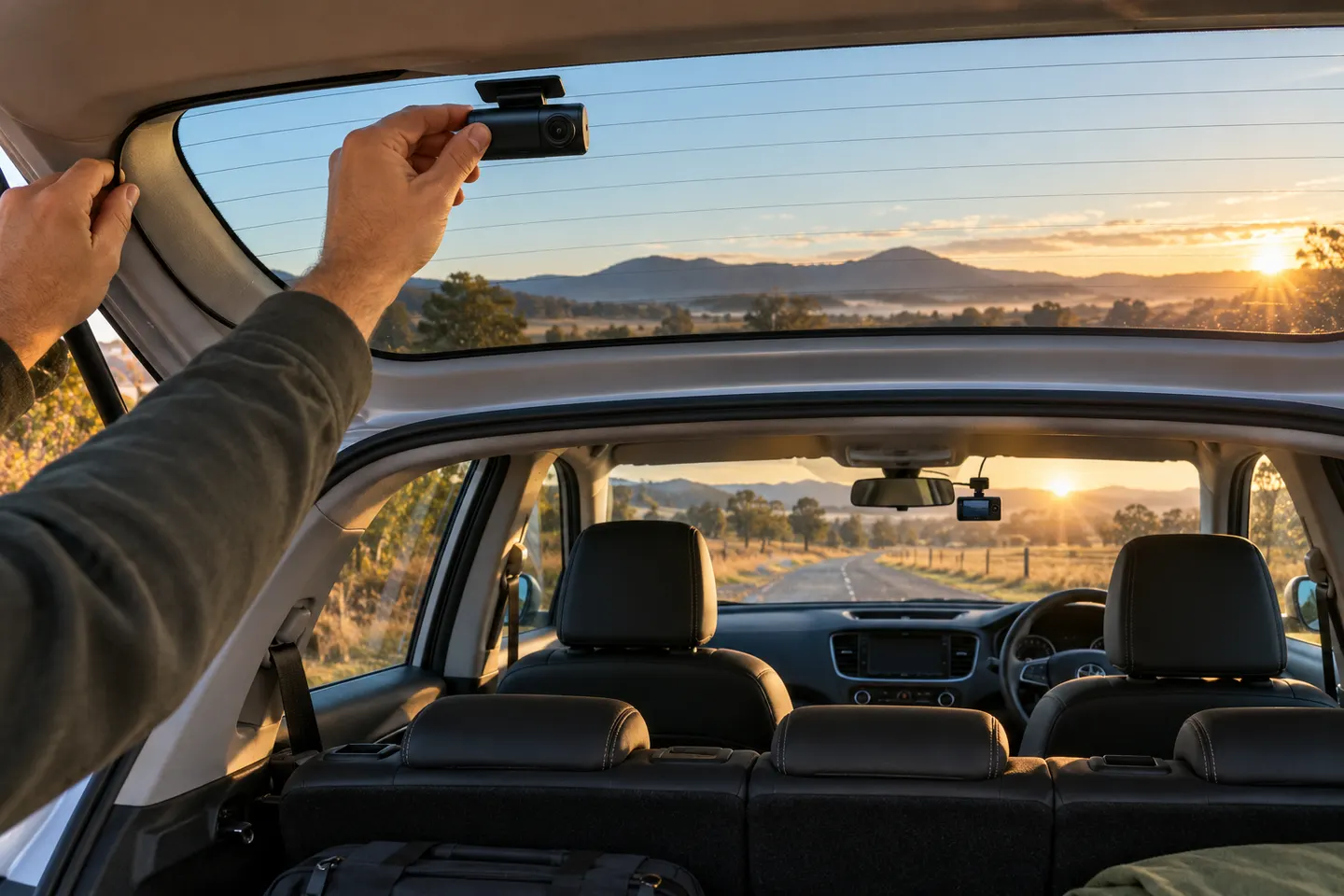
It means the system records from two cameras. The second lens may face the rear road or the cabin, so check the exact configuration rather than relying on the phrase alone.
Is a dual-lens dashcam the same as a front-and-rear dash cam?
Not always. Some dual-lens models put a cabin-facing lens beside the front lens, whereas a front-and-rear kit uses a separate camera at the back of the vehicle.
Can both dash cam lenses record at the same time?
Models designed for dual-channel recording can save both views simultaneously. Confirm the supported resolution for each channel and use the memory-card specification in the manual.
Where should the second dash cam lens point?
Point it rearward if you want traffic coverage behind the car, or inward if rideshare, passenger, or cargo activity matters more. Local privacy and audio-recording rules may apply to cabin footage.