



 Official manufacturer image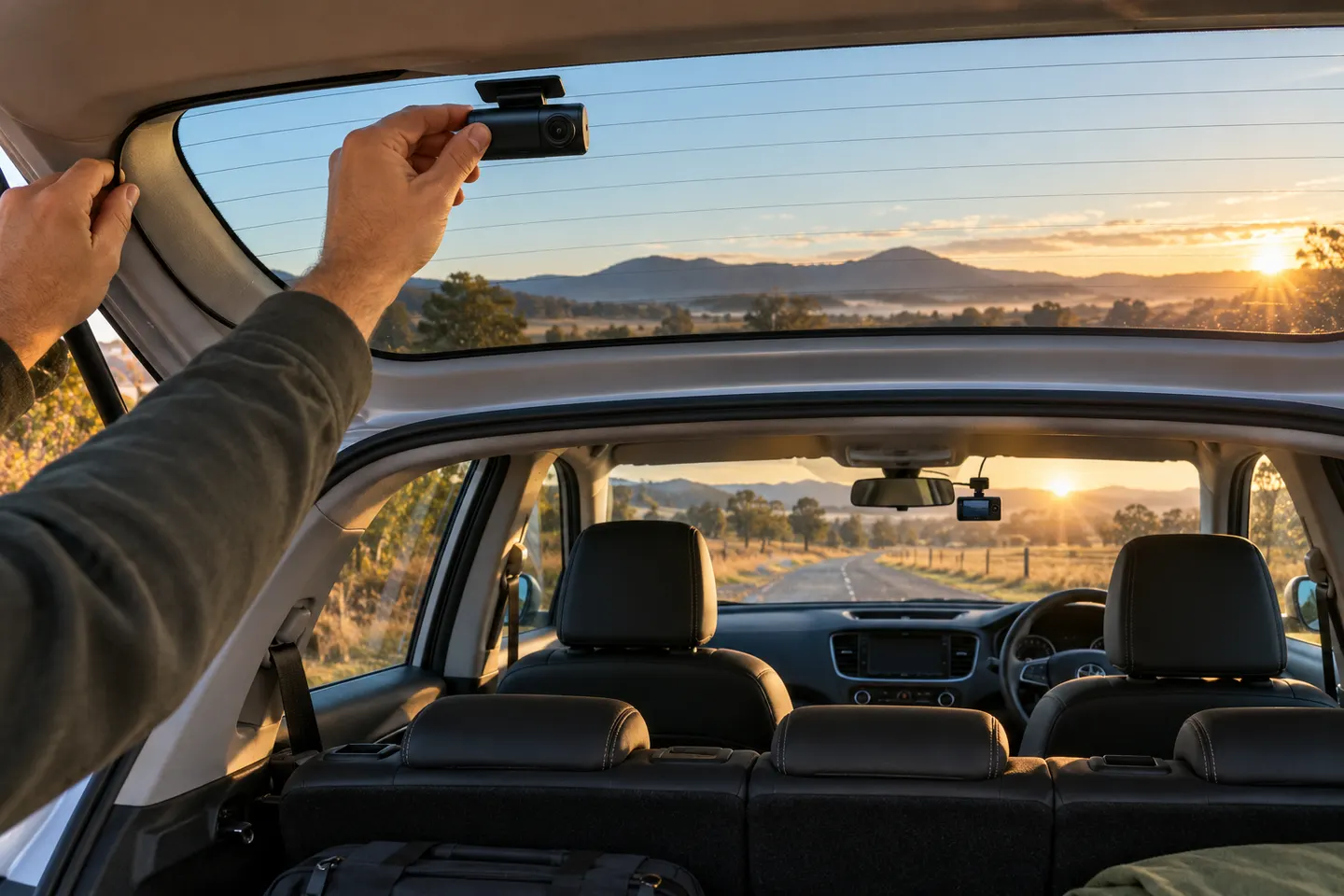
Our picks
Top picks
Official manufacturer image Official manufacturer image
Garmin Dash Cam Mini 3
Check price on Amazon Official manufacturer image
Garmin Dash Cam X310
Check price on AmazonBy feature
Common questions
Questions before you buy
What does dual mean on a dash cam?
It means the system records two camera channels. The second lens may face the rear road or the cabin, so verify the exact configuration.
Is a dual dash cam better than a front-only camera?
It provides another viewpoint, which can clarify rear impacts or cabin events. It also adds wiring, storage use and installation time.
Can both cameras record at the same time?
A true two-channel kit records both channels together, but available resolution and frame rate may change in dual-channel mode. Check the manufacturer's specifications.
Where should the rear dash camera go?
It is normally mounted high on the rear glass without blocking the driver's view or sitting directly over a defroster connector. Hatchbacks need enough cable slack for the moving hatch.
How much storage does a dual dash cam need?
That depends on bitrate, resolution and driving time. Use a high-endurance card within the camera's supported capacity and expect two channels to overwrite footage sooner than one.