
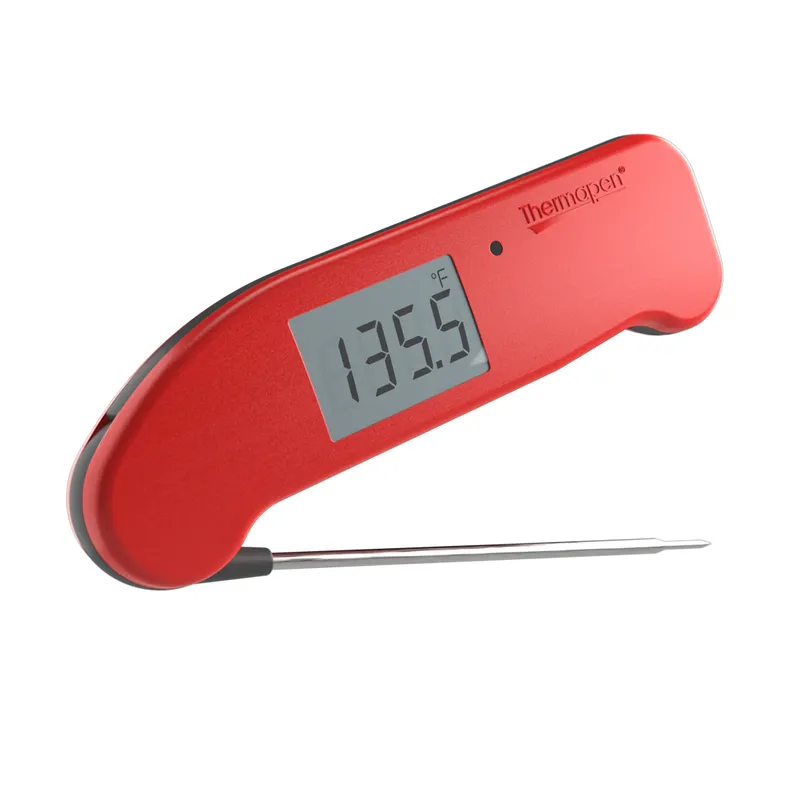
 Official manufacturer image
Our picks
Top picks
Official manufacturer image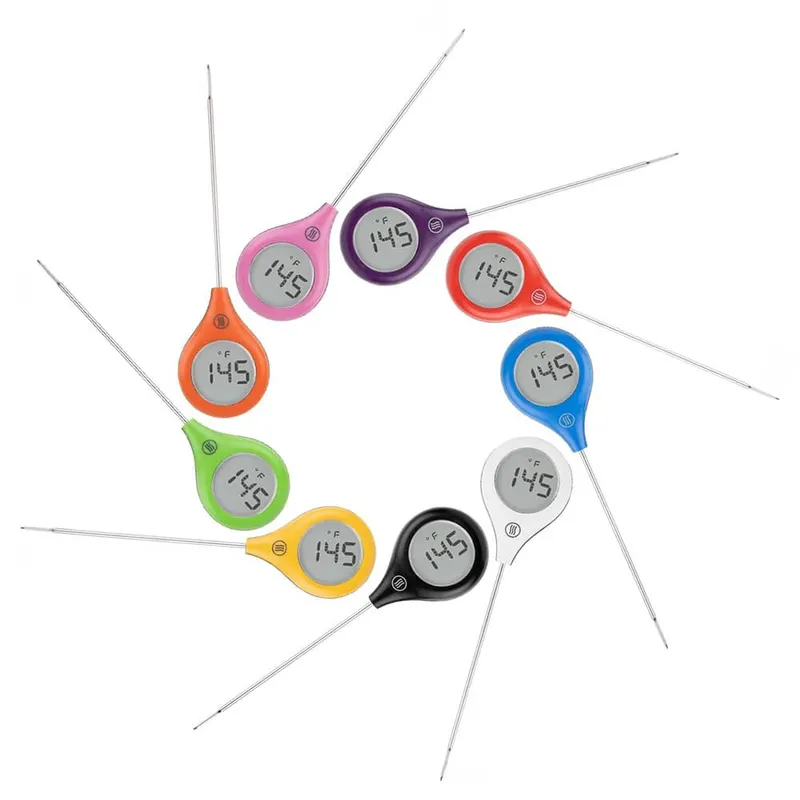 Official manufacturer image
ThermoWorks ThermoPop 2
Check price on Amazon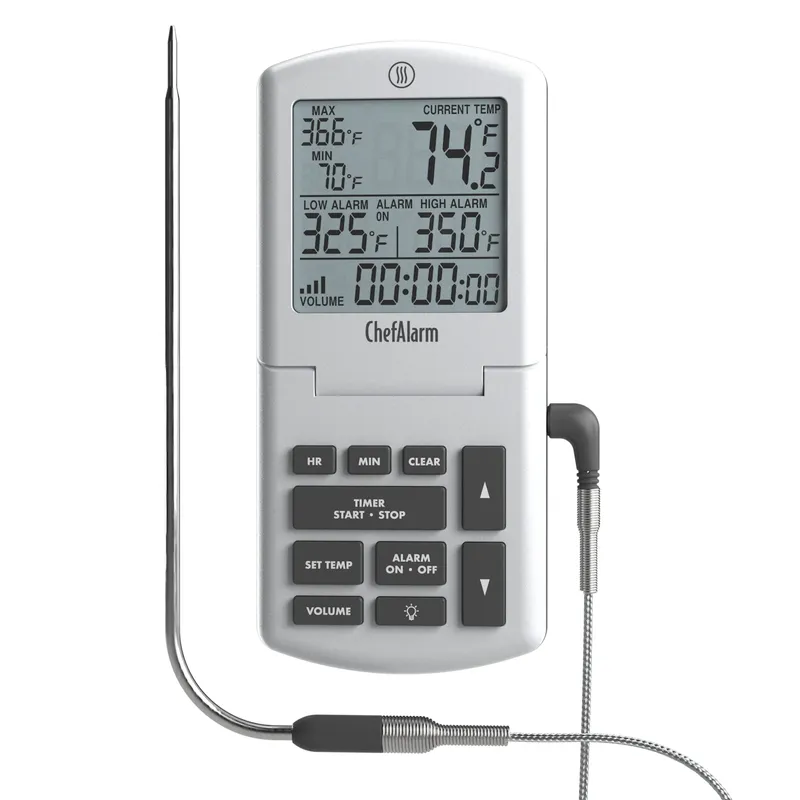 Official manufacturer image
ThermoWorks ChefAlarm
Check price on AmazonMeat thermometers
Buying guide
How to Calibrate a Meat Thermometer at Home
Start with a well-made ice slurry and the manufacturer's adjustment instructions. Many digital models can only be checked, not user-calibrated, so record the offset or replace an unreliable unit.
How Do You Calibrate a Meat Thermometer Correctly?
For most kitchen thermometers, use a well-stirred ice-water slurry and look for 32°F without touching the glass. Adjust only as the manufacturer's instructions allow; some digital models can be checked but not recalibrated.
Common questions
Questions before you buy
How do you calibrate a meat thermometer in ice water?
Pack a glass with crushed ice, add enough clean water to fill the gaps, stir and insert the sensing area without touching the glass. Follow the model's instructions to adjust it to 32°F if adjustment is supported.
Can every food thermometer be calibrated?
No. Some can be adjusted, while others only allow an accuracy check or require service. Consult the exact model's manual.
How often should a cooking thermometer be checked?
Check it according to your food-safety procedure and after a drop, severe temperature shock or any suspicious reading. Commercial requirements may specify a schedule.
Why is the boiling-point test not always 212°F?
Water's boiling point changes with altitude and atmospheric pressure. Use a local reference or an altitude correction before judging the thermometer.