



 Official manufacturer image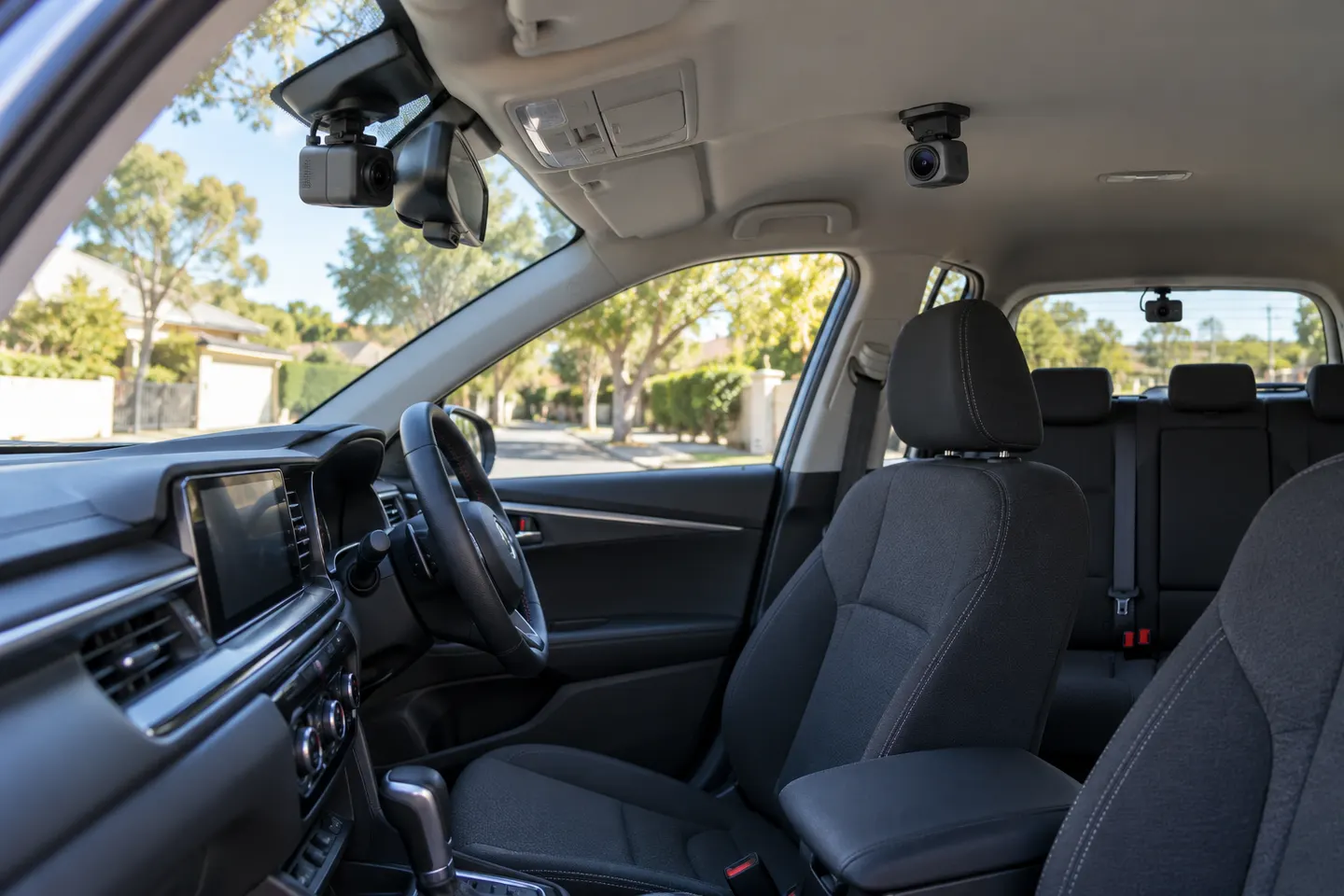
Our picks
Top picks
Official manufacturer image Official manufacturer image
Garmin Dash Cam Mini 3
Check price on Amazon.ca Official manufacturer image
Thinkware U3000
Check price on Amazon.caBy feature
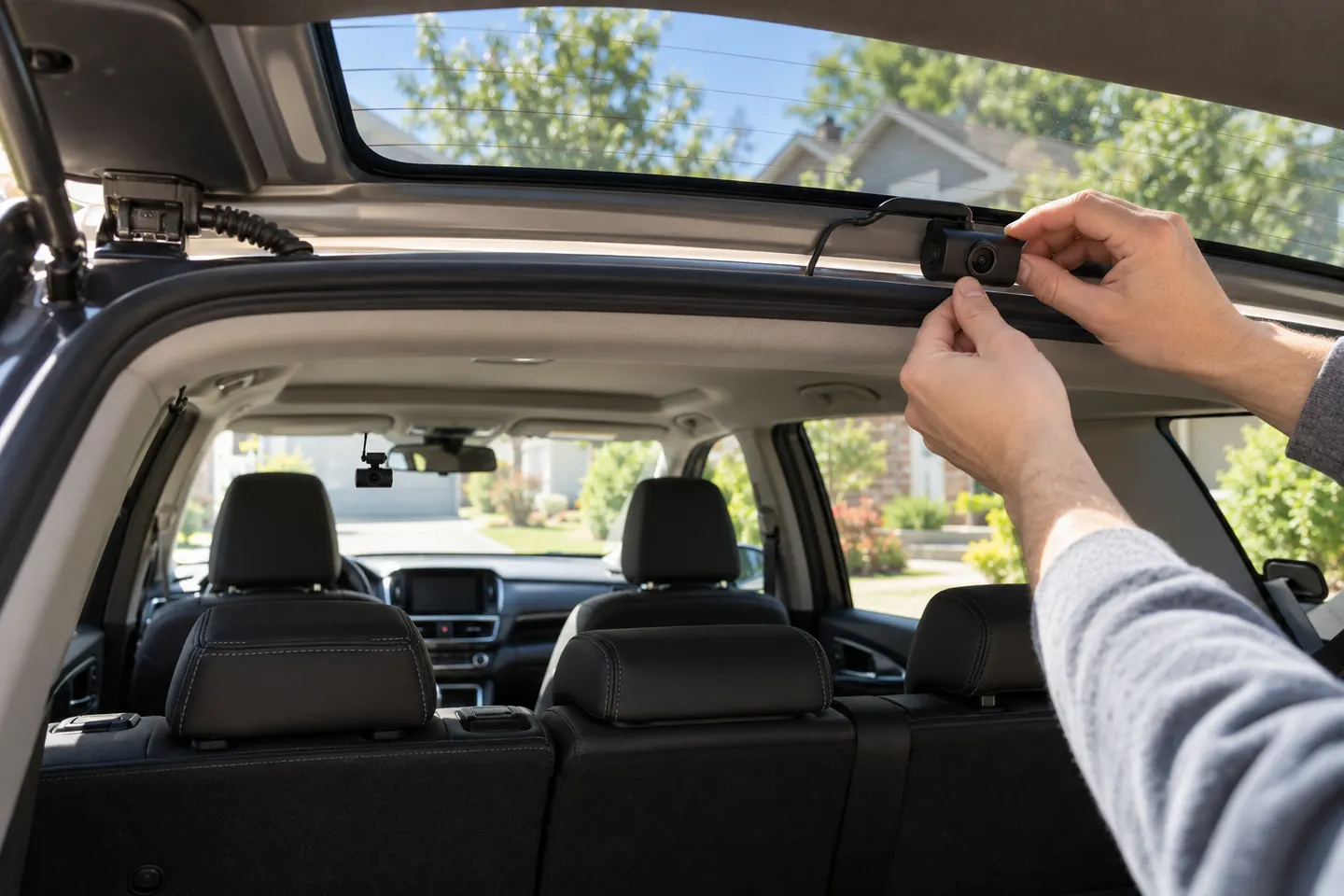 Dual channel
Common questions
Questions before you buy
What does a 3-channel dash cam record?
It normally records the road ahead, the vehicle interior and the road behind, although lens placement varies by model.
Does a three-camera dash cam use more storage?
Yes. Recording three video streams consumes card capacity faster than a single-channel system at comparable settings.
Is a cabin camera useful at night?
A cabin camera with infrared illumination can show more inside a dark vehicle, but image quality still depends on lens position, reflections and exposure.
Is it legal to record passengers in Canada?
Privacy and audio-recording obligations depend on the context and jurisdiction. Give clear notice and obtain legal guidance for commercial or workplace use.