



 Official manufacturer image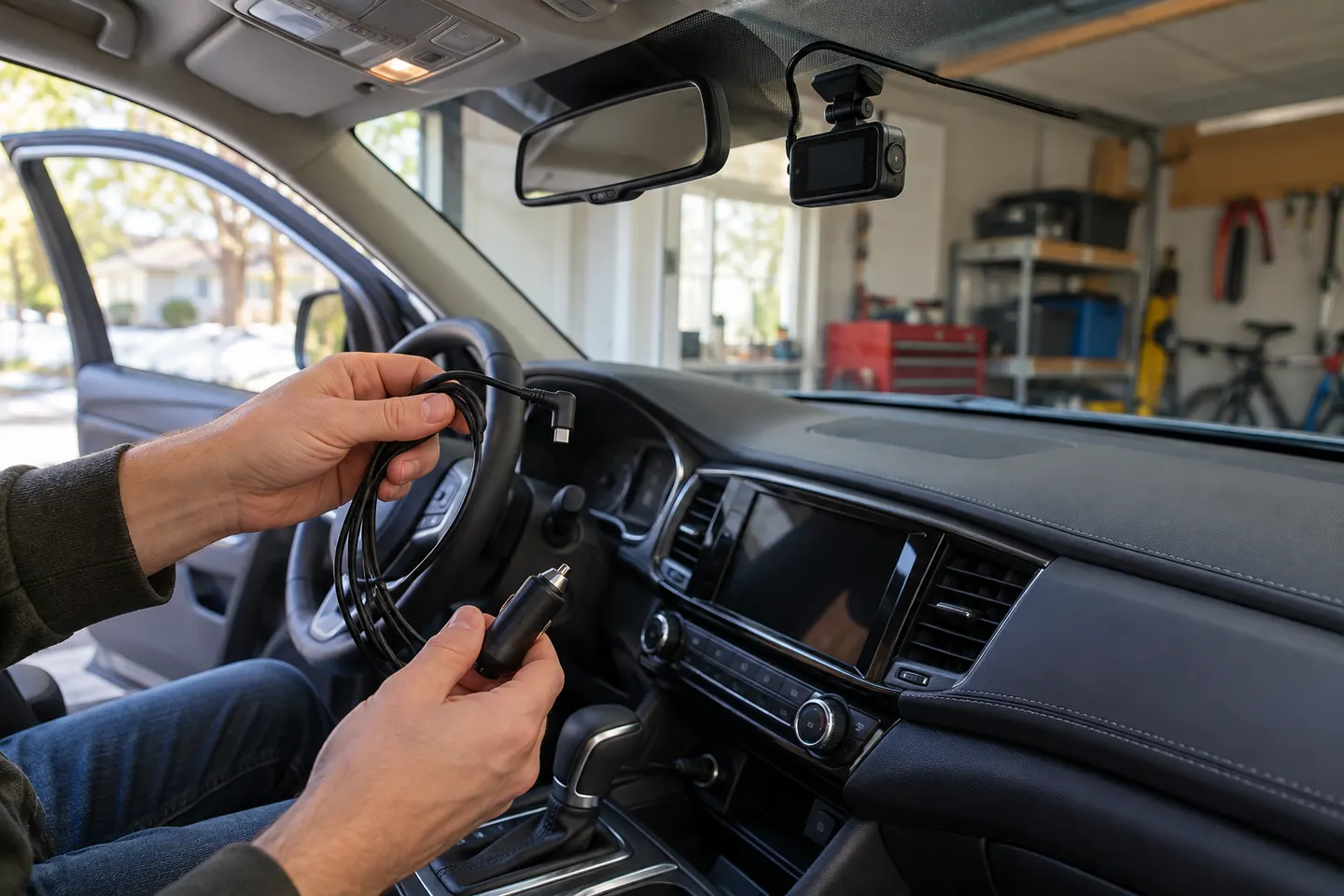
Our picks
Top picks
Official manufacturer image Official manufacturer image
Garmin Dash Cam Mini 3
Check price on Amazon.ca Official manufacturer image
Thinkware U3000
Check price on Amazon.caCommon questions
Questions before you buy
How long does a dash cam installation take?
It depends on the vehicle, channel count and power method. A plug-in front camera is simpler than a hardwired front-and-rear system.
Should I hardwire my dash cam?
Hardwiring can provide a cleaner cable route and supported parking power, but it must include compatible voltage protection and correct fuse connections.
Can dash cam wiring interfere with airbags?
Poorly routed cable can cross curtain-airbag paths or displaced trim. Follow vehicle and camera instructions or use a qualified installer.
Where should a dash cam be installed?
Place it high enough for a clear road view, typically near the mirror, without obstructing the driver or blocking vehicle sensors. Keep the lens within the wiper-cleared area.