



 Official manufacturer image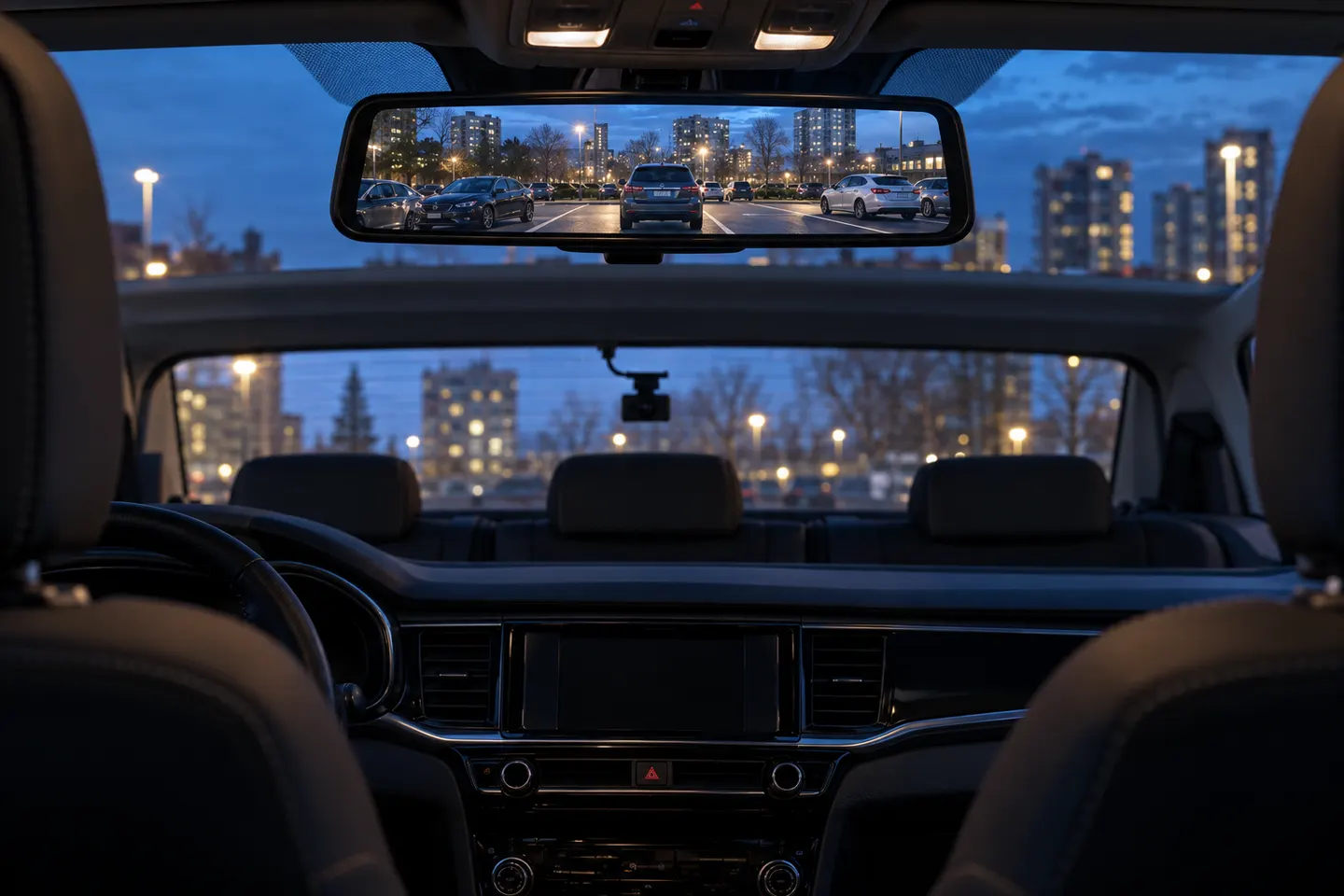
Our picks
Top picks
Official manufacturer image Official manufacturer image
Garmin Dash Cam Mini 3
Check price on Amazon.ca Official manufacturer image
Thinkware U3000
Check price on Amazon.caBy feature
 Front rear
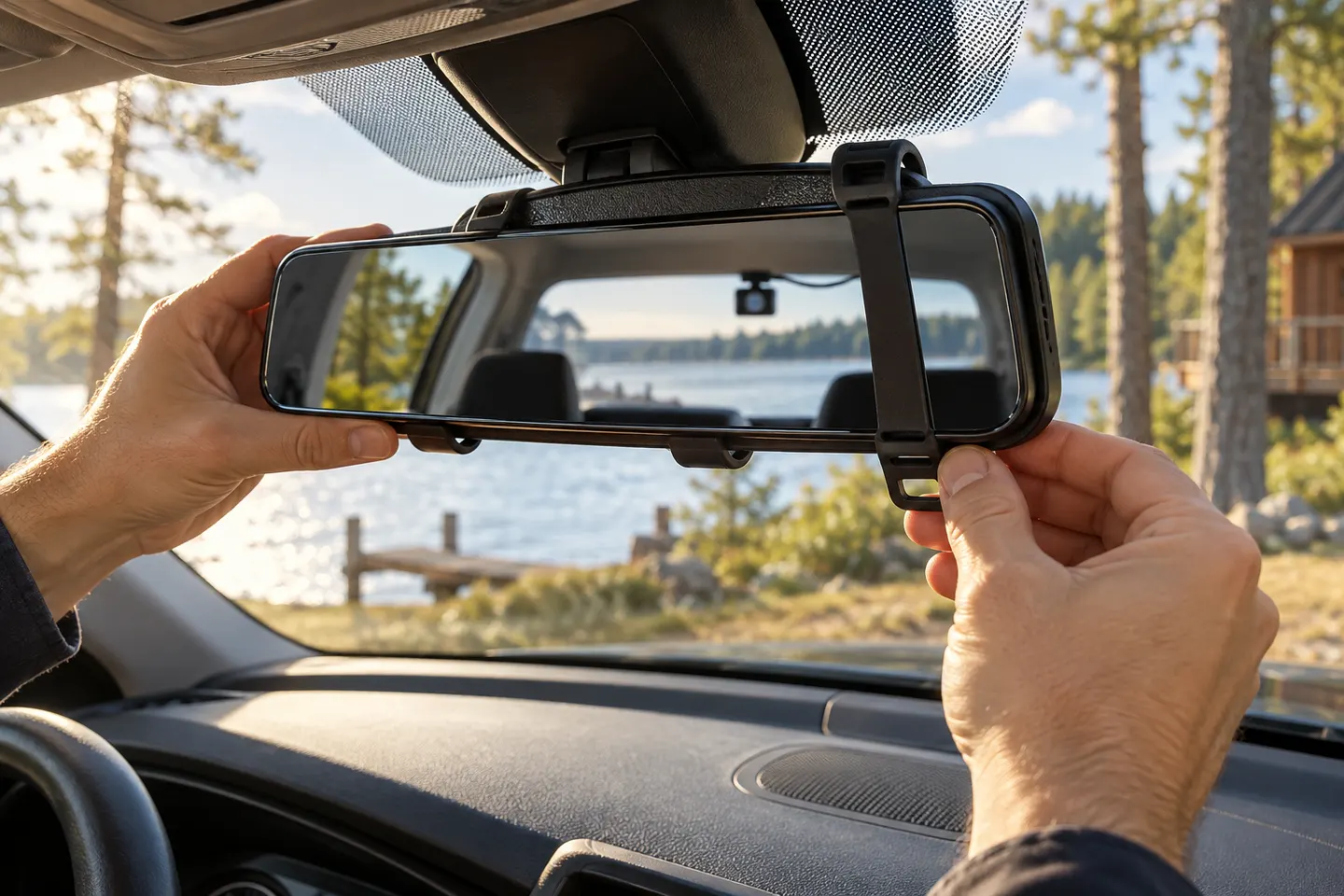 Rear view mirror
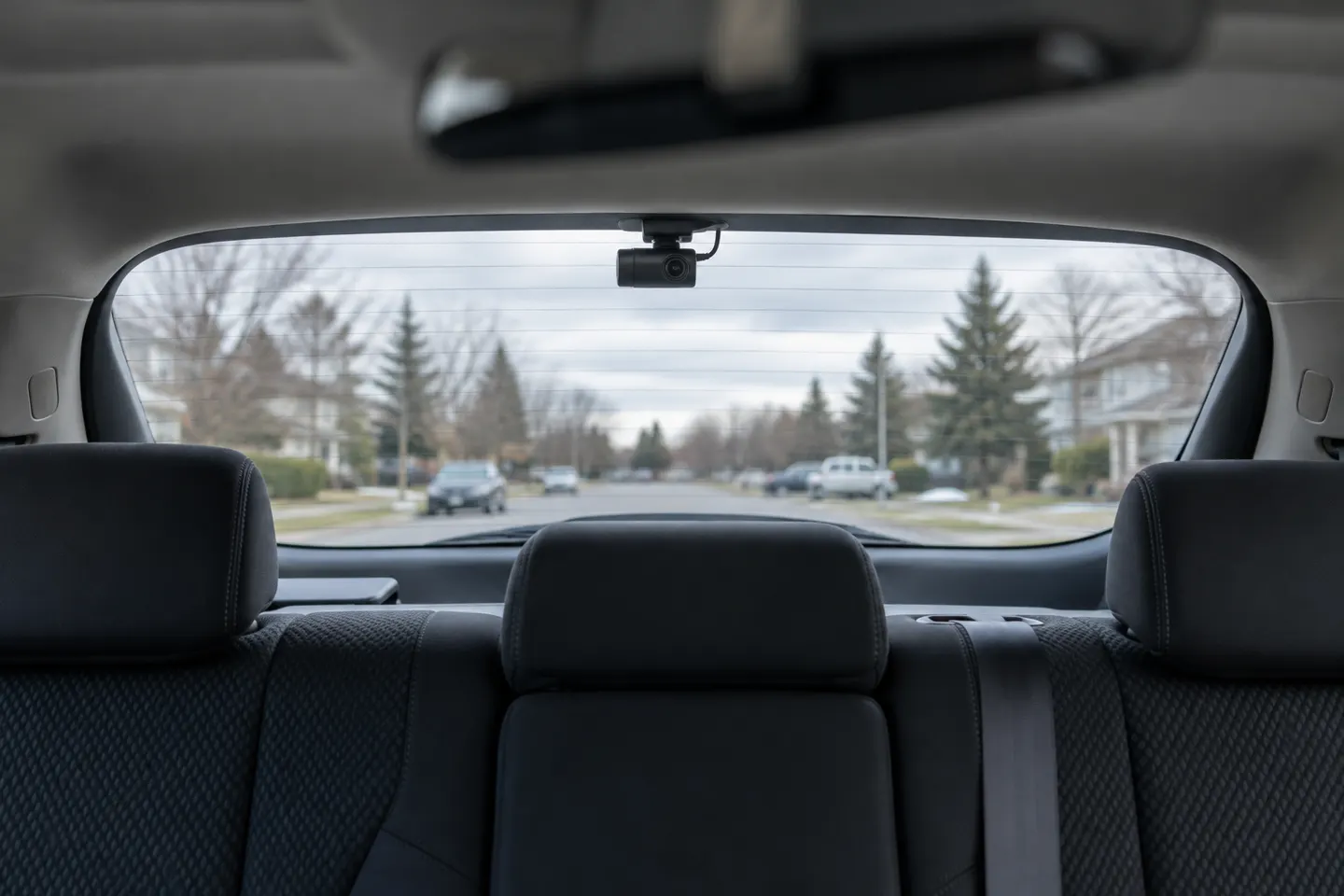 Rear
RearCommon questions
Questions before you buy
Is a rear dash cam the same as a reversing camera?
No. A rear dash cam is designed to record; a reversing camera is designed to help while backing up. Some systems support both functions.
Where should the rear camera be mounted?
Interior cameras usually sit high on the rear glass within the wiper's cleared area. Exterior cameras need explicit weather resistance and secure cable routing.
Does a rear dash cam record all the time?
In a dual-channel system it normally records with the front camera while driving. Parking behaviour depends on the camera and power setup.
Will a mirror dash cam fit every car?
Not necessarily. Check mirror dimensions, straps or replacement housing, sensor placement, sun visors and whether the added display affects normal mirror use.