



 Official manufacturer image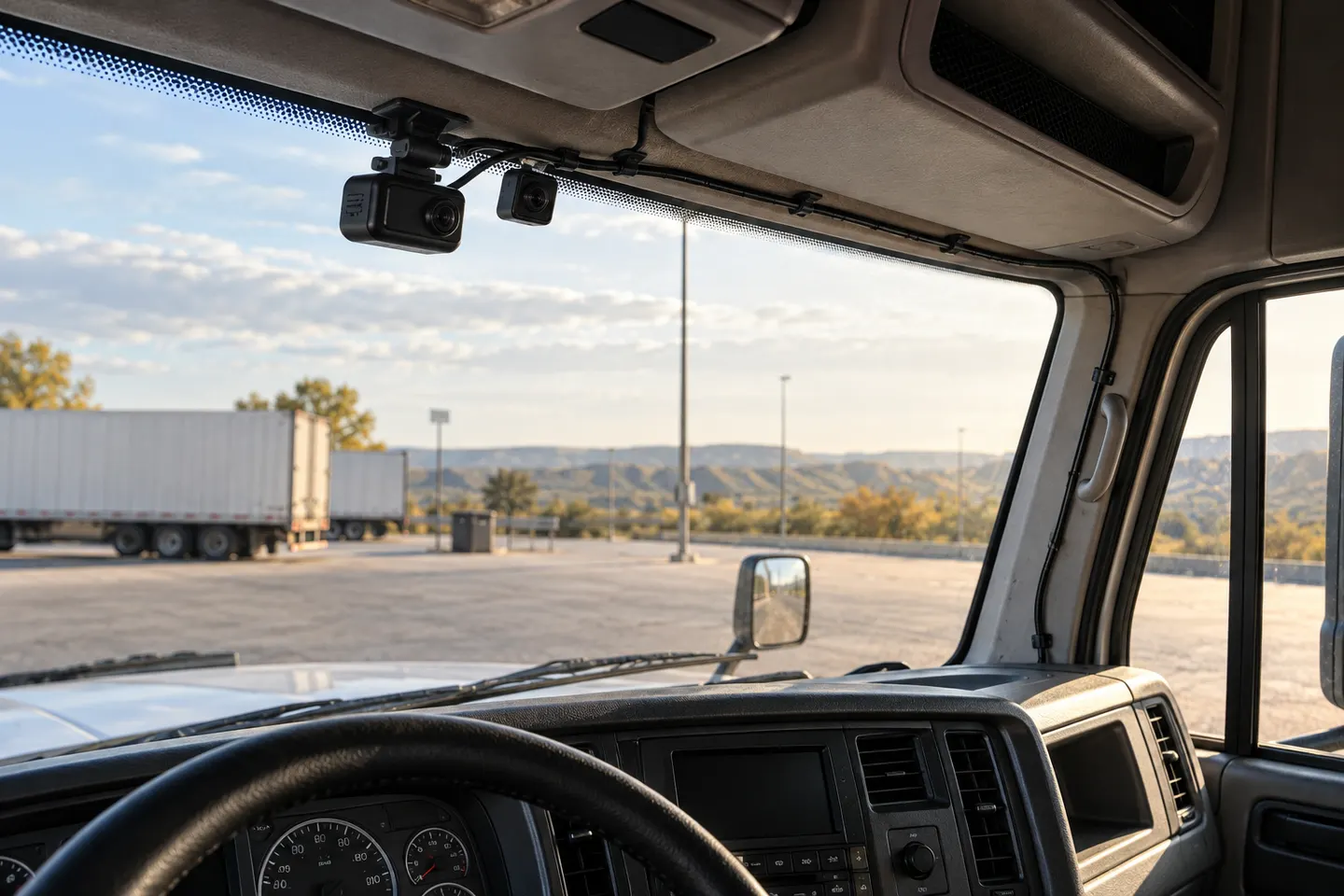
Our picks
Top picks
Official manufacturer image Official manufacturer image
Garmin Dash Cam Mini 3
Check price on Amazon.ca Official manufacturer image
Thinkware U3000
Check price on Amazon.caBy vehicle
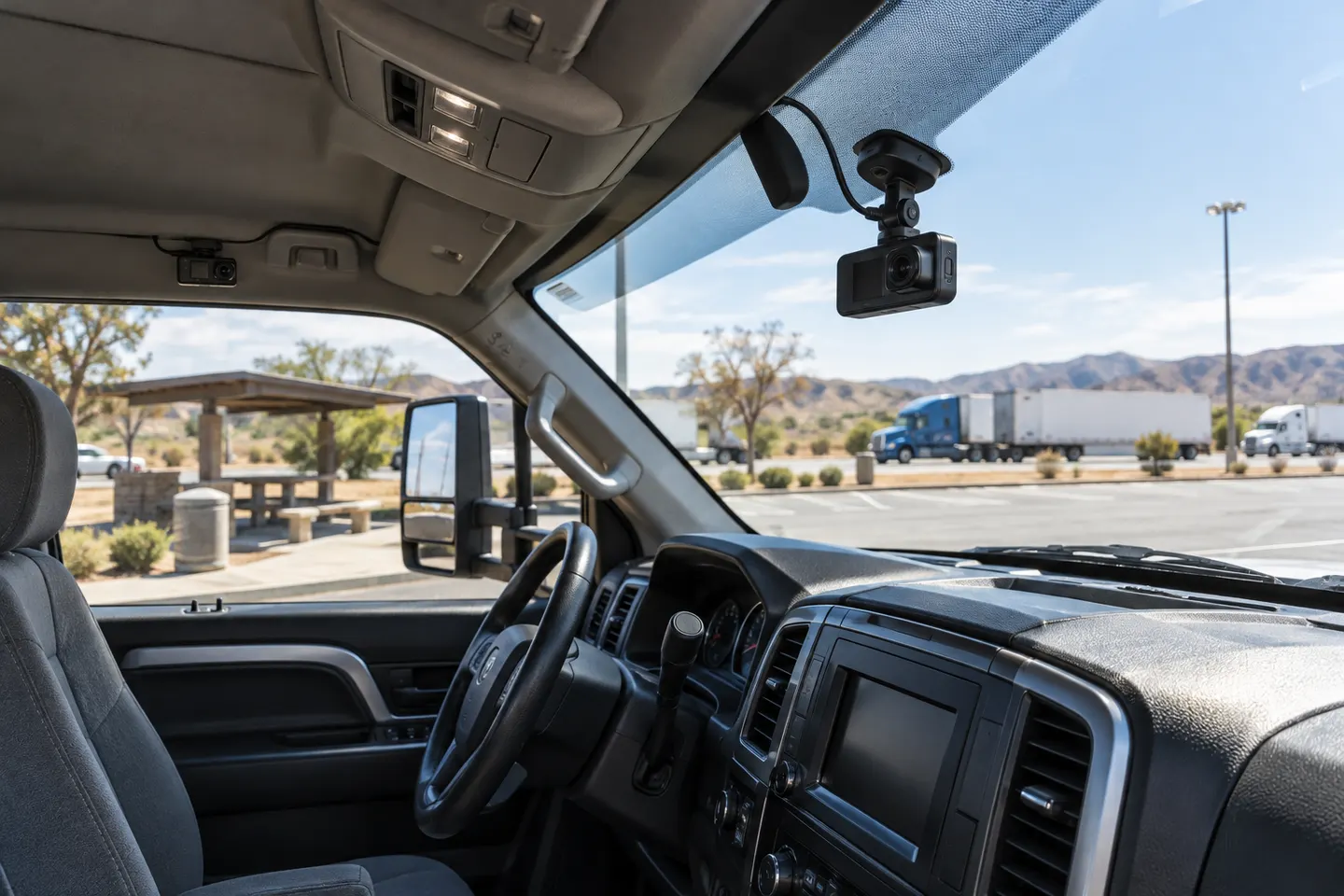 Truck
TruckCommon questions
Questions before you buy
How many cameras does a semi truck need?
A road-facing camera is the baseline. Cabin, side and rear channels add context where blind spots, loading activity or trailer movement are part of the risk.
Can a regular car dash cam be used in a semi truck?
Only if its mount, operating range and power requirements suit the truck. Verify support for the vehicle voltage rather than plugging in equipment by assumption.
How much storage does a dash cam for semi trucks require?
It depends on resolution, bit rate, number of channels and hours recorded. Long routes and multi-camera systems benefit from the largest approved endurance storage that the model supports.
Can a fleet manager watch a truck dash cam remotely?
A connected fleet camera may upload events or offer live access, but it needs cellular or hotspot connectivity and an appropriate service. Access should follow clear security and privacy controls.
Should a truck dash cam record the driver?
Cabin recording can document incidents and support safety programmes, but it also collects employee information. Employers should establish a necessary, proportionate policy and meet applicable privacy obligations.