



 Official manufacturer image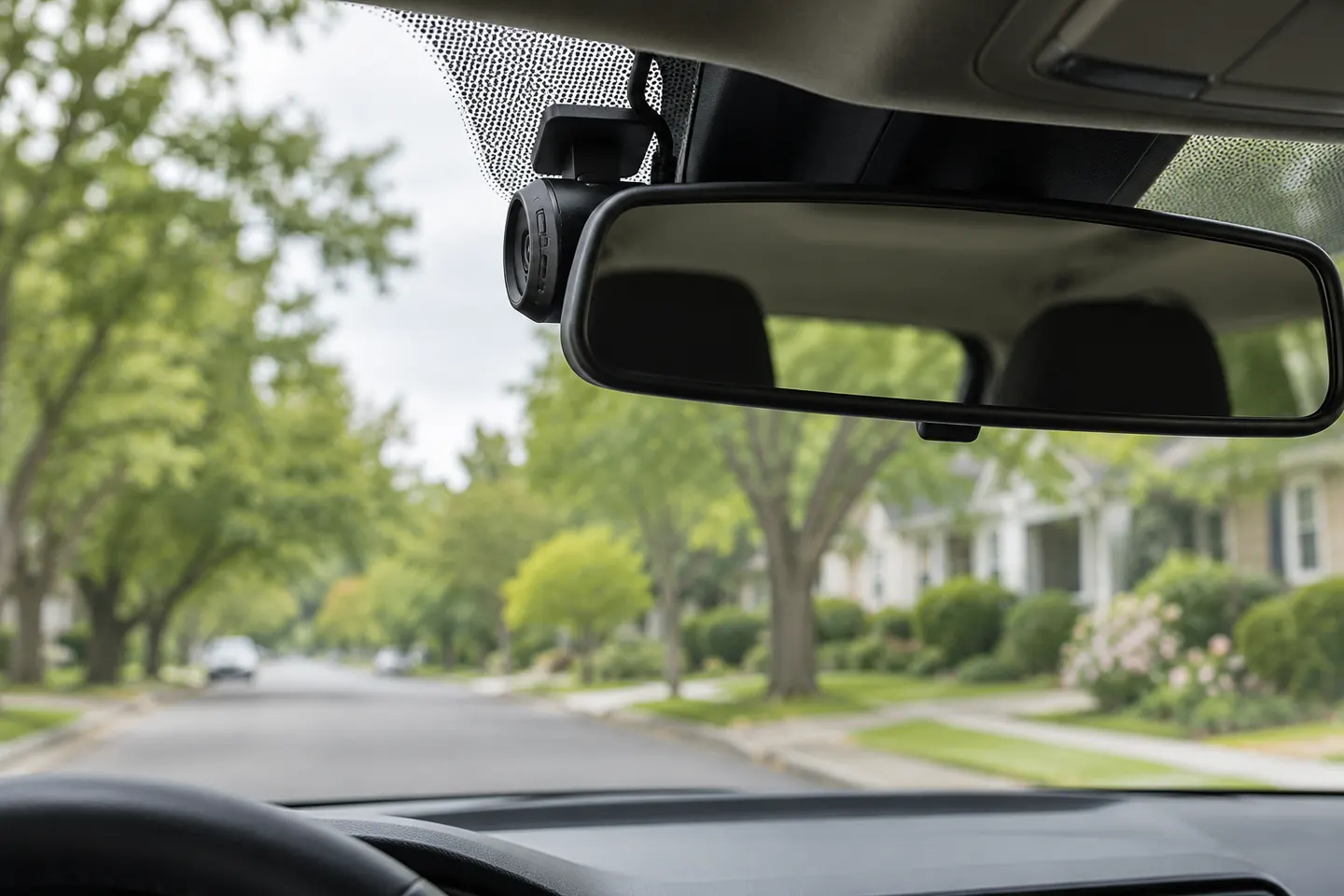
Our picks
Top picks
Official manufacturer image Official manufacturer image
Garmin Dash Cam Mini 3
Check price on Amazon.ca Official manufacturer image
Thinkware U3000
Check price on Amazon.caCommon questions
Questions before you buy
What is the advantage of a small dash cam?
It can fit discreetly near the mirror and obstruct less of the view. The trade-off may be a smaller screen, fewer controls or greater reliance on an app.
Do small dash cams have screens?
Some do, while very compact models are screenless. A screenless camera normally uses status lights, spoken alerts or a phone app for setup.
Can a small dash cam record front and rear?
Yes, if it is sold as a compatible multi-channel system. The rear module and cable add to the overall installation even when the front unit is compact.
Where should a small in-car camera be mounted?
Choose a stable position with a clear road view that does not obstruct the driver or interfere with vehicle sensors. Follow local rules and the camera instructions.
Is a compact dash cam harder to use?
It can be if buttons, card slot or screen are omitted. Review how you align the lens, confirm recording and save a clip before choosing.