
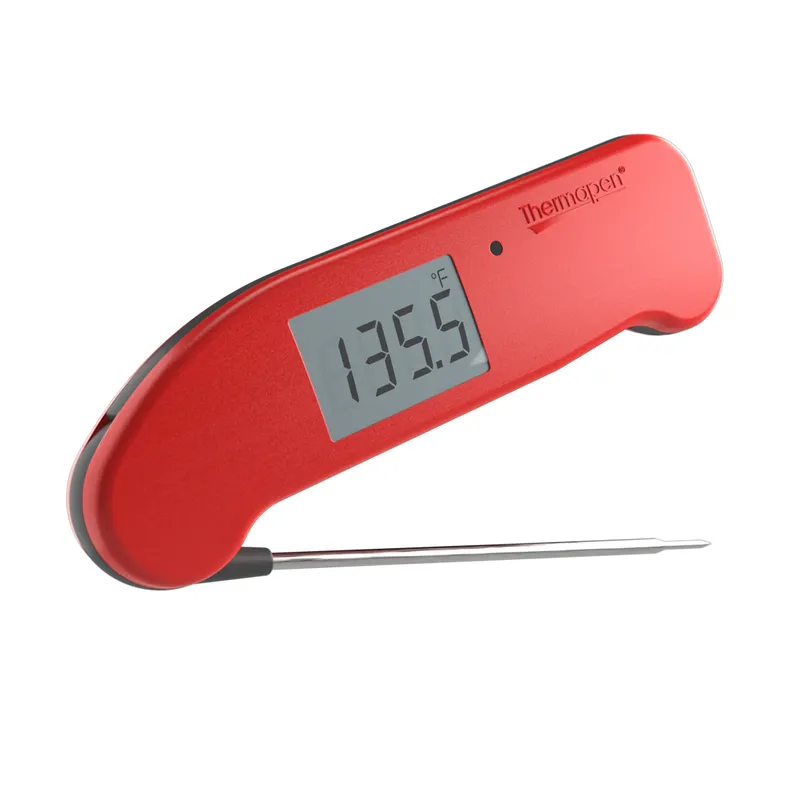
 Official manufacturer image
Our picks
Top picks
Official manufacturer image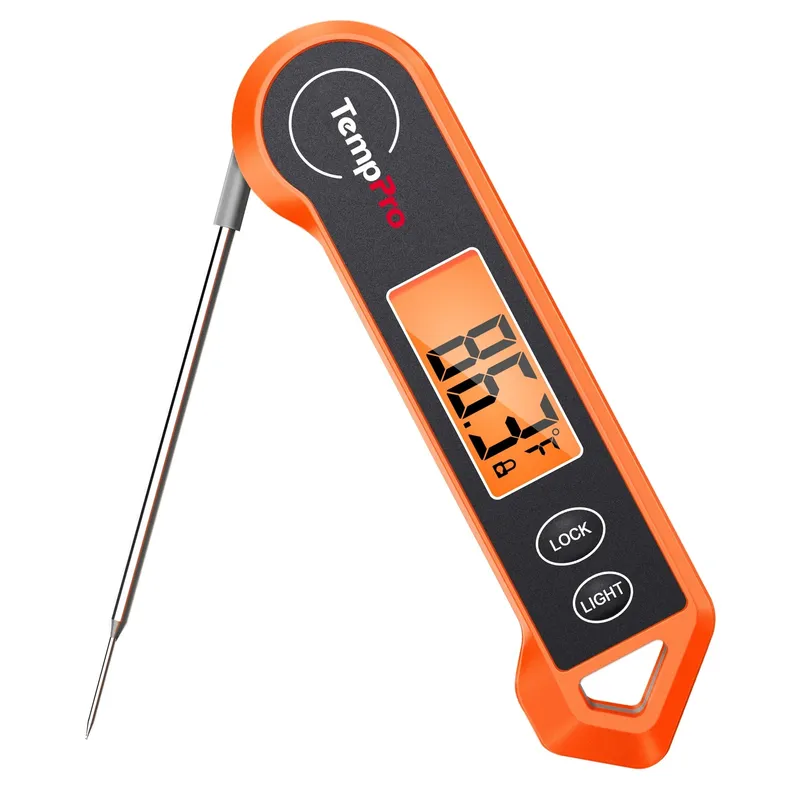 Official manufacturer image
ThermoPro TP19H
Check price on Amazon UK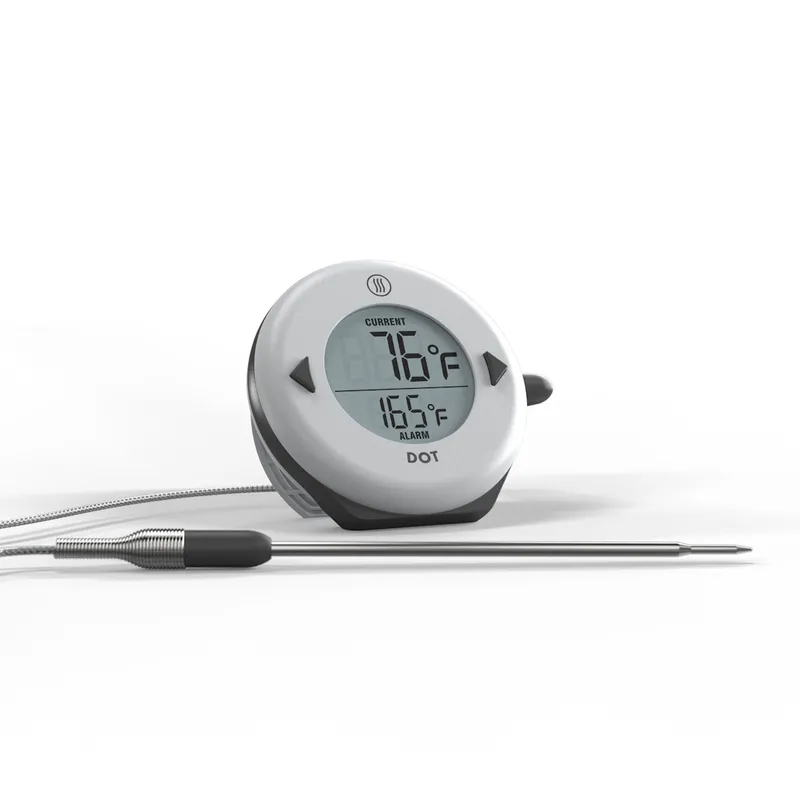 Official manufacturer image
ThermoWorks DOT
Check price on Amazon UKMeat thermometers
Guides and comparisons
Best Cooking Oil Thermometers for Deep Frying
Taylor's Digital Premium High Heat Resistant Candy Thermometer is our top oil pick because its long stem, adjustable clip and programmable alert suit continuous monitoring. ThermoWorks DOT is the simpler alarm alternative.
Can You Use a Meat Thermometer for Frying Oil?
Yes, if its stated range covers the oil temperature and the probe can be immersed without exposing the body or cable beyond its limits. A clip-on oil thermometer is easier for continuous monitoring.
Common questions
Questions before you buy
Can you use a food thermometer for cooking oil?
Yes, if its published range covers the target temperature and the manufacturer permits liquid or frying use. Keep the sensor suspended in the oil rather than against the pan.
Where should an oil thermometer sit in the pan?
Place the sensing area below the oil surface but clear of the bottom and sides. A pan clip helps maintain that position.
Can an instant-read meat thermometer measure frying oil?
It can take a spot reading when its range and instructions allow it, but it must not be left in the pan unless it is specifically a leave-in model.
Why does the oil temperature fall when food is added?
Cool food absorbs heat, so the oil temperature drops. Add manageable batches and wait for recovery rather than crowding the pan.