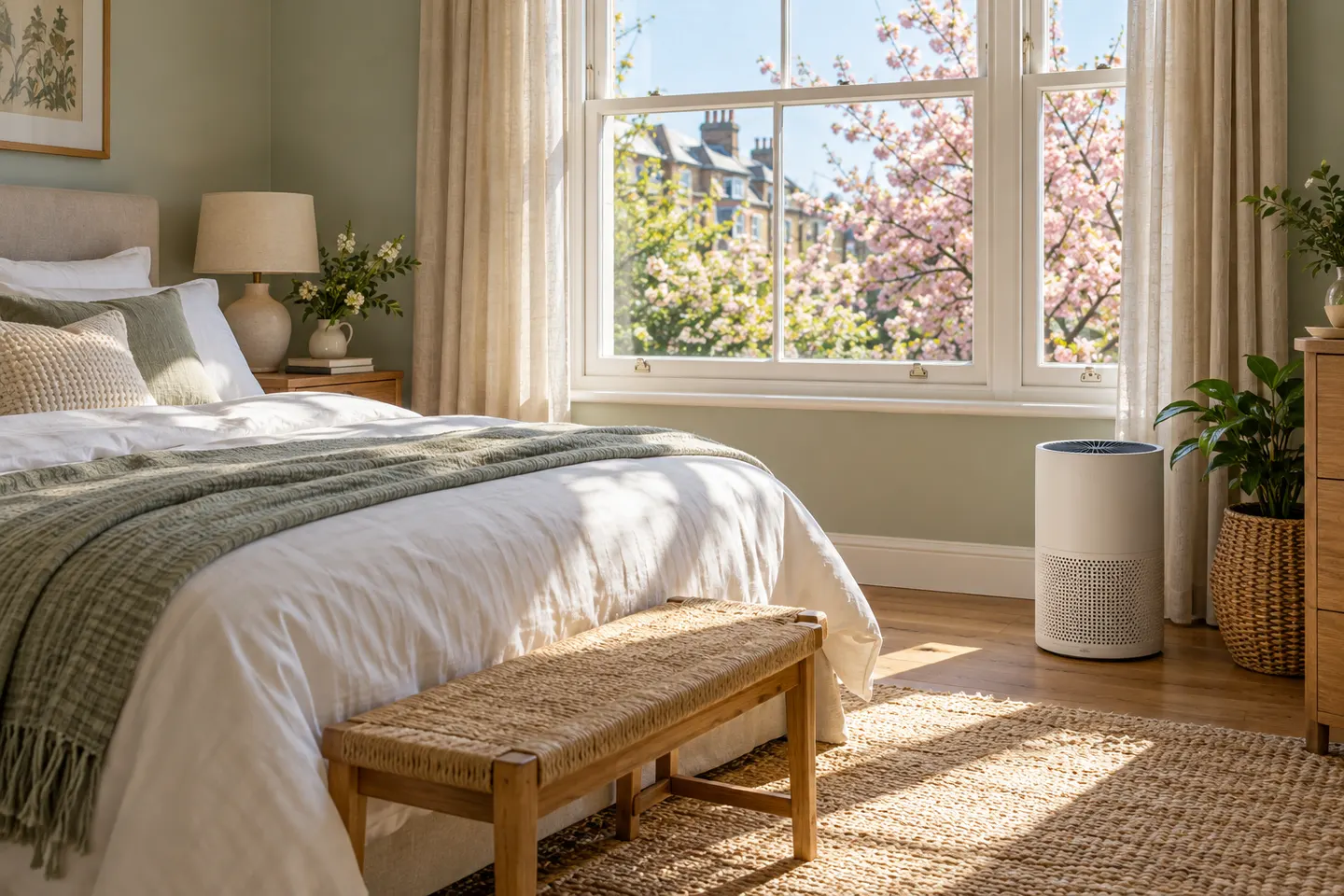
Do Air Purifiers Help with Allergies?
A correctly sized particle-filter purifier can reduce some airborne pollen, dust-mite debris and pet dander. It cannot guarantee symptom relief or replace source control and medical advice.

Air purifiers
A correctly sized particle-filter purifier can reduce some airborne pollen, dust-mite debris and pet dander. It cannot guarantee symptom relief or replace source control and medical advice.
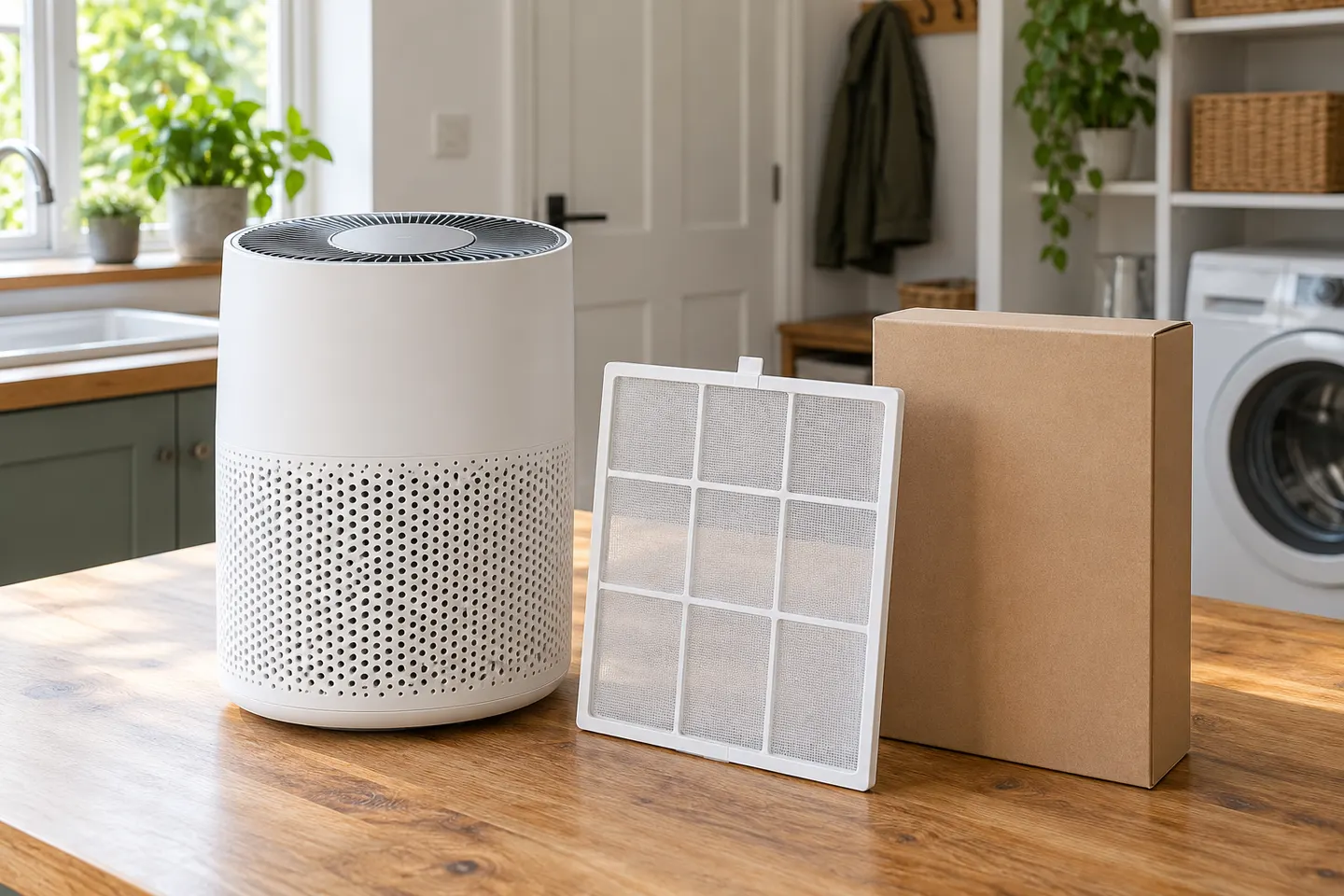
Clean only the parts the manufacturer labels washable. Replace particle and carbon filters on the stated schedule or sooner when the manual says performance has fallen.
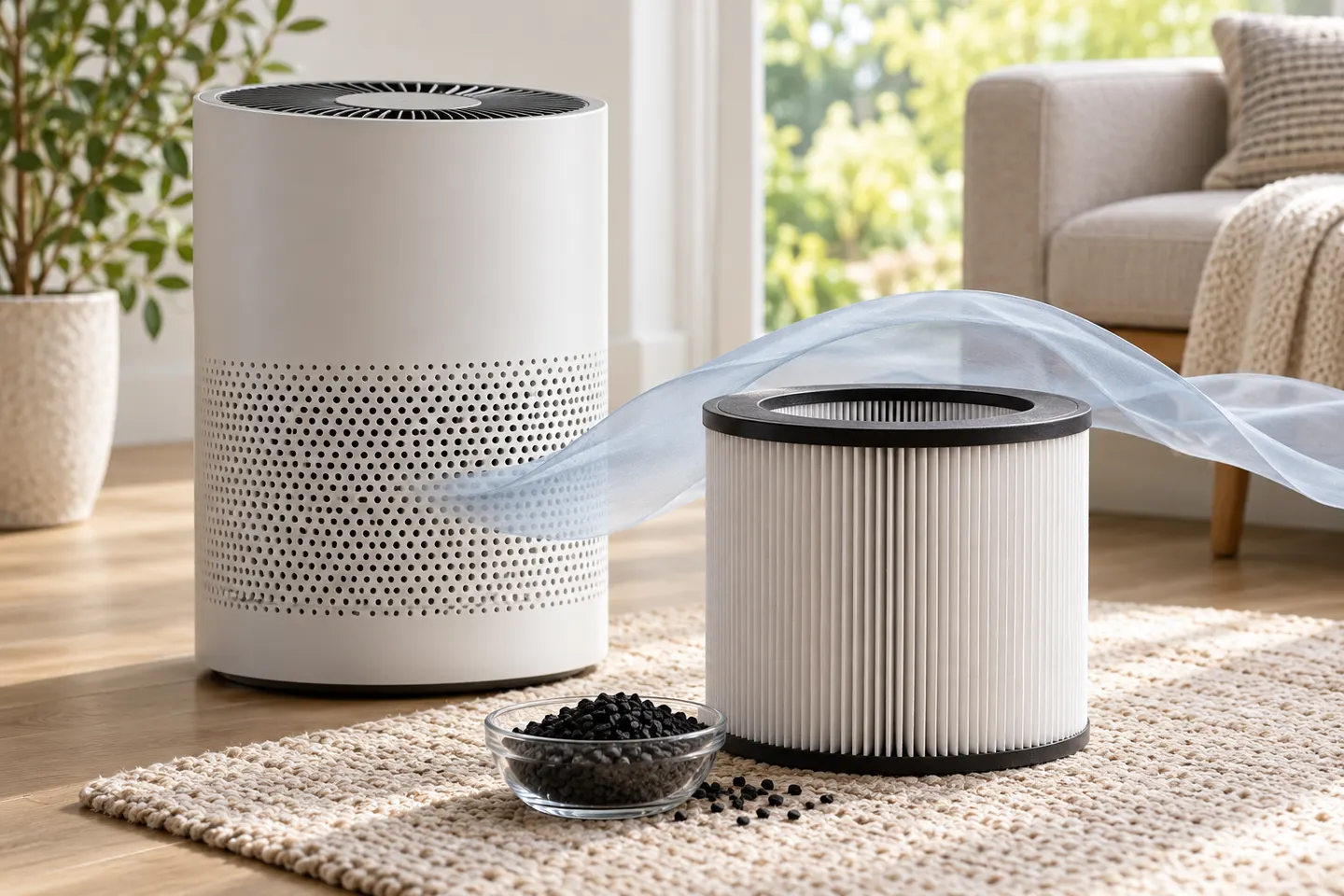
A fan draws room air through one or more filters and returns it to the room. Filter type tells you what it targets; CADR tells you how quickly it delivers filtered air for particles.
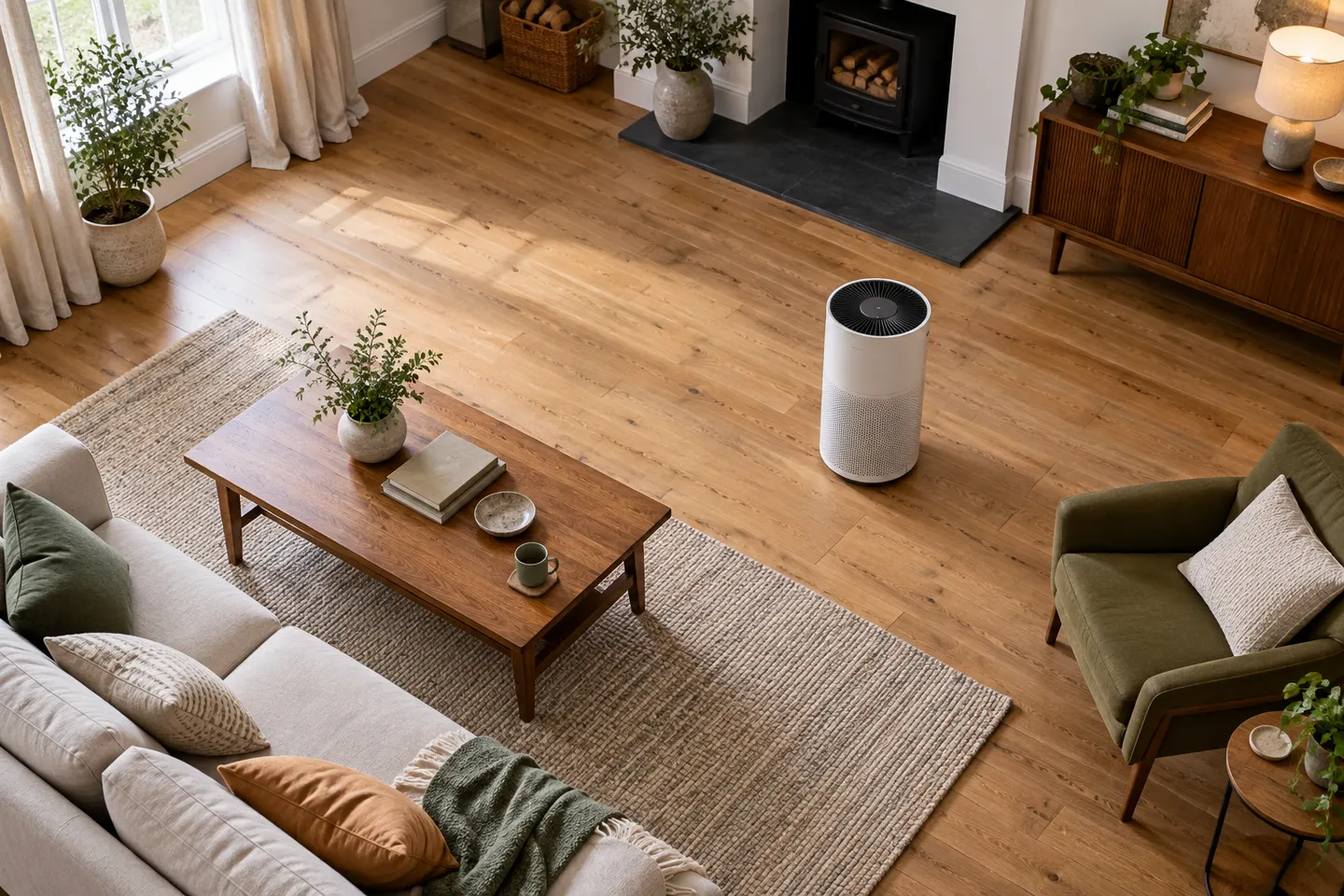
Put it in the room you use, on a stable surface with the manufacturer’s clearance around every intake and outlet. Corners, curtains and furniture can choke airflow.
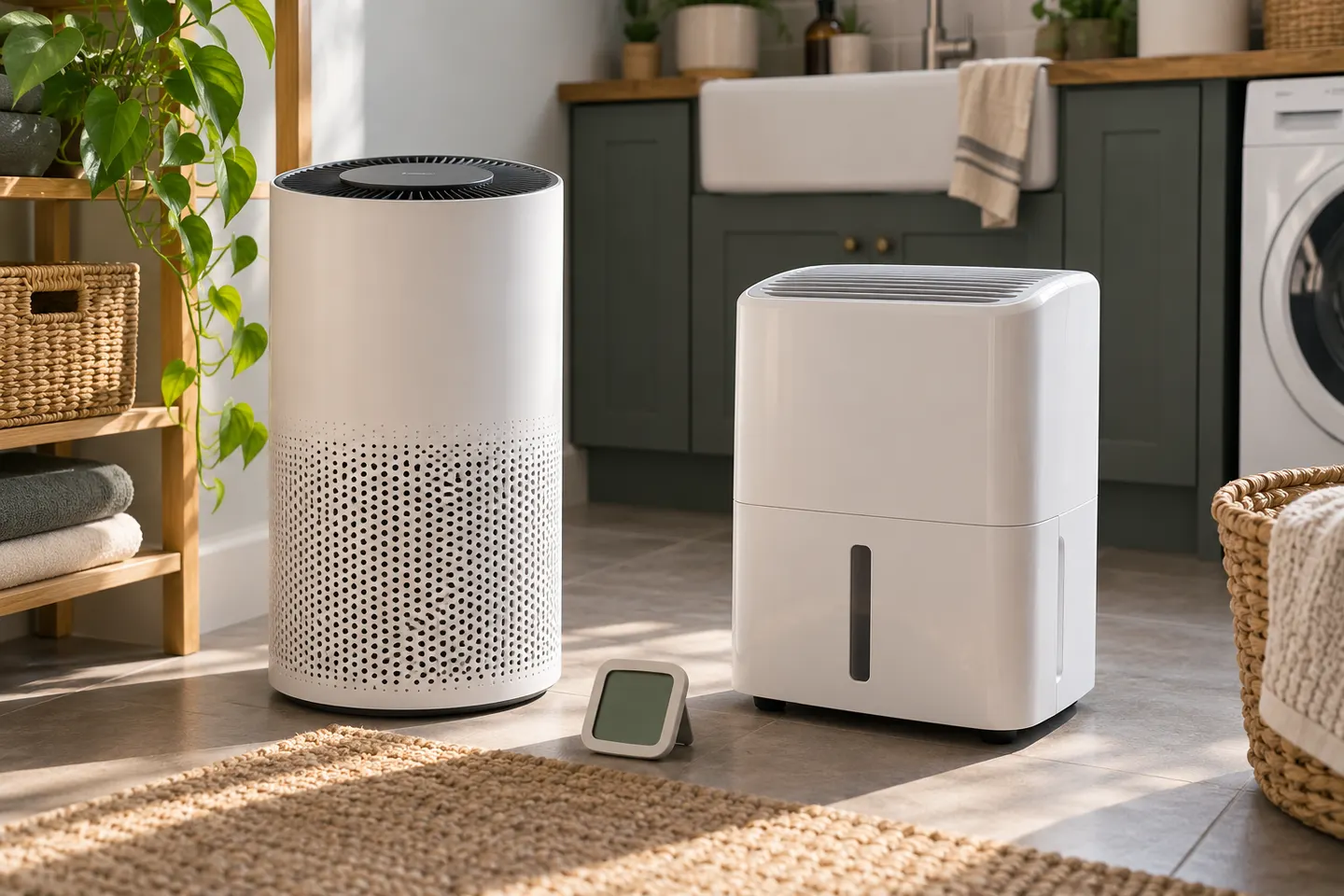
Choose a purifier to filter airborne particles; choose a dehumidifier to lower excess humidity. For damp or visible mould, moisture control comes first.
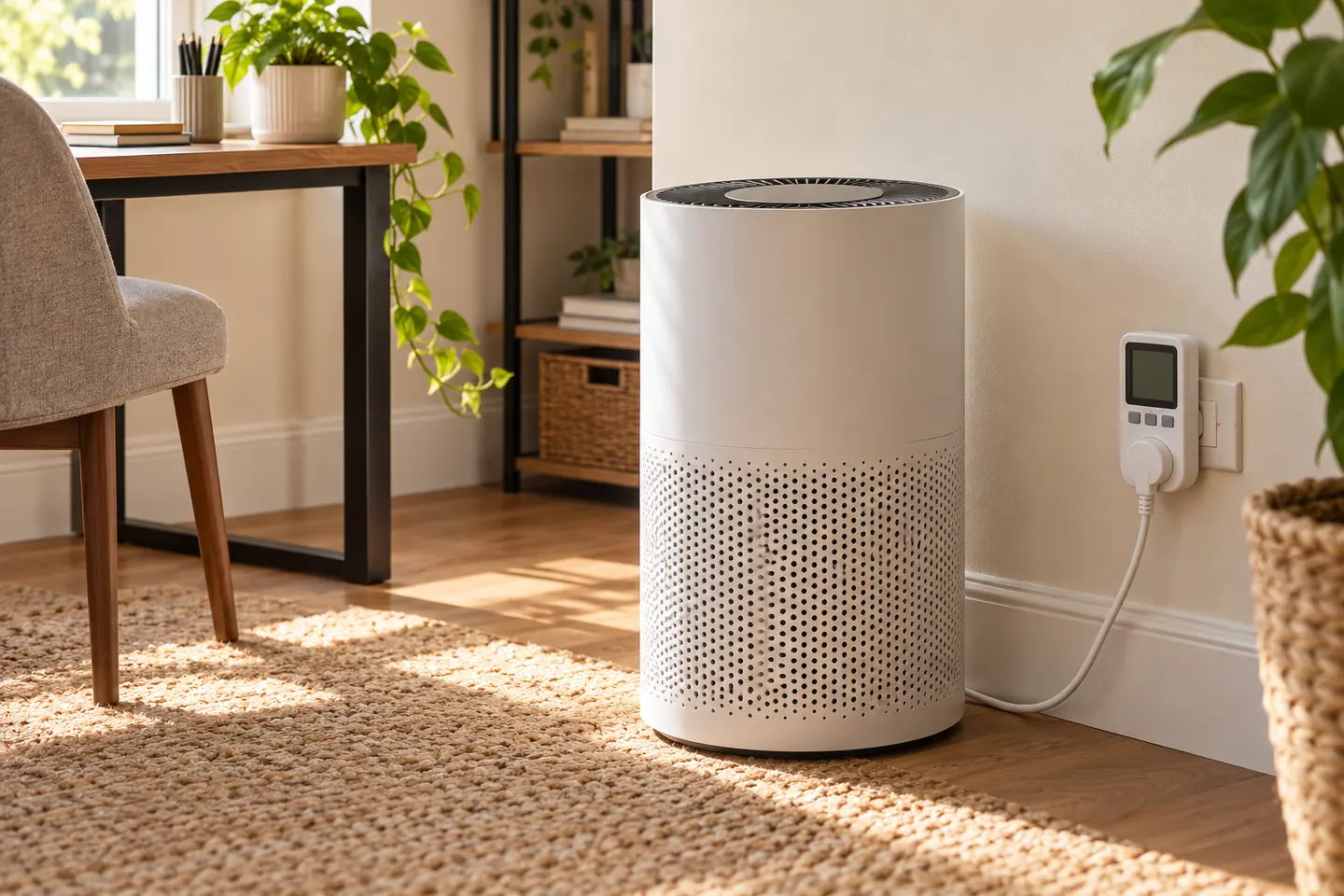
At Ofgem’s 26.32p/kWh average direct-debit rate for October–December 2026, a constant 16 W load costs about 10.1p a day; a constant 20 W load costs about 12.6p.
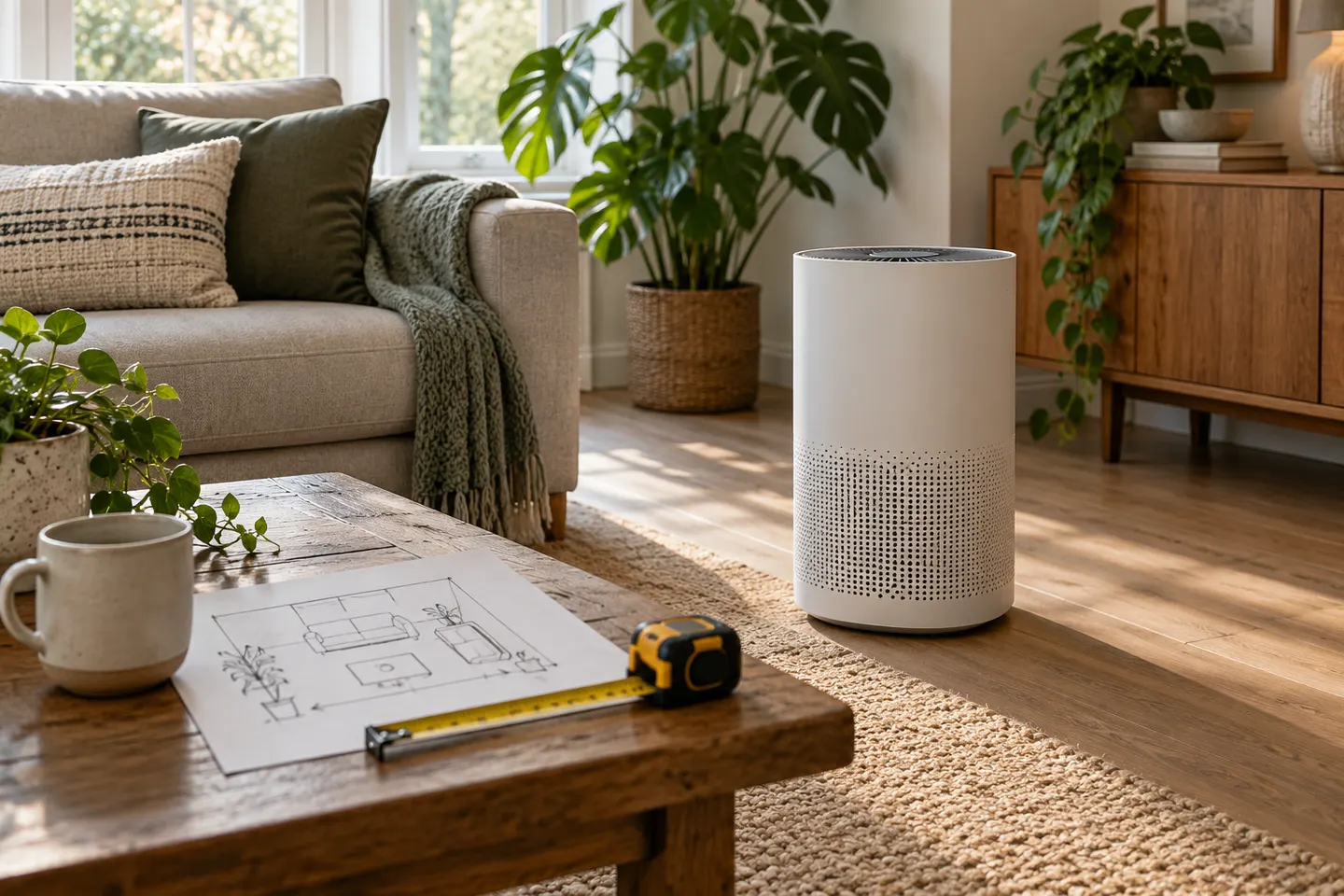
They can be worthwhile when you have a clear target, size the purifier to one room and keep up with filters. They are poor value when used instead of source control or ventilation.
Learn how to choose an air purifier by room volume, CADR, filtration, noise and upkeep, including what size air purifier you need.