



 Official manufacturer image
Our picks
Top picks
Official manufacturer image Official manufacturer image
Garmin Dash Cam Mini 3
Check price on Amazon Official manufacturer image
Garmin Dash Cam X310
Check price on AmazonBy feature
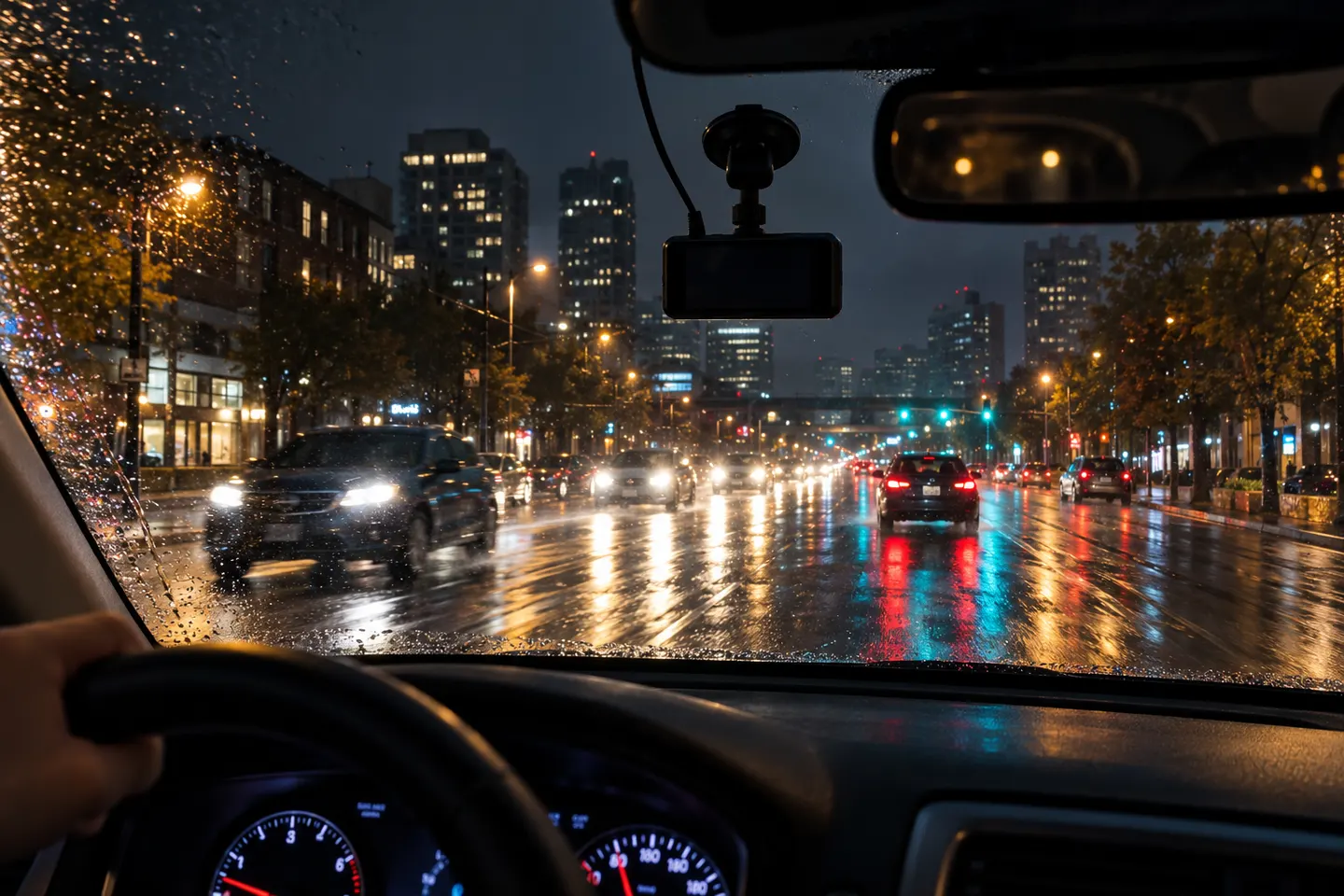 Night
Night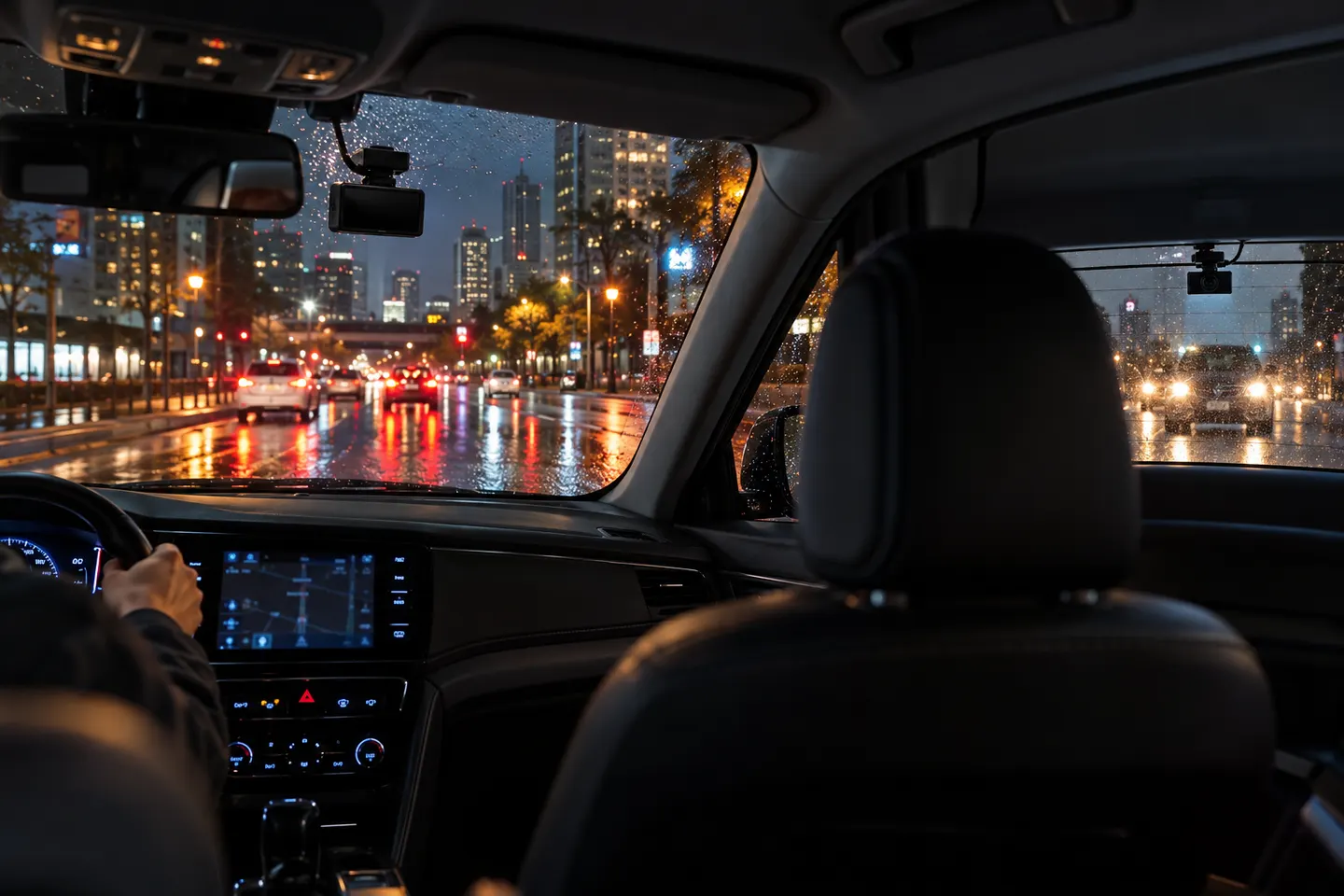 Front rear night vision
Common questions
Questions before you buy
Why is my dash cam blurry at night?
Low light forces longer exposure or stronger processing, which can blur moving vehicles and amplify noise. Dirty glass, poor focus and windshield reflections can make the result worse.
Does 4K make a dash cam better at night?
Not by itself. Resolution records more pixels, but sensor sensitivity, optics, exposure and motion determine whether those pixels contain usable detail.
Should HDR be on for night driving?
HDR can help with bright headlights and shadow detail on supported cameras. Test the maker's recommended setting because processing and frame-rate tradeoffs vary.
Will a polarizing filter improve night footage?
It may reduce dashboard and windshield reflections, but it also cuts some light. Correct rotation and clean glass are essential, and results depend on the scene.