



 Official manufacturer image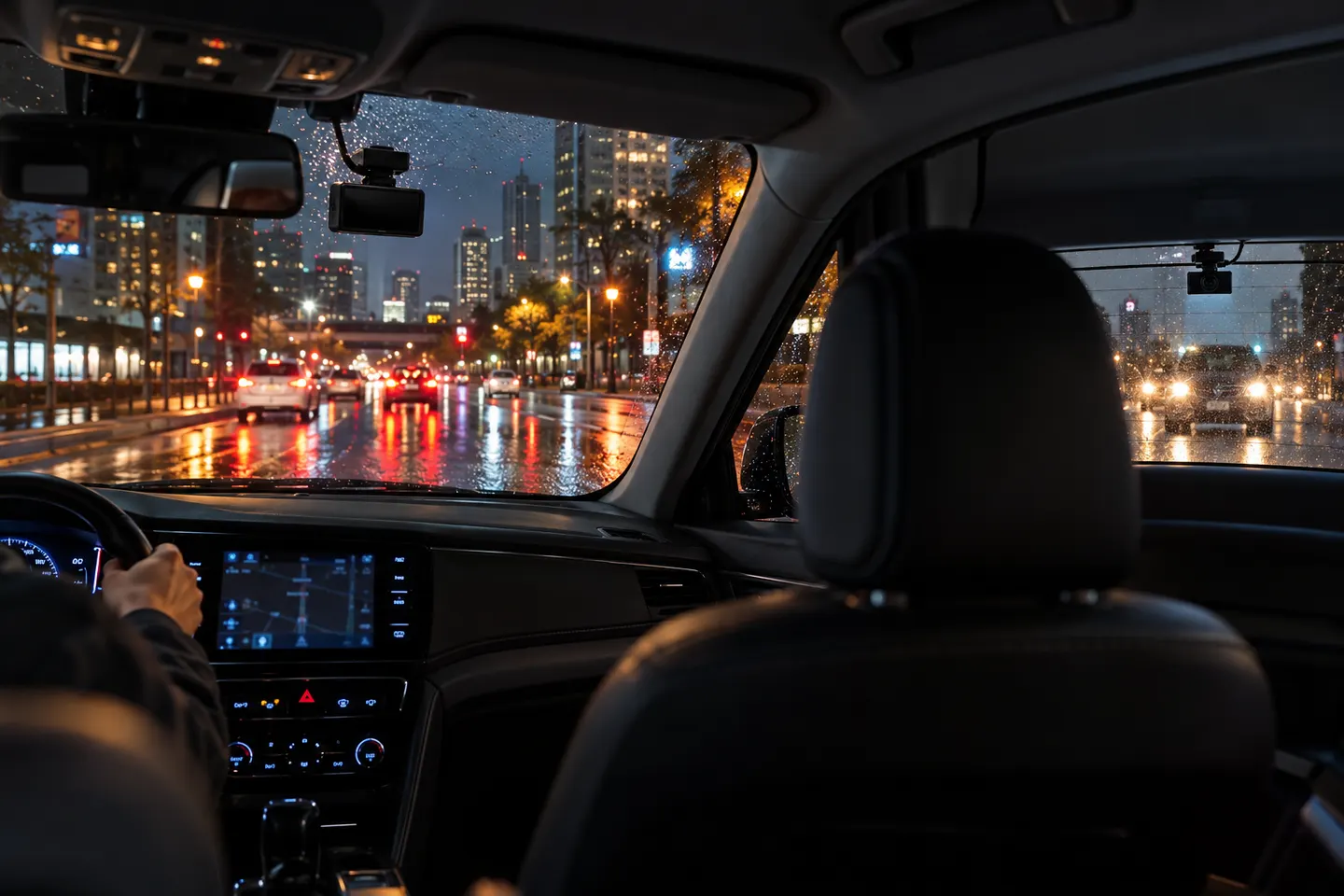
Our picks
Top picks
Official manufacturer image Official manufacturer image
Garmin Dash Cam Mini 3
Check price on Amazon Official manufacturer image
Garmin Dash Cam X310
Check price on AmazonBy feature
 Front rear
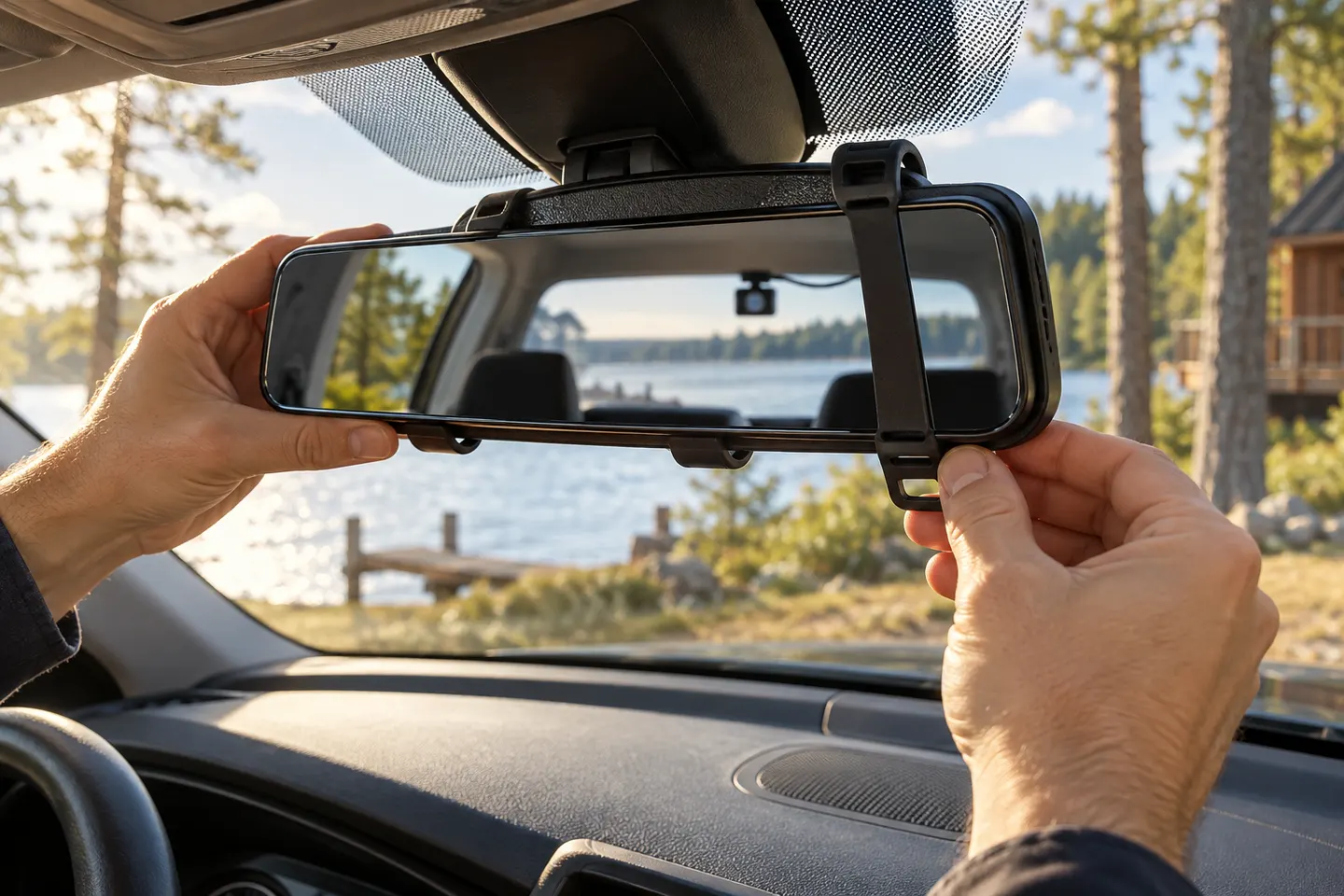 Rear view mirror
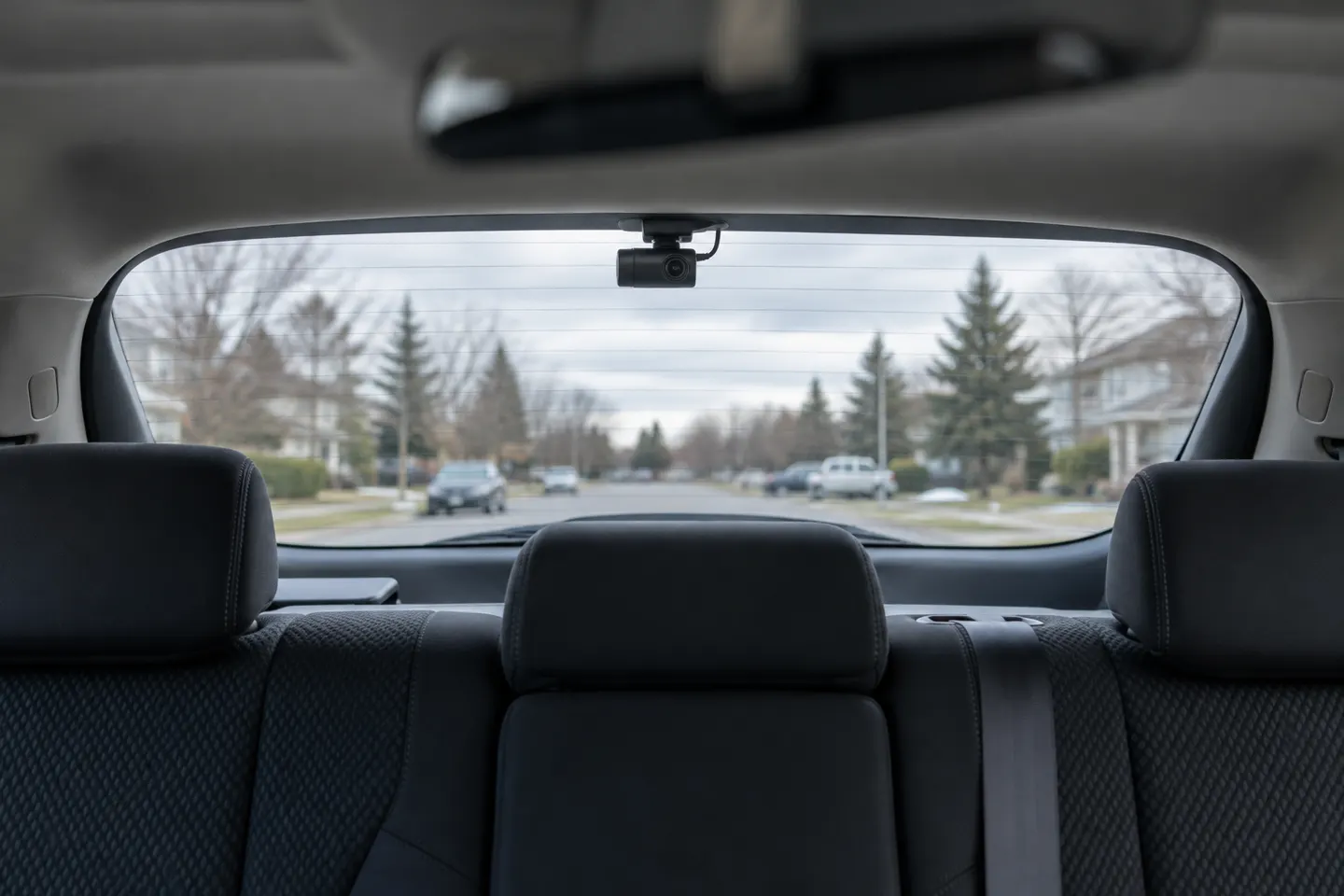 Rear
Rear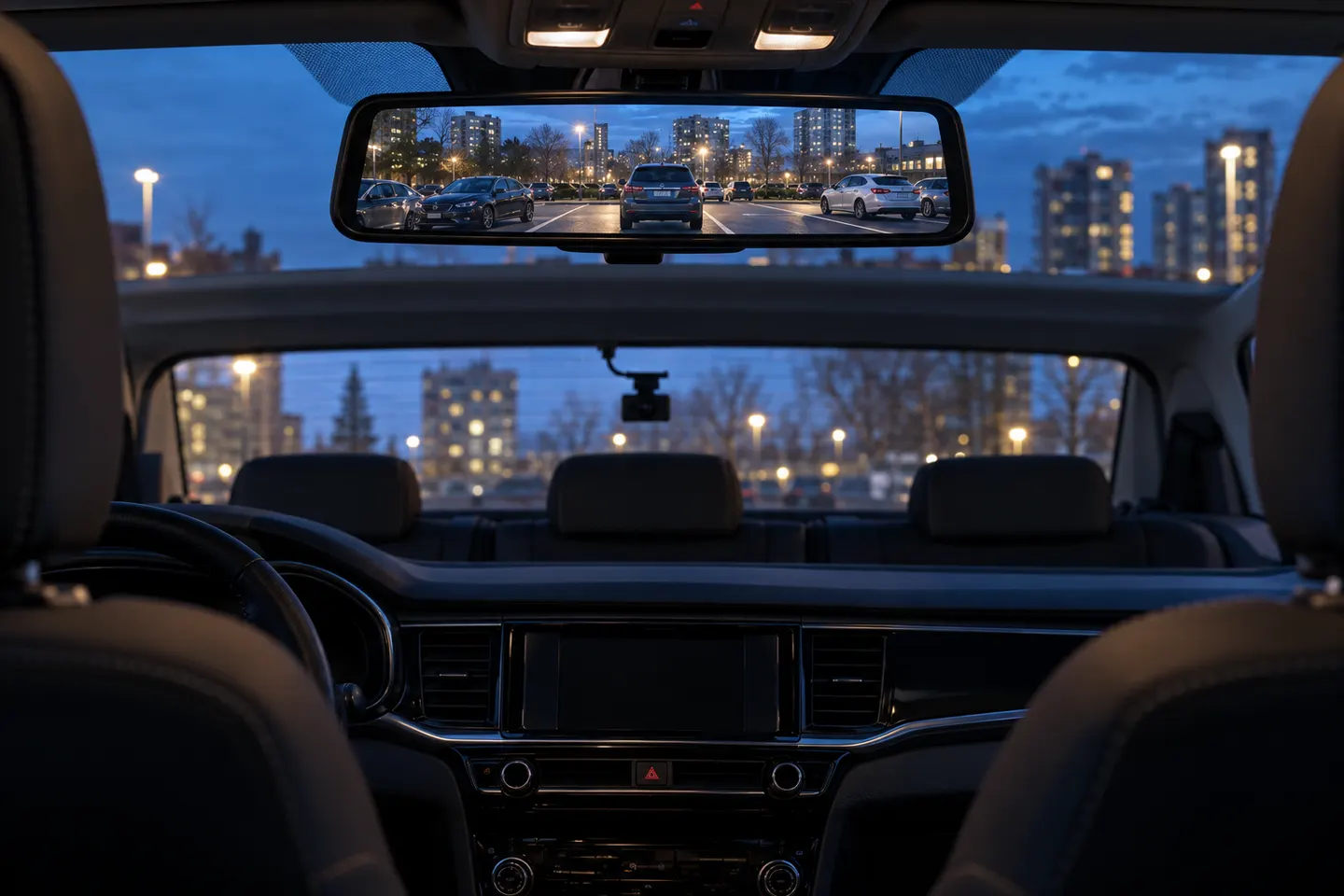 Rear view
Show all (7)
Common questions
Questions before you buy
Do front and rear dash cams have night vision?
Many advertise low-light or night recording, but performance depends on both cameras' sensors, lenses, and processing. The rear channel may be less capable than the front.
Does infrared improve nighttime road footage?
Infrared is most effective over short distances inside the cabin. Through a windshield, reflections and limited range make it less useful than a good visible-light sensor and HDR.
Can a rear dash cam see through tinted glass at night?
Tint reduces available light, so footage may become darker or noisier. An externally mounted compatible rear camera avoids the tint but needs weatherproofing and a more involved installation.
Why are license plates blurry at night?
Motion, distance, glare, exposure, and reflective plates can overwhelm a frame. Higher resolution alone does not guarantee a readable plate in every nighttime condition.