


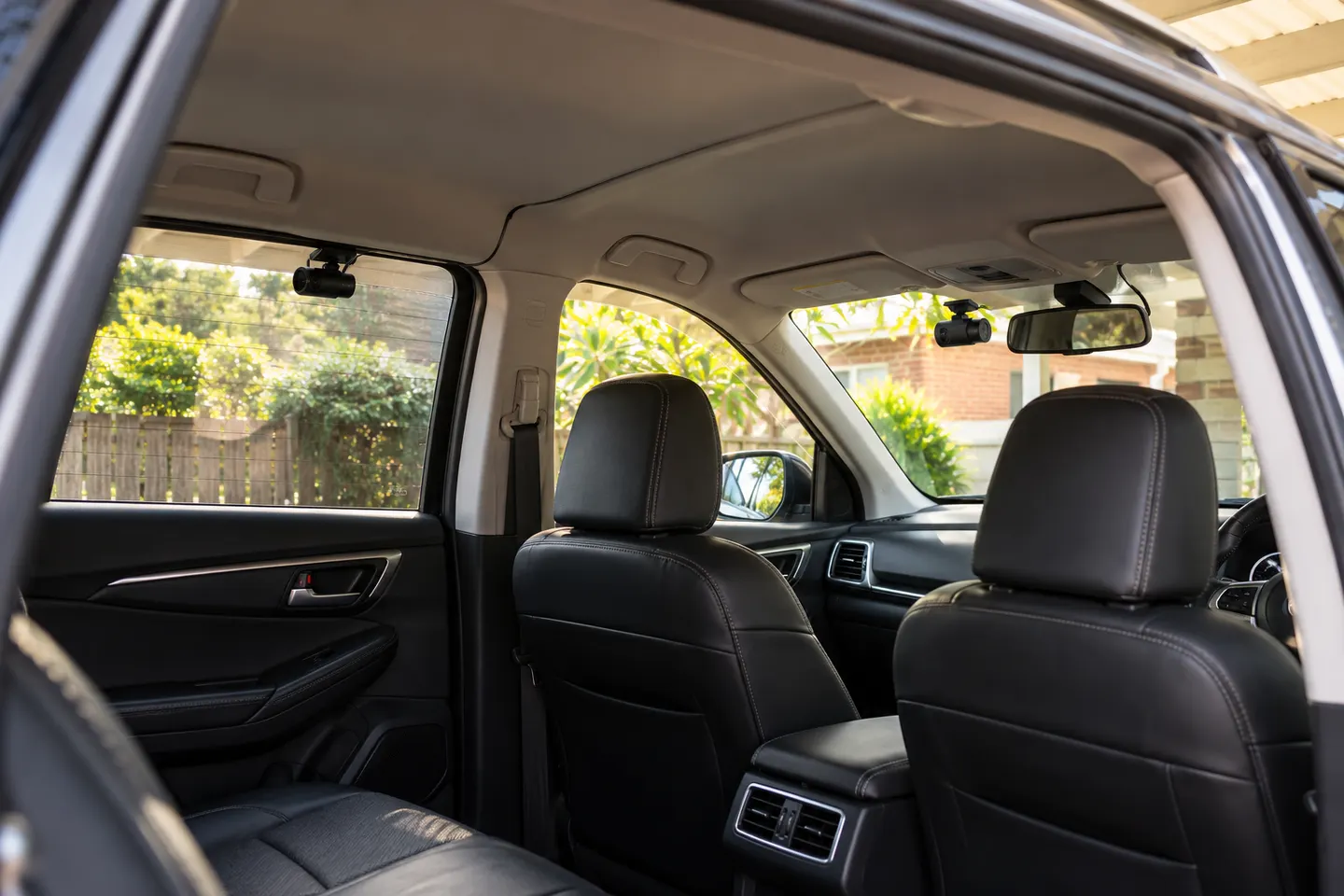
Best Front and Rear Dash Cams for 2026
VIOFO A329S 2CH leads for 4K 60 fps front and 2K rear recording. A229 Pro is the more measured alternative, while REDTIGER F7NP emphasizes a wide front view.

Start here
VIOFO A329S 2CH leads for 4K 60 fps front and 2K rear recording. A229 Pro is the more measured alternative, while REDTIGER F7NP emphasizes a wide front view.
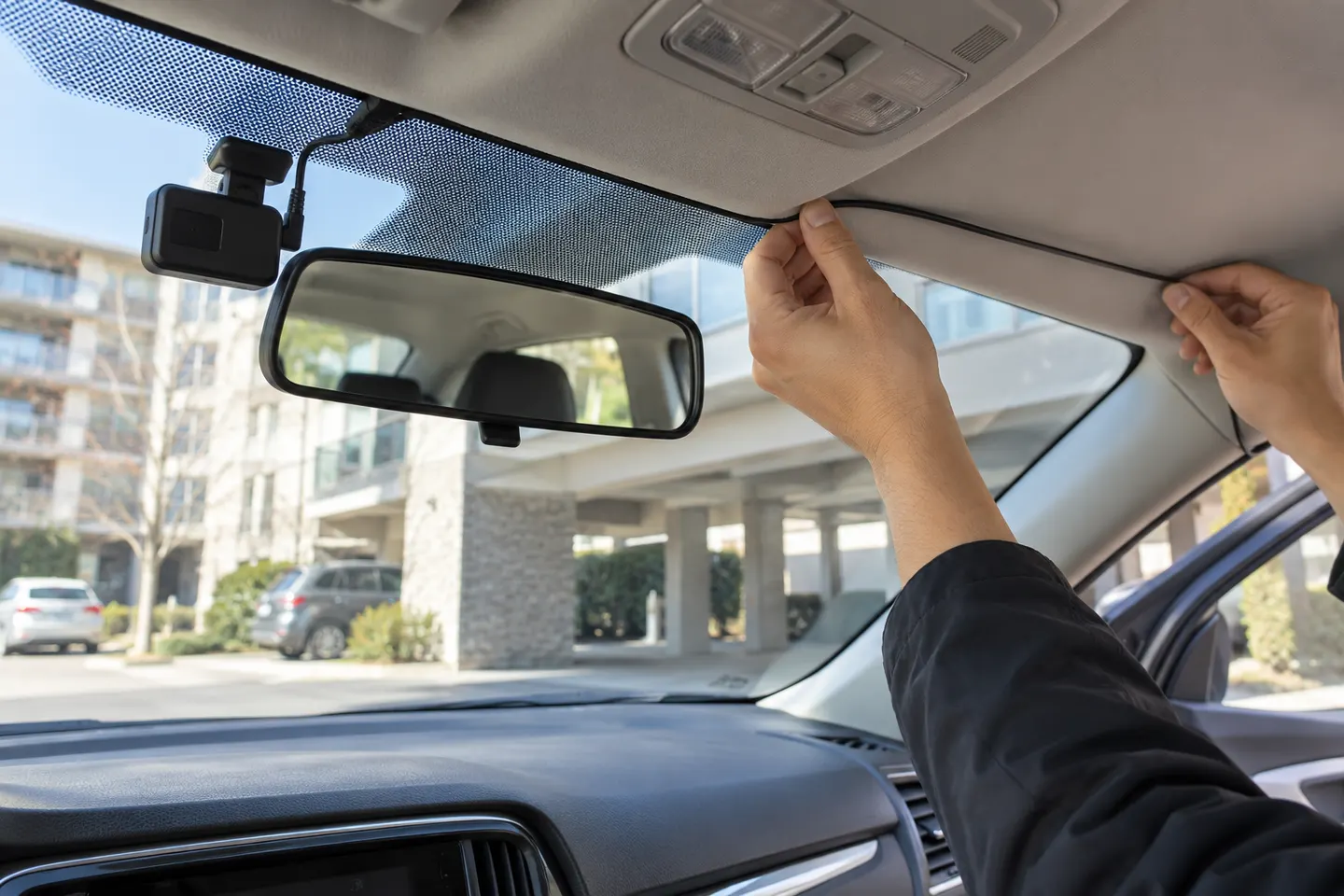
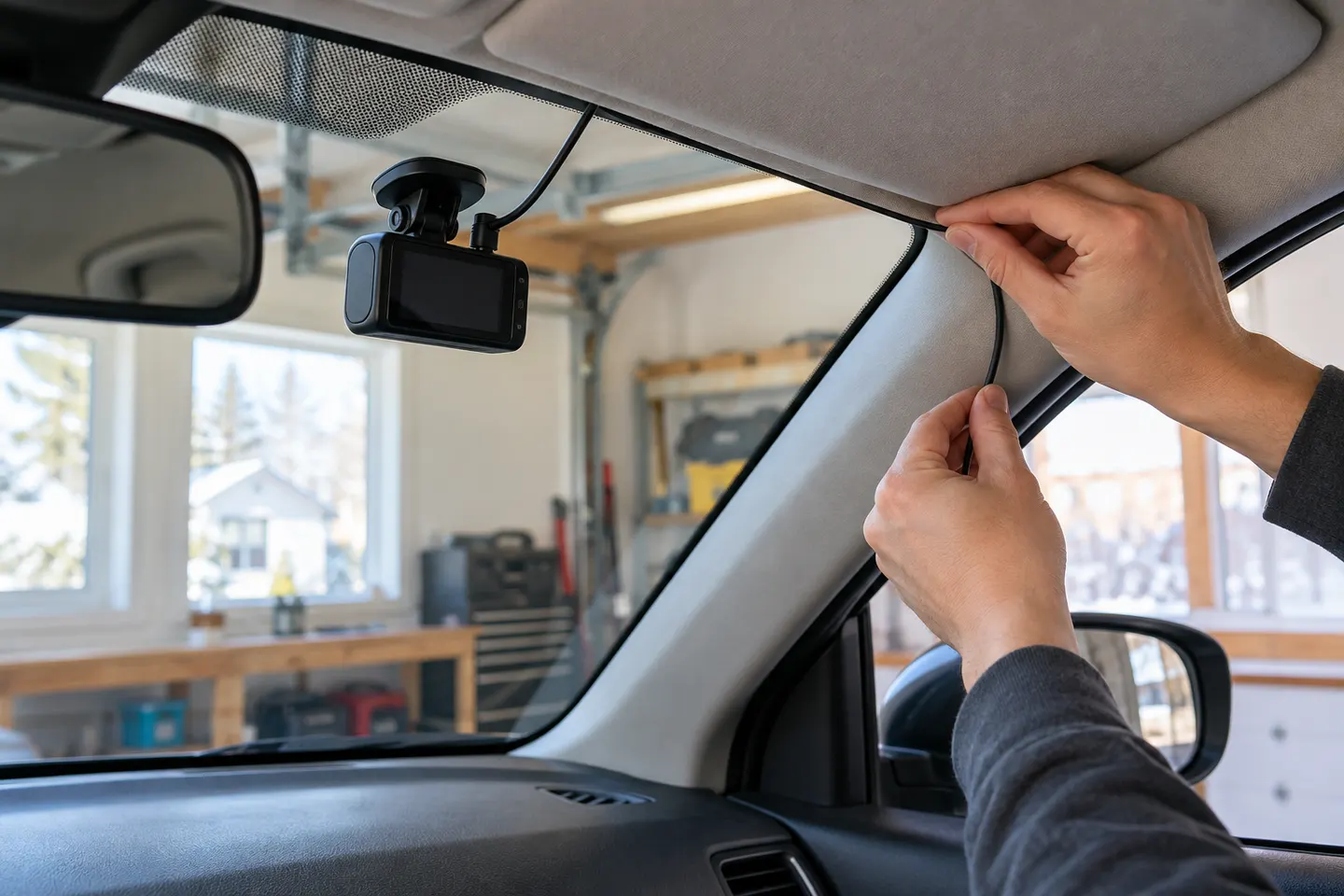
Mount the camera where it has a clear road view without obstructing the driver, then route power away from airbags and controls. Test the recording before hiding every cable.
Our picks
 Official manufacturer image
 Official manufacturer image
 Official manufacturer image
Common questions
Usually high and near the center of the rear glass, within the wiper-cleared area and without blocking the driver's view. Follow the camera and vehicle manuals.
Leave controlled slack for hatch movement and use the factory rubber conduit only if the connector fits without damage. Do not trap the cable in hinges or weather seals.
Do not route it across or over a curtain airbag. Consult the vehicle service information or use a qualified installer when the safe path is unclear.
Dark or reflective film can reduce detail, especially at night. Test the image through the actual glass before fixing the mount permanently.
 Front rear
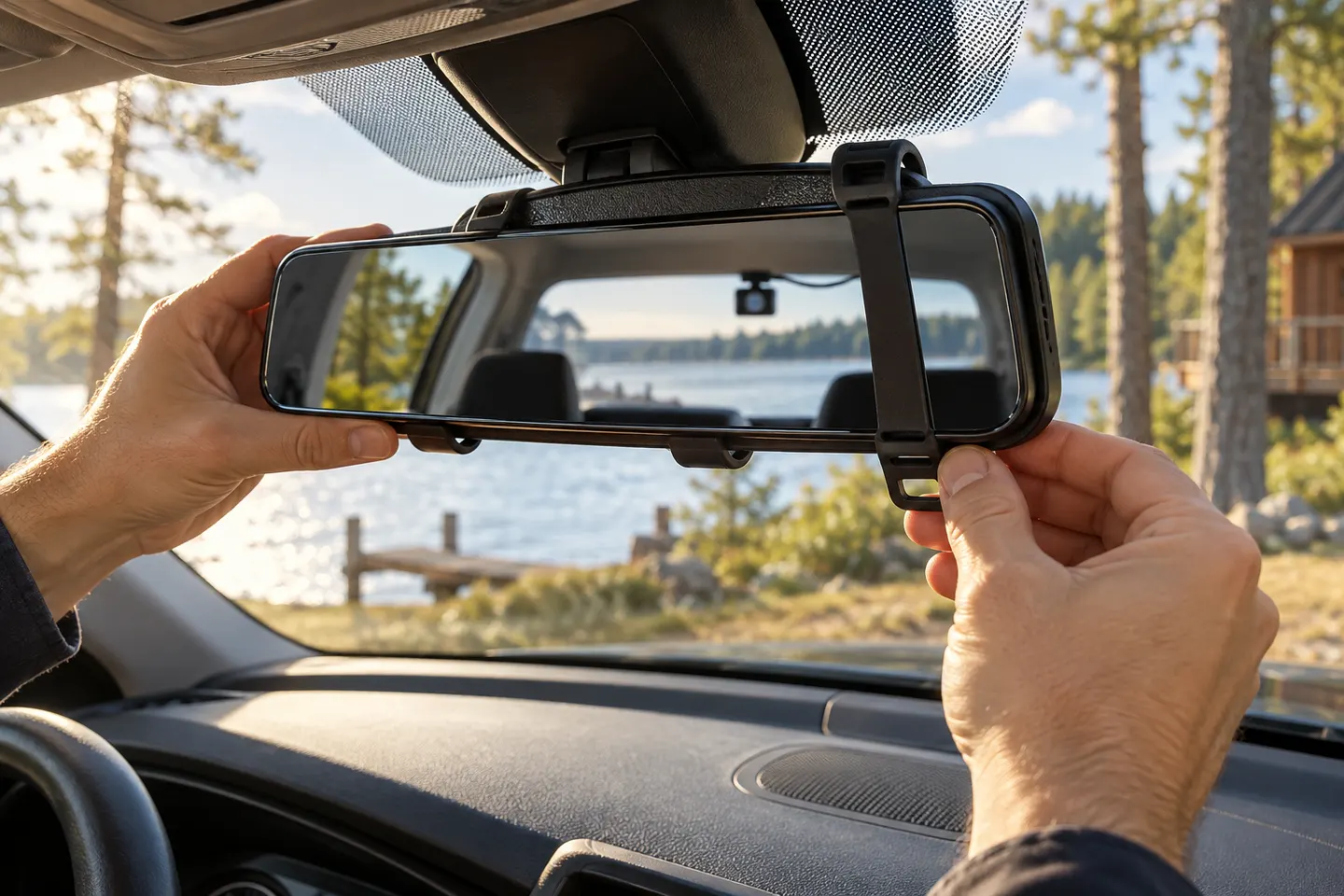 Rear view mirror
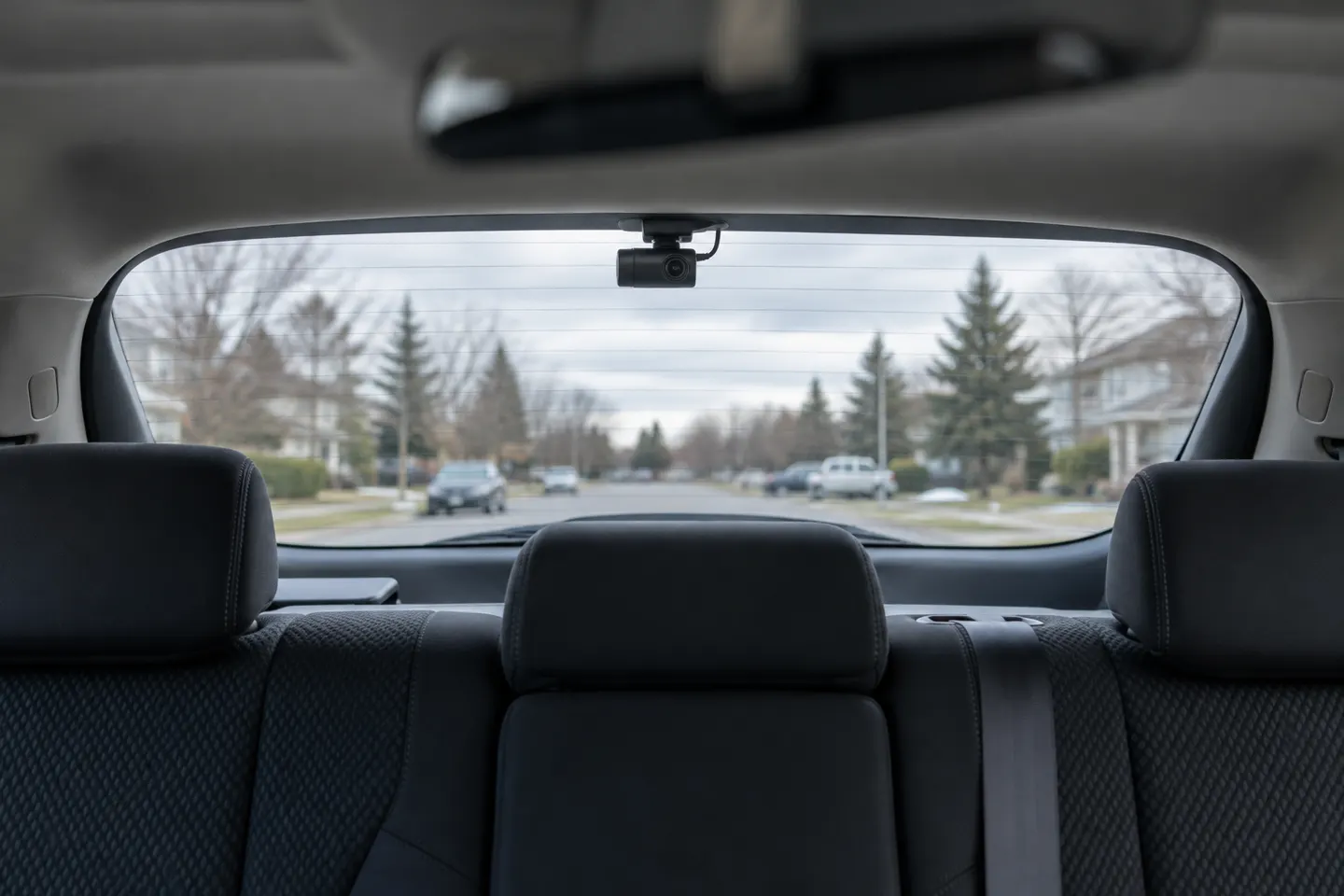 Rear
Rear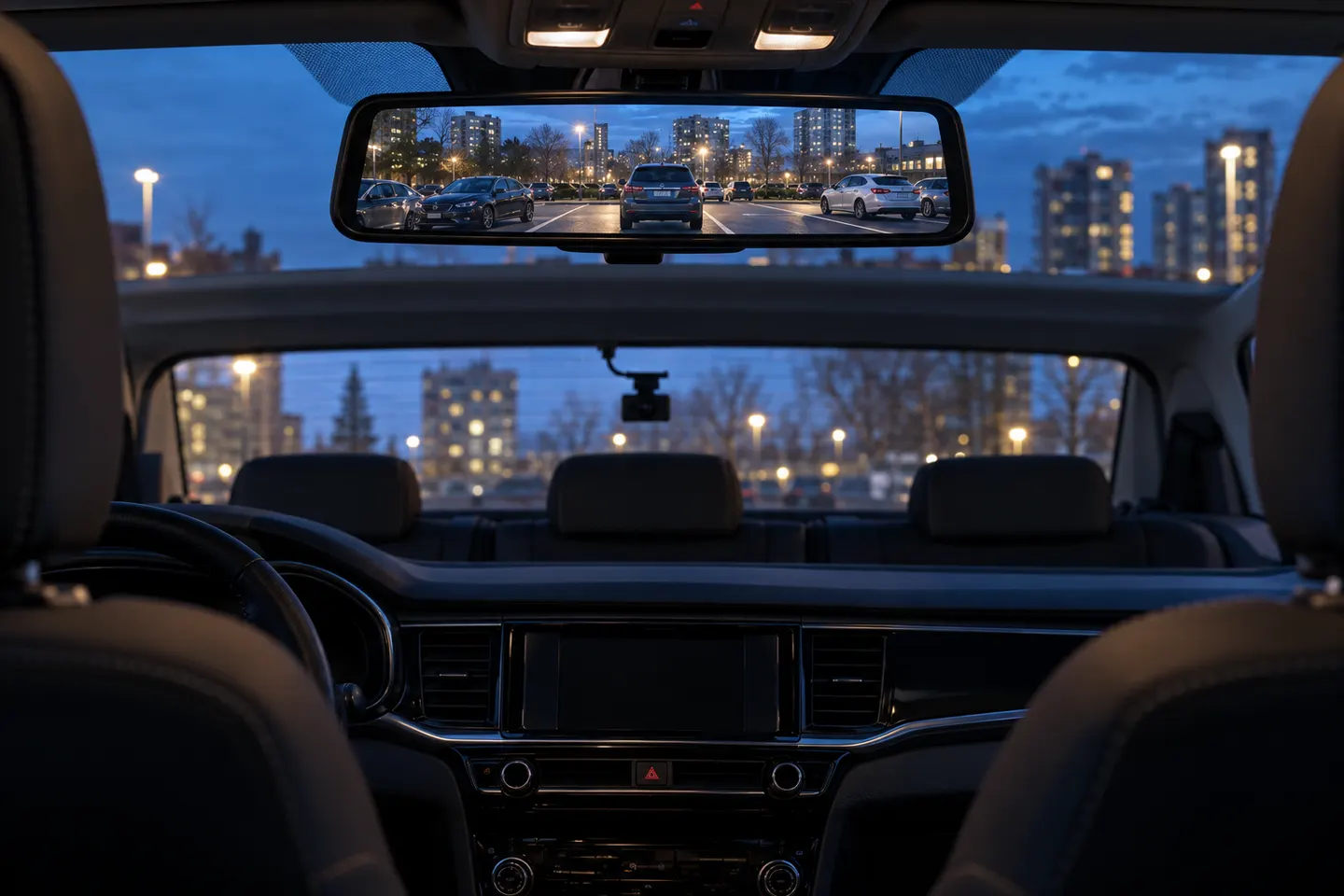 Rear view
 Install