



 Official manufacturer image
Our picks
Top picks
Official manufacturer image Official manufacturer image
Garmin Dash Cam Mini 3
Check price on Amazon Official manufacturer image
Garmin Dash Cam X310
Check price on AmazonBy feature
 Front rear
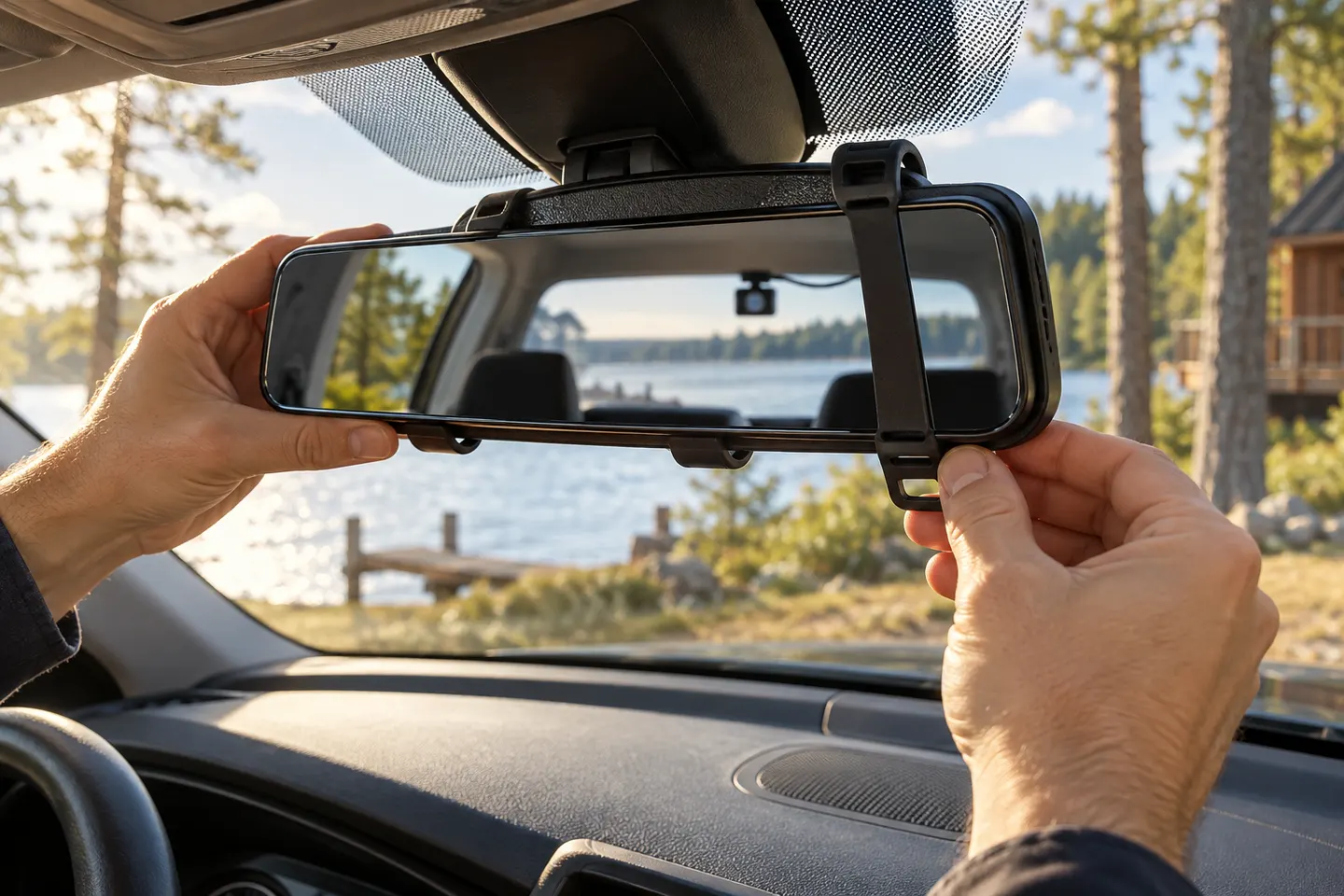 Rear view mirror
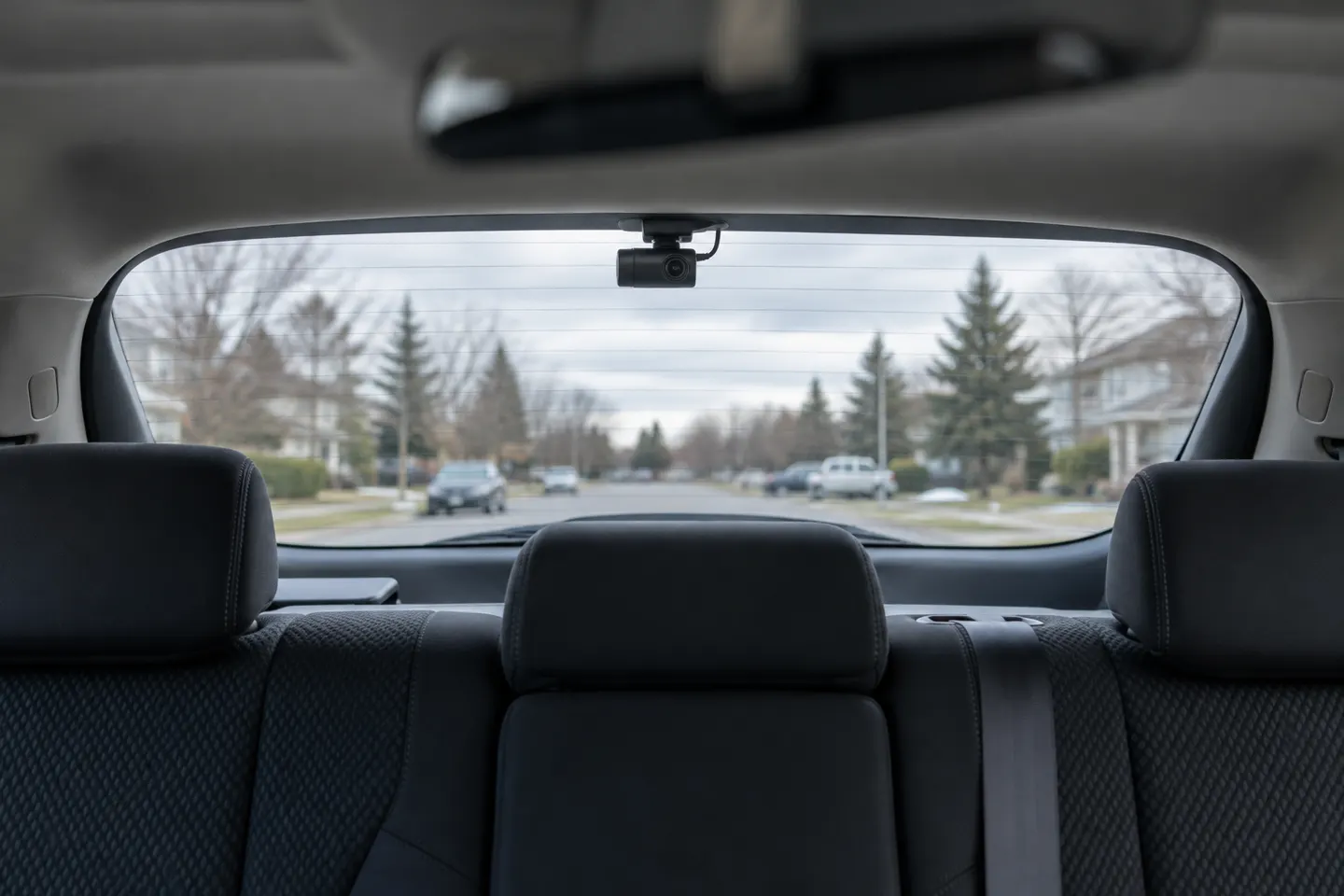 Rear
RearShow all (7)
Common questions
Questions before you buy
What is a rear vision mirror dash cam?
It is a recording system whose display occupies the rearview-mirror area, typically paired with a front lens and a separate rear camera. Some models can show the rear feed continuously.
Can a mirror dash cam replace the normal rearview mirror?
That depends on its design, installation, and applicable vehicle rules. Check whether the screen surface remains usable as a mirror when off and whether the mount preserves required visibility.
Where should the rear camera be installed?
It may mount inside the rear window or externally near the back of the vehicle. The choice affects weather exposure, glare, dirt, cable routing, and the angle used for recording or reversing.
Does a rear vision mirror dash cam work at night?
It can, but results vary with the rear sensor, lens, tint, headlights, reflections, and screen brightness. Examine nighttime footage from the exact model and vehicle-like conditions.
Is the rear camera image reversed?
Live reversing views are often mirrored for familiar orientation, while recorded files may use a different setting. Check the manual and menu options before installation.