



 Official manufacturer image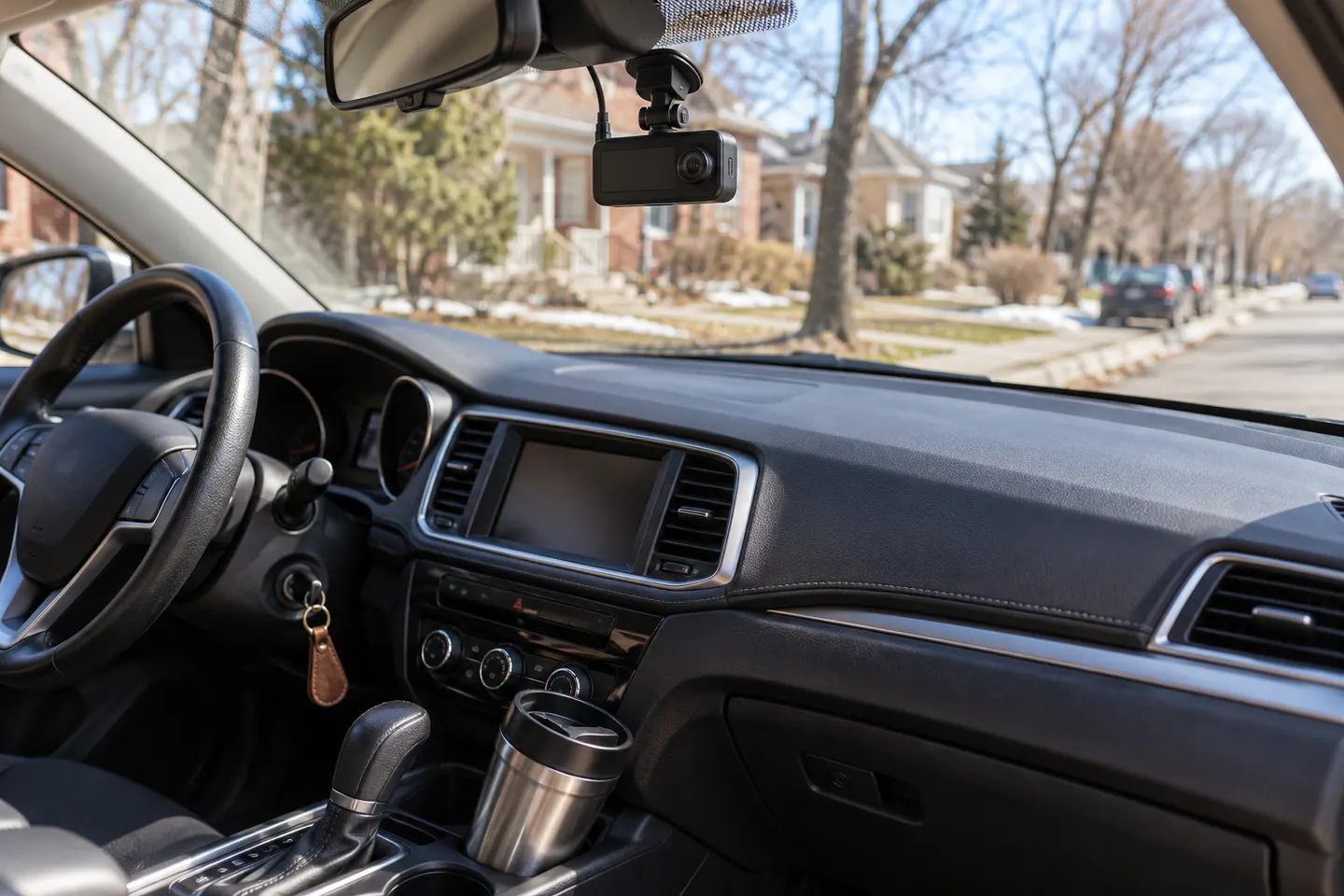
Our picks
Top picks
Official manufacturer image Official manufacturer image
Garmin Dash Cam Mini 3
Check price on Amazon.ca Official manufacturer image
Thinkware U3000
Check price on Amazon.caHow-to guides
 What Is a G-Sensor on a Dash Cam and How Does It…
Common questions
Questions before you buy
What does a G-sensor do on a dash cam?
It detects sudden changes in acceleration and tells the camera to mark or protect the current clip. The exact trigger threshold and protected duration are model-specific.
What G-sensor sensitivity should I use?
Start with the manufacturer's default. Lower sensitivity if rough roads create frequent locked clips; raise it only if meaningful impacts are not being detected.
Does a G-sensor work when the car is parked?
It can when the camera has power and a supported parking mode. Some systems wake after an impact, while others buffer or record continuously at a reduced rate.
Can G-sensor footage be overwritten?
Protected clips are usually separated from normal loop files, but the protected area can fill or be managed differently. Back up important footage as soon as possible.