Gearjury may earn a commission from qualifying purchases. Our recommendations are based on published evidence.
Best picks
Best Air Purifier for Mould in the UK: What 5 Models Can Do
An air purifier does not remove mould growth or fix damp. This comparison covers five models’ published airflow and room figures for airborne particles, alongside the separate need to address moisture and visible mould.
GGearjury editorial team · Updated 14 October 2026
Quick answer
An air purifier does not remove mould from walls, furniture or other surfaces, and it does not fix the moisture that allows mould to grow. A suitable filter may capture some airborne particles as room air passes through it, but these manufacturer pages do not verify mould-spore removal or a health benefit. We compare five models by published CADR and room figures only. Find and address the source of damp; consider a dehumidifier where appropriate, and follow reliable advice for mould cleanup.
A purifier cannot remove mould
A room air purifier does not remove mould growing on a surface or correct damp. Do not treat filtration as mould remediation. Address the moisture source and follow appropriate cleanup guidance. A dehumidifier serves a different purpose by reducing moisture; it does not replace mould cleanup.
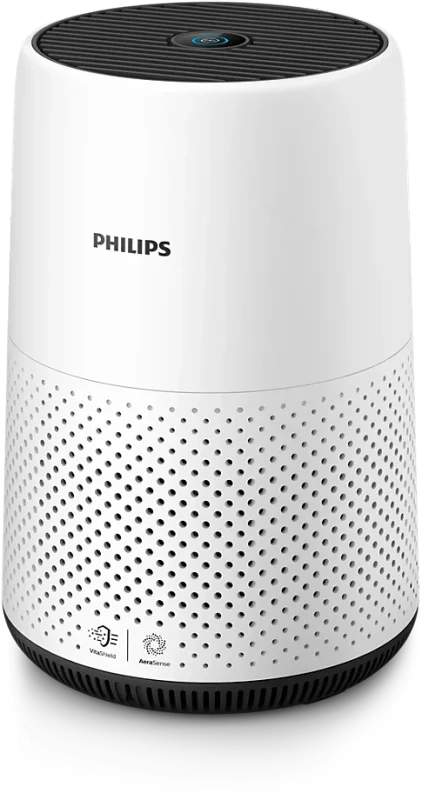
Philips publishes a 190 m³/h CADR and a 20 m² cleaning-time footnote. This supports comparing particle-cleaning specifications only; the manufacturer page does not claim mould removal or mould treatment.
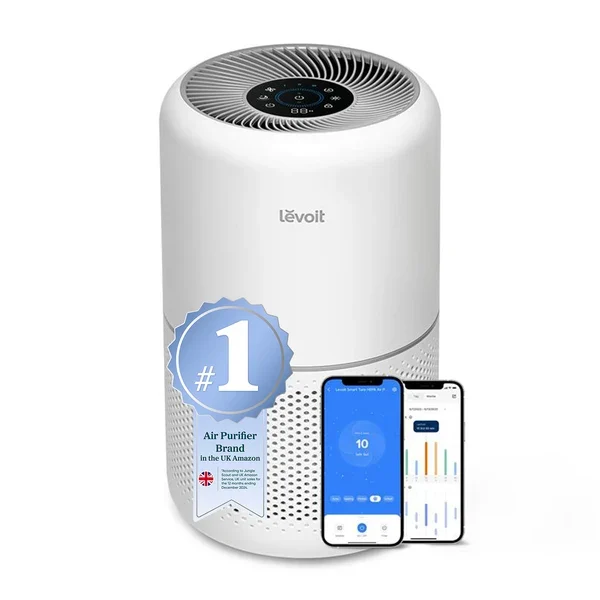
Levoit publishes a 50 m² figure at two air changes per hour and a 6–8 month filter interval. It does not claim to remove mould or correct damp; its page does not publish CADR.
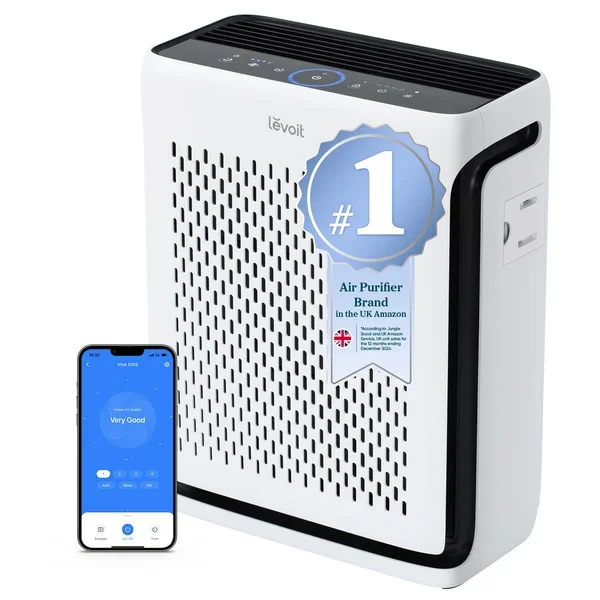
Levoit gives a CADR of 243 m³/h and 20.8 m² at five air changes per hour. This is an airflow comparison, not a claim to remove mould or resolve the source of damp.
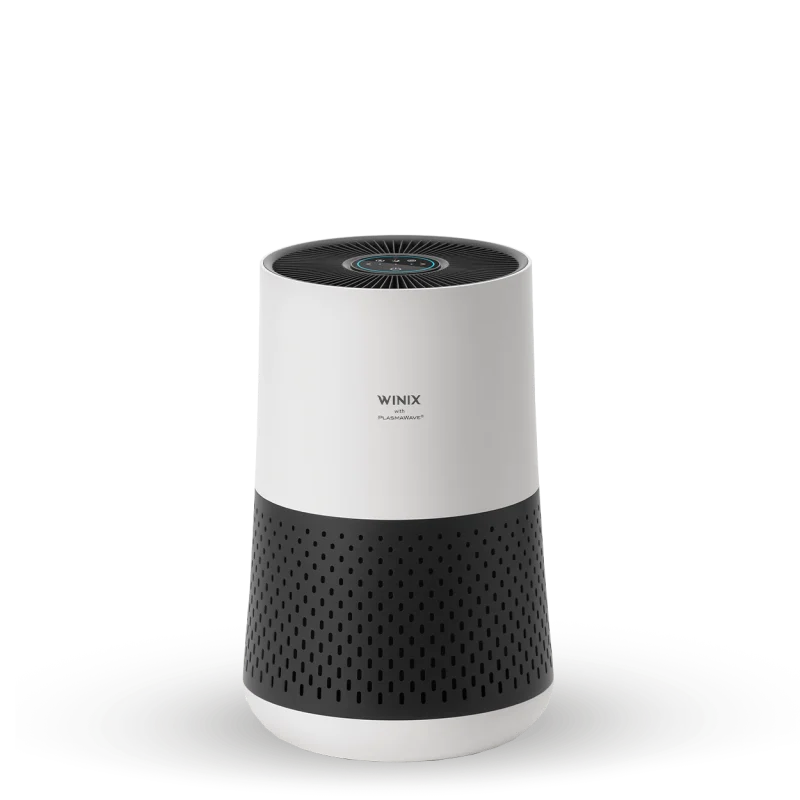
WINIX publishes 250 m³/h CADR and maximum room capacity of 50 m². The page does not claim mould removal; address moisture and visible growth separately.
20 m² cleaning-time footnote; 48–49 m² maximum claim
19 dB(A) sleep; 49 dB(A) max
12 months
—
Levoit Core 300S
—
50 m² at 2 ACH; 100 m² at 1 ACH
22 dB sleep
6–8 months
—
Levoit Vital 100S
243 m³/h
20.8 m² at 5 ACH
—
8–12 months
—
Blueair Blue Pure 511
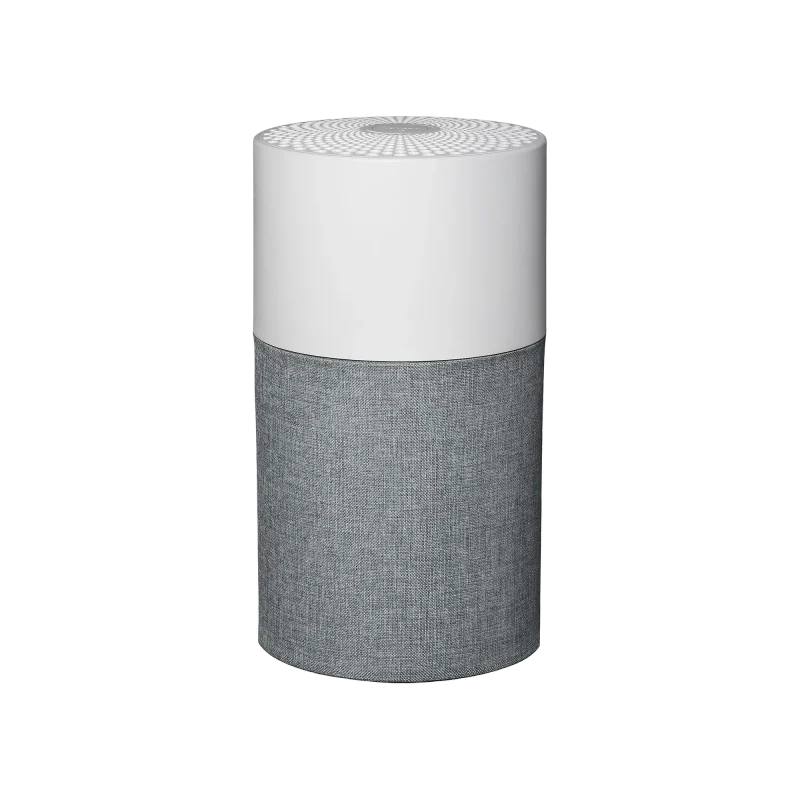
123 cfm dust CADR
about 16 m² at 4.8 ACH
24–49 dB
6 months
—
WINIX ZERO Compact
250 m³/h
50 m² maximum; ACH basis not stated
26.5–53.7 dB
12 months
—
Filter prices are not present in the source pack. Check the current replacement-filter price before buying.
Common questions
Questions before you buy
Are air purifiers good for mold?
They may filter some airborne particles, but a purifier does not remove mould growth from surfaces or fix damp. The manufacturer pages in this comparison do not verify mould-spore removal.
Can an air purifier effectively remove mold?
No. It cannot remove mould growing on surfaces or solve the moisture source. A suitable filter may capture some airborne particles, but address visible mould and damp separately.
Do air purifiers help with airborne viruses?
This comparison does not assess virus removal. The supplied product specifications do not establish a virus-related health outcome.
Do air purifiers work for pollen allergies?
This page is about mould-related searches, and its product evidence does not establish an allergy outcome. Check specific manufacturer filtration claims and seek medical advice for personal concerns.
Does an air purifier help against mold?
It does not remove mould or correct damp. At most, filtration may capture some airborne particles; deal with the moisture and mould source separately.
Is there a downside to air purifiers?
They need suitable placement, electricity and replacement filters. Filter prices are not available in this evidence pack, so check current running costs and follow the manufacturer’s maintenance instructions.
Is there a downside to using an air purifier?
It cannot replace ventilation, damp control or mould cleanup, and filters need maintenance. Check the room-size basis and ongoing filter costs before buying.
What are the best air purifiers and dehumidifiers?
These are separate jobs: a purifier filters room air, while a dehumidifier removes moisture from the air. See our air purifier and dehumidifier options and check each product’s specifications.
Sources and how we chose
We compared manufacturer specifications and UK Amazon catalogue records supplied for this brief. Gearjury has not physically tested these air purifiers. Suitability labels describe the published figures and do not imply a health result.
Compare five air purifiers by manufacturer-published room coverage, particle filtration details and noise. Philips AC0820/10 is a compact-room starting point; no product here promises allergy relief.
The Levoit Vital 100S and WINIX ZERO Compact publish CADR figures in m³/h. We compare five models by manufacturer data, with room-size assumptions and missing costs made clear.
Philips AC0820/10 leads with a 19 dB(A) sleep mode in manufacturer data. Levoit, Blueair and Winix cover other bedroom needs, from small rooms to larger spaces.

 Official manufacturer image
 Official manufacturer image
 Official manufacturer image
 Official manufacturer image
 Official manufacturer image