Best position in a room
Choose open floor space where room air can reach the intake and filtered air can spread. Keep it away from walls, curtains and furniture by at least the clearance in the manual. Do not hide it behind a sofa.

Gearjury may earn a commission when you buy through a retailer link. Editorial conclusions are based on cited evidence.
Guide
Put it in the room you use, on a stable surface with the manufacturer’s clearance around every intake and outlet. Corners, curtains and furniture can choke airflow.
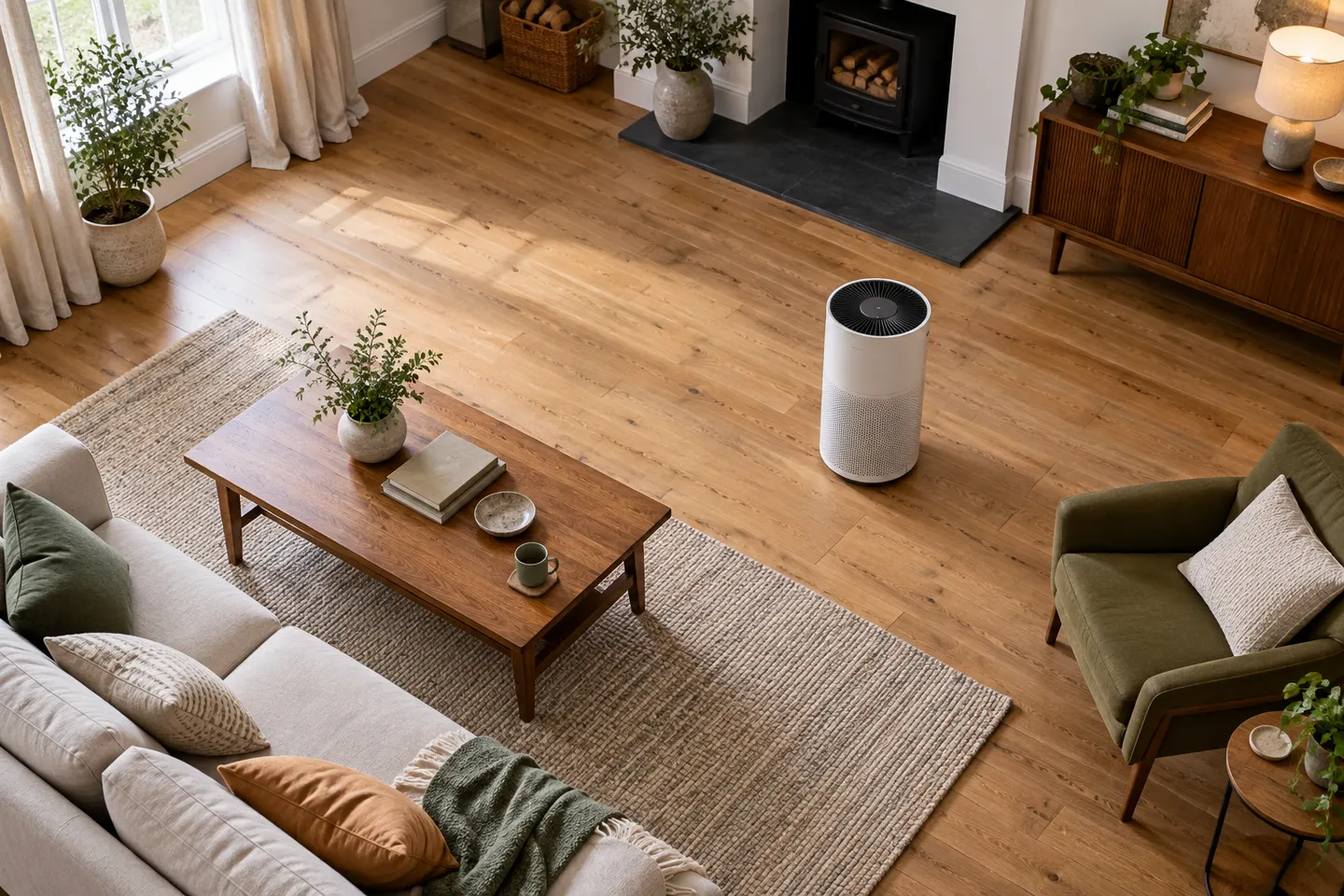
Choose open floor space where room air can reach the intake and filtered air can spread. Keep it away from walls, curtains and furniture by at least the clearance in the manual. Do not hide it behind a sofa.
For a known local source, placing the unit nearby may help capture material before it spreads, provided the source is safe and the purifier is not used instead of removing it. For general room filtration, prioritise unobstructed circulation.
You can use a correctly placed bedroom purifier overnight, but avoid strong airflow directly at your face and keep cables clear. Compare sleep-mode noise and do not block the intake with bedding or furniture.
A portable purifier cleans the air that reaches it. One large unit in an open area may not exchange air effectively with closed bedrooms. Several rooms may need separate, correctly sized units; compare combined filter cost and noise.
Measure length, width and ceiling height. Room volume gives a better basis than floor area alone when ceilings are unusually high. Use the manufacturer’s air-change assumption, not just its largest advertised room.
Common questions
In the occupied room, on a stable surface with clear space around the intake and outlet, following the manufacturer’s manual.
Only if the manual allows the required clearance and neither intake nor outlet is obstructed. Open placement usually supports better circulation.
It can be in the bedroom, but keep airflow comfortable, cables safe and the intake clear. Follow the manual’s distance guidance.
It depends on the room layout and doors. Compare each unit’s CADR, room basis, noise and running costs for the spaces you actually occupy.
Keep exploring

Philips AC0820/10 leads with a 19 dB(A) sleep mode in manufacturer data. Levoit, Blueair and Winix cover other bedroom needs, from small rooms to larger spaces.
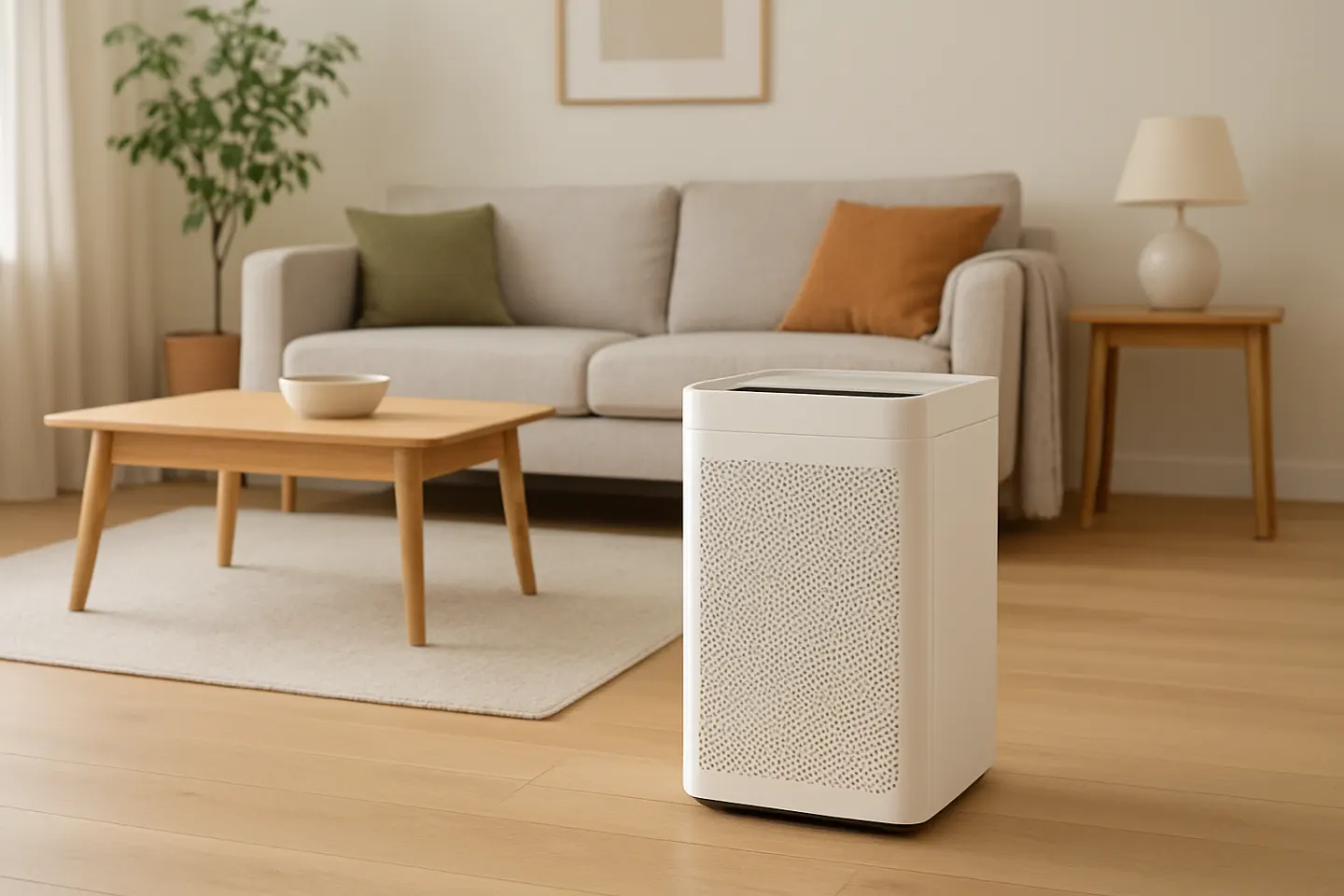
Learn how to choose an air purifier by room volume, CADR, filtration, noise and upkeep, including what size air purifier you need.
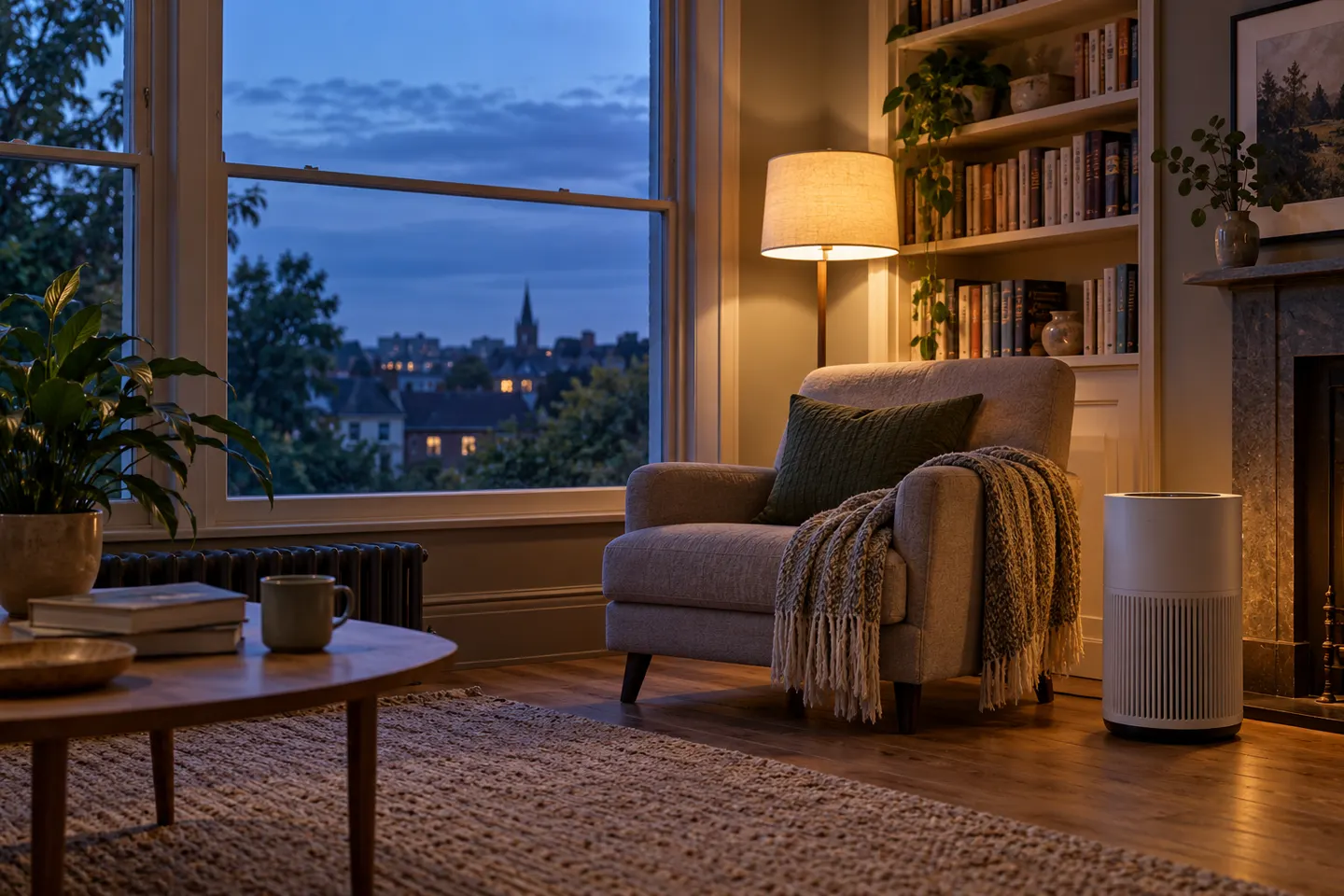
Compare five air purifiers by published noise, room coverage and CADR. Philips AC0820/10 has the lowest stated sleep-mode figure in this source pack; other models suit different room and control needs.
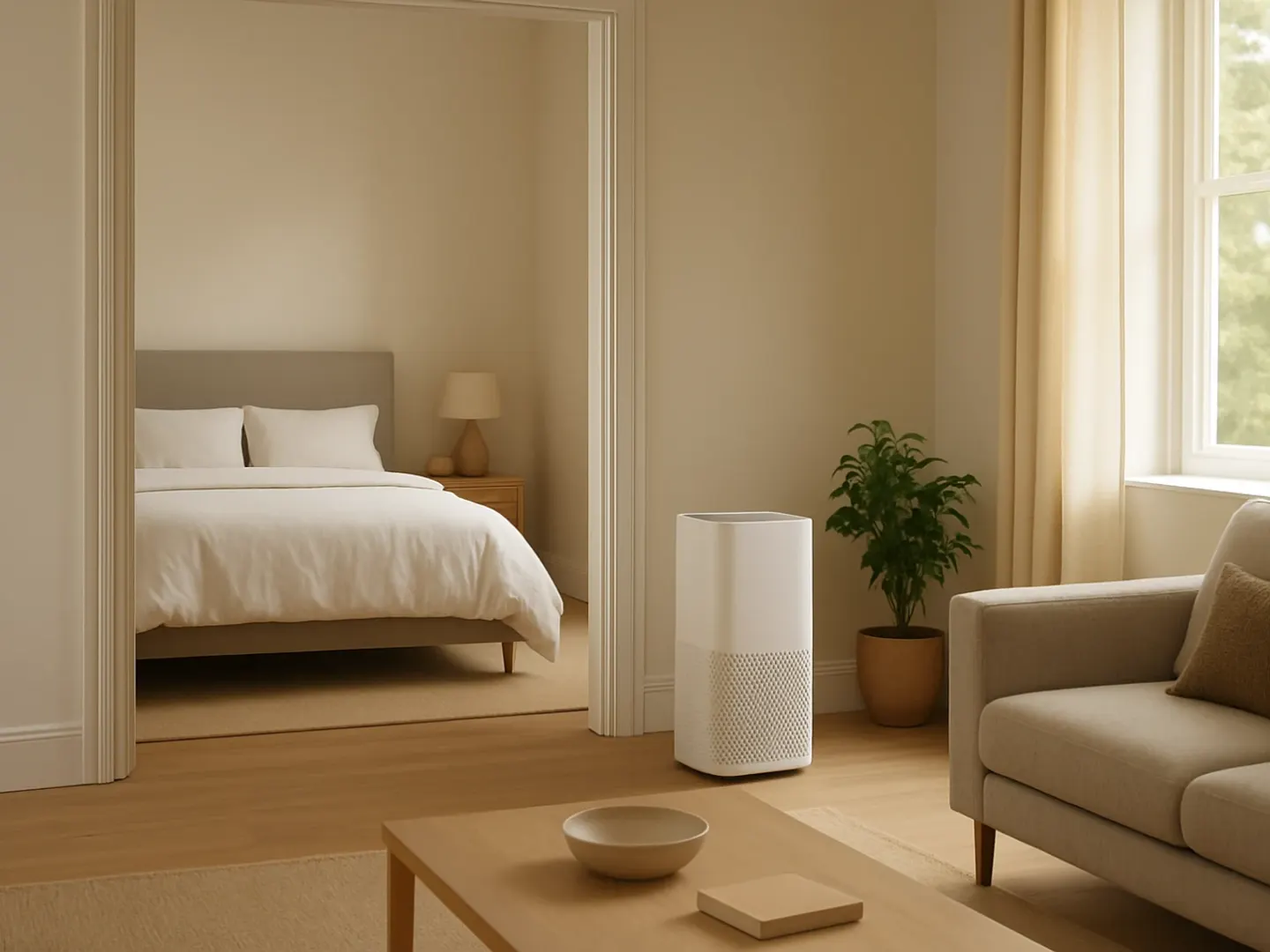
Compare air purifiers for UK homes by room size, noise and upkeep, then choose the buying guide, shortlist or model comparison that fits your decision.