Gearjury may earn a commission when you buy through a retailer link. Editorial conclusions are based on cited evidence.
Guide
Are Air Purifiers Worth It in the UK?
They can be worthwhile when you have a clear target, size the purifier to one room and keep up with filters. They are poor value when used instead of source control or ventilation.
GGearjury editorial team · Updated 14 October 2026· 4 min
01
The short answer
A purifier is most useful when you can name the room and the airborne problem. For particles, compare CADR with the room size. For gases or odours, look for a substantial activated-carbon stage and manufacturer evidence. The EPA says no cleaner removes every pollutant and puts source control and clean-air ventilation first.
02
Does an air purifier really make a difference?
A suitable unit filters air only while it runs. Higher fan speeds and longer run times generally move more air through the filter. The result depends on room volume, doors and windows, placement, filter condition and the pollutant you are trying to reduce.
03
Disadvantages and downsides
You pay for electricity and replacement filters, hear fan noise and give up floor space. Low speed may be quiet but moves less air. A neglected filter can restrict performance. Devices that intentionally produce ozone should be avoided.
04
Do doctors recommend air purifiers?
Product pages are not medical evidence. The EPA notes that studies of portable HEPA cleaners sometimes report improvements in one or more allergy or asthma symptoms, but not consistently or for every symptom. Discuss health decisions with a qualified clinician.
05
Signs one may suit your home
A purifier may be worth comparing if one occupied room has recurring airborne particles, outside pollution or pollen, and ventilation alone does not meet the need. It is less persuasive when the problem is settled dust, visible mould, damp or an odour source that can be removed.
06
Do you need one in every room?
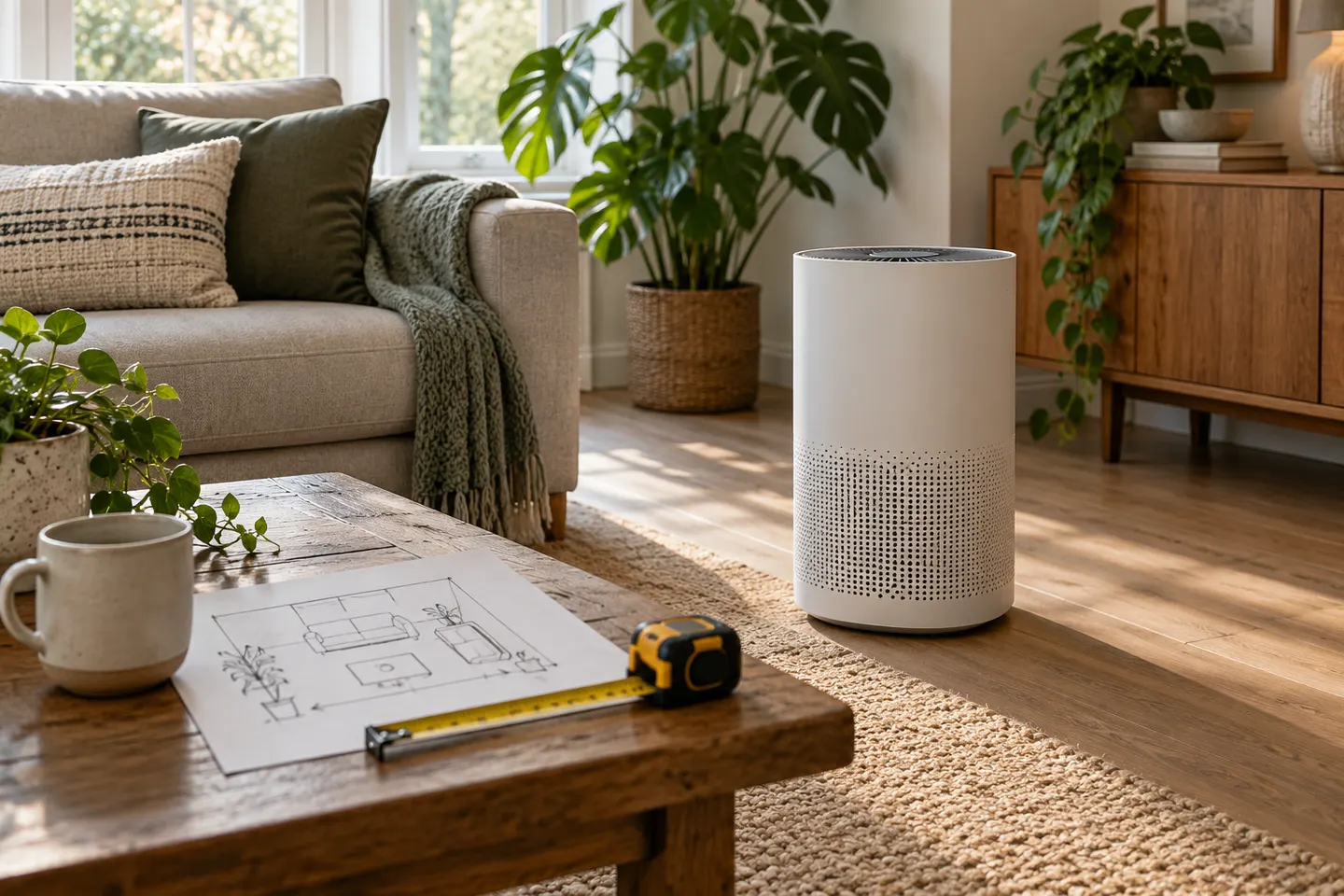
Usually, start with the room where you spend the most time. Portable purifier ratings apply to a room or area, not automatically a whole home. Measure the room and decide whether one correctly sized unit or separate units for closed rooms makes sense.
Common questions
Questions before you buy
Are air purifiers worth the money?
They can be when a correctly sized unit addresses a defined airborne problem and you accept the filter and electricity costs. They are not a substitute for removing the source or ventilating with clean outdoor air.
Do air purifiers really make a difference?
They can reduce some airborne particles or gases when the filter type and airflow suit the room. No purifier removes every pollutant.
What are the disadvantages of an air purifier?
Running cost, filter replacements, fan noise, floor space and maintenance. Some electronic cleaners can emit ozone, so check the technology.
Is an air purifier overkill in every room?
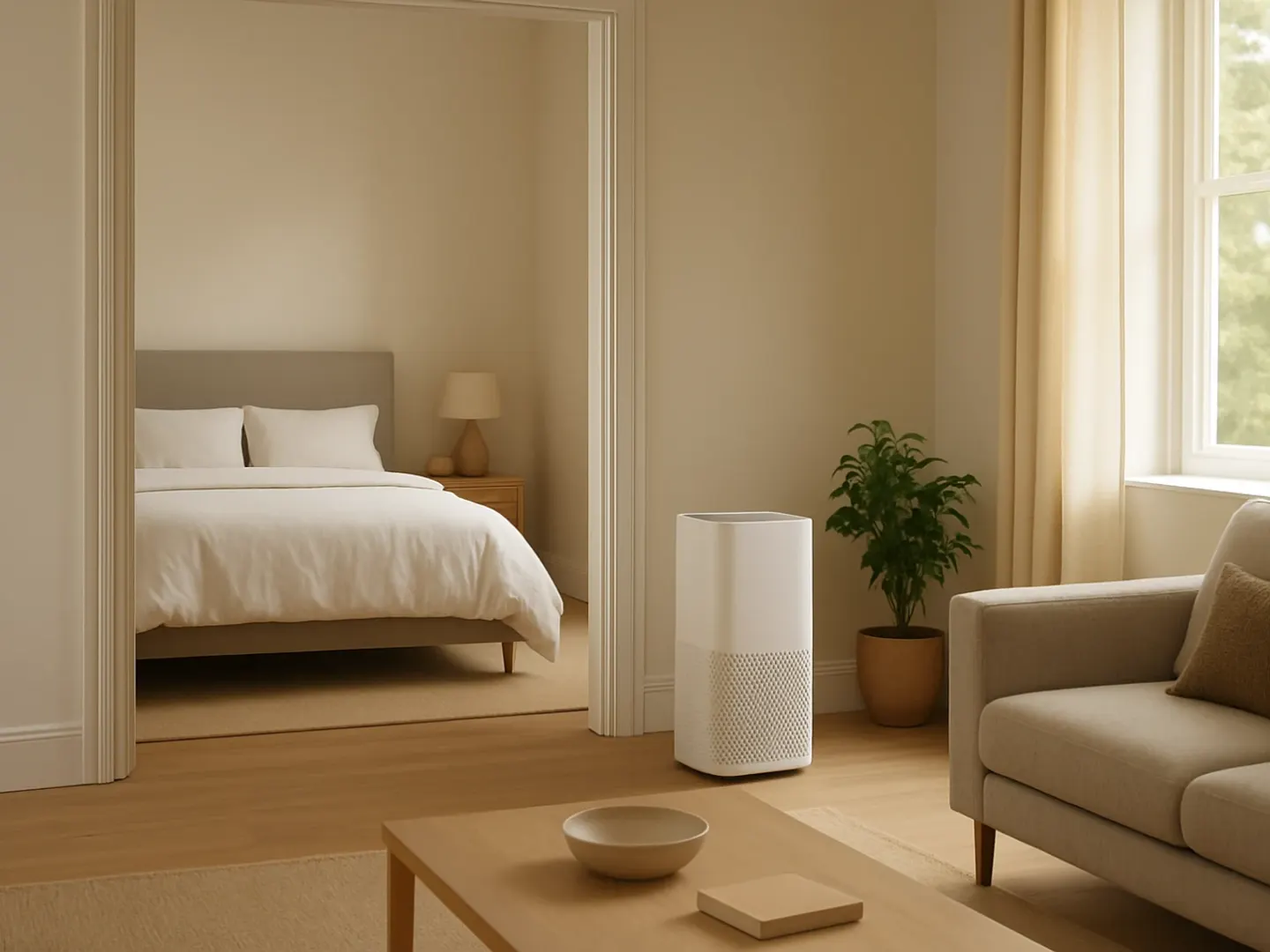
Often it is better to start with the main occupied room and measure the result. Closed rooms may need separate units because a portable cleaner serves the air that reaches it.
Philips AC0820/10 has the lowest published sleep-mode noise in this shortlist. Levoit, Blueair and Winix offer alternatives for different room sizes and features.
Compare five air purifiers by manufacturer-published room coverage, particle filtration details and noise. Philips AC0820/10 is a compact-room starting point; no product here promises allergy relief.
Philips AC0820/10 leads with a 19 dB(A) sleep mode in manufacturer data. Levoit, Blueair and Winix cover other bedroom needs, from small rooms to larger spaces.
Compare air purifiers for UK homes by room size, noise and upkeep, then choose the buying guide, shortlist or model comparison that fits your decision.