



 Official manufacturer image
Our picks
Top picks
Official manufacturer image Official manufacturer image
Garmin Dash Cam Mini 3
Check price on Amazon Official manufacturer image
Garmin Dash Cam X310
Check price on AmazonBy feature
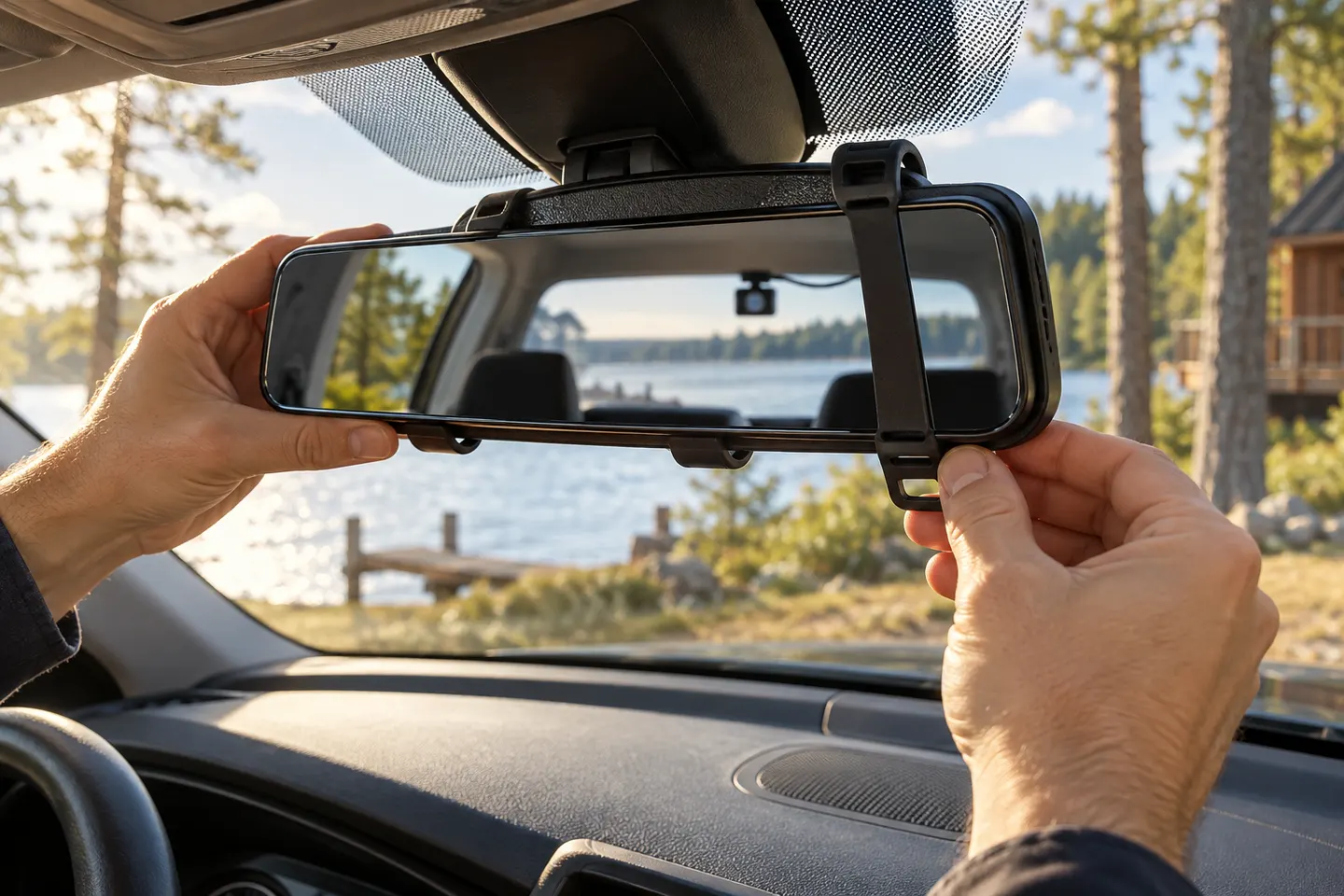 Rear view mirror
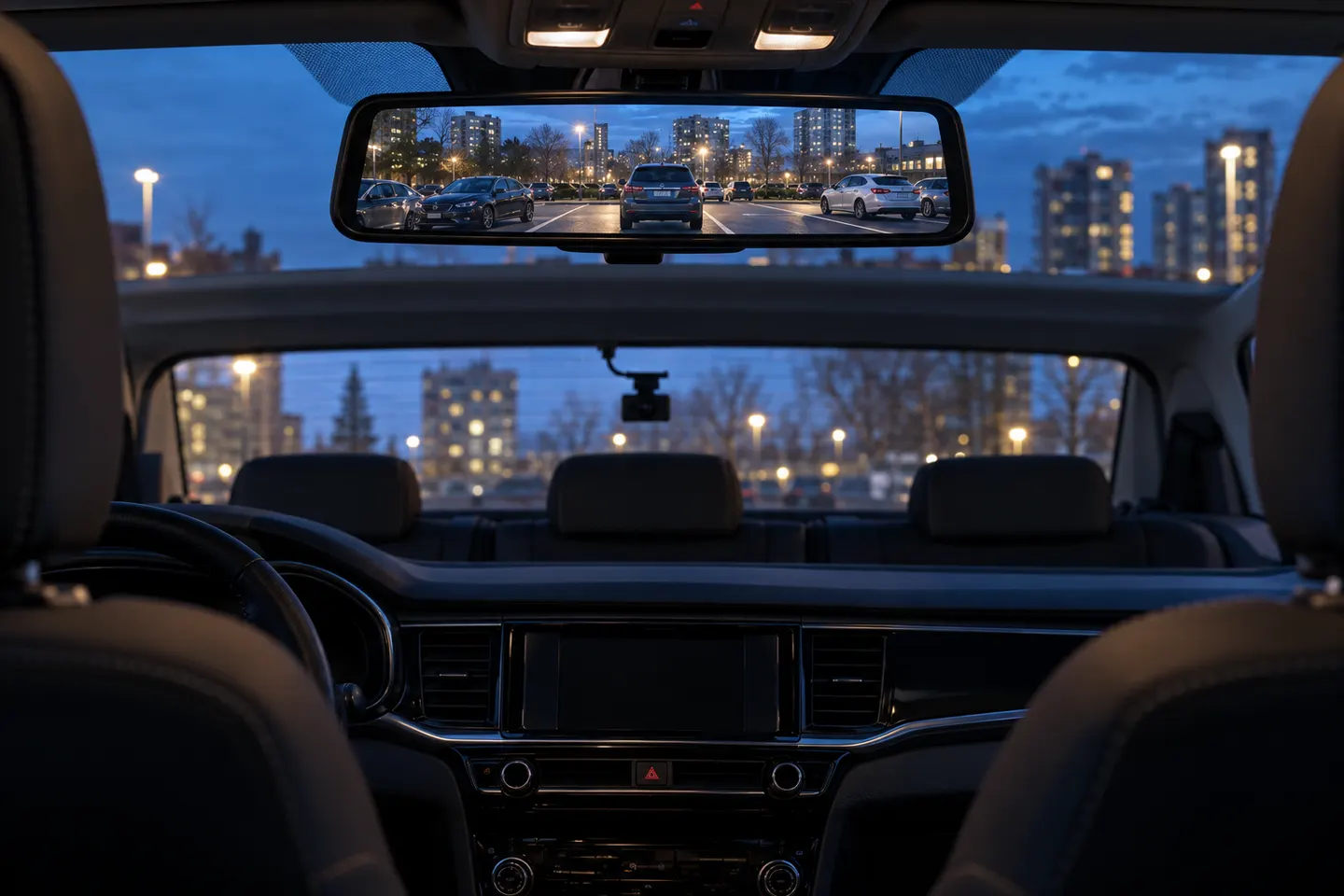 Rear view
More topics
Common questions
Questions before you buy
How does a bird's-eye-view car camera work?
Software transforms and combines several wide-angle camera feeds into a simulated overhead view calibrated to the vehicle.
Can bird's-eye view be added to any car?
Many vehicles can accept an aftermarket system, but body shape, mirror access, display integration and calibration can limit compatibility.
Does a surround-view camera record like a dash cam?
Not always. Some systems only display parking views; recording requires a DVR function and supported storage.
Is a 360 dash cam the same as a bird's-eye camera?
No. A 360 dash cam may capture a panoramic view from one cabin position, while bird's-eye parking view stitches exterior cameras around the vehicle.
Do surround-view cameras remove all blind spots?
No. The image is processed and may contain seams, distortion or areas the lenses cannot see. Drivers must still check their surroundings.