



 Official manufacturer image
Our picks
Top picks
Official manufacturer image Official manufacturer image
Garmin Dash Cam Mini 3
Check price on Amazon Official manufacturer image
Garmin Dash Cam X310
Check price on AmazonBy feature
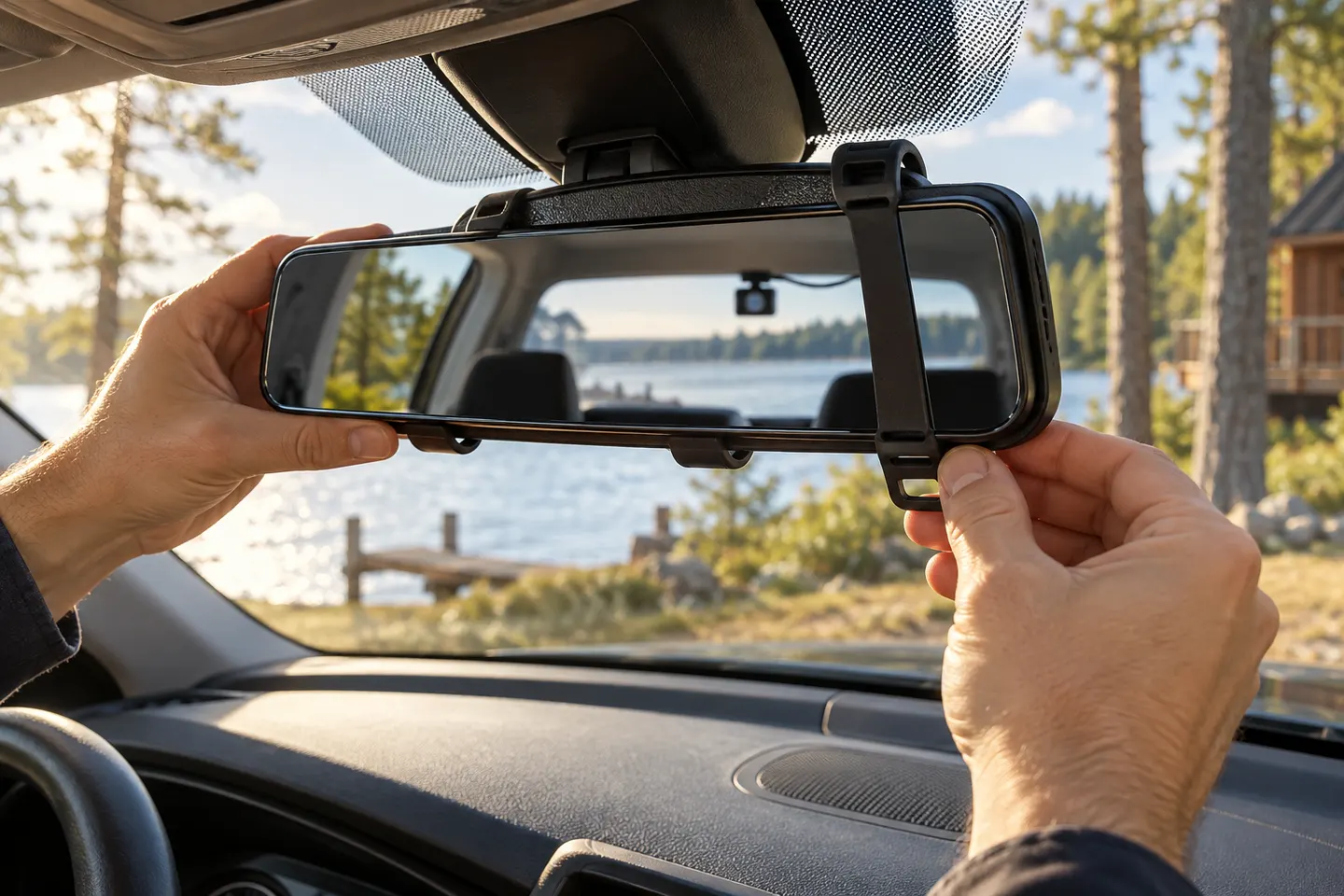 Rear view mirror
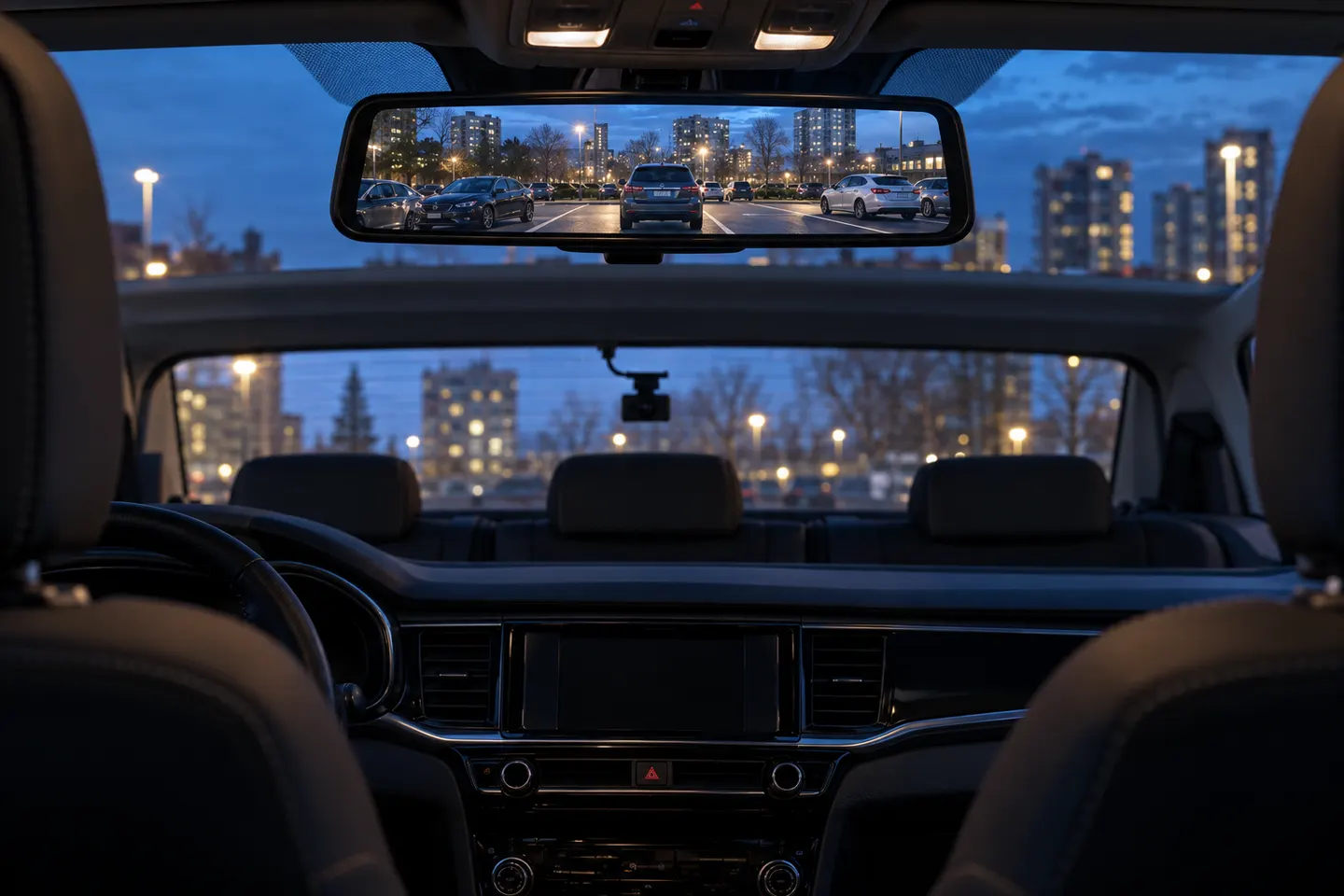 Rear view
More topics
Common questions
Questions before you buy
What field of view is good for a dash cam?
A moderate wide angle that captures neighboring lanes without extreme edge distortion is a sensible target. Compare actual footage because measurement methods vary.
Should a dash cam show the hood?
A small portion can provide positional context, but too much wastes recording area. Tilt upward only enough to balance the horizon and road.
Why does my dashcam view look curved?
Wide-angle lenses commonly create barrel distortion near the edges. Digital correction can reduce it, sometimes by cropping part of the frame.
How do I aim a rear dash cam?
Center it high on the rear glass, keep the horizon level and minimize interior trim in the frame. Account for the wiper area, defroster lines and spoiler.
Does a wider dash cam angle capture license plates better?
Not necessarily. A wider scene spreads pixels over more area, so distant objects may contain less detail even though more lanes are visible.