



 Official manufacturer image
Our picks
Top picks
Official manufacturer image Official manufacturer image
Garmin Dash Cam Mini 3
Check price on Amazon Official manufacturer image
Garmin Dash Cam X310
Check price on AmazonBy feature
 Front rear
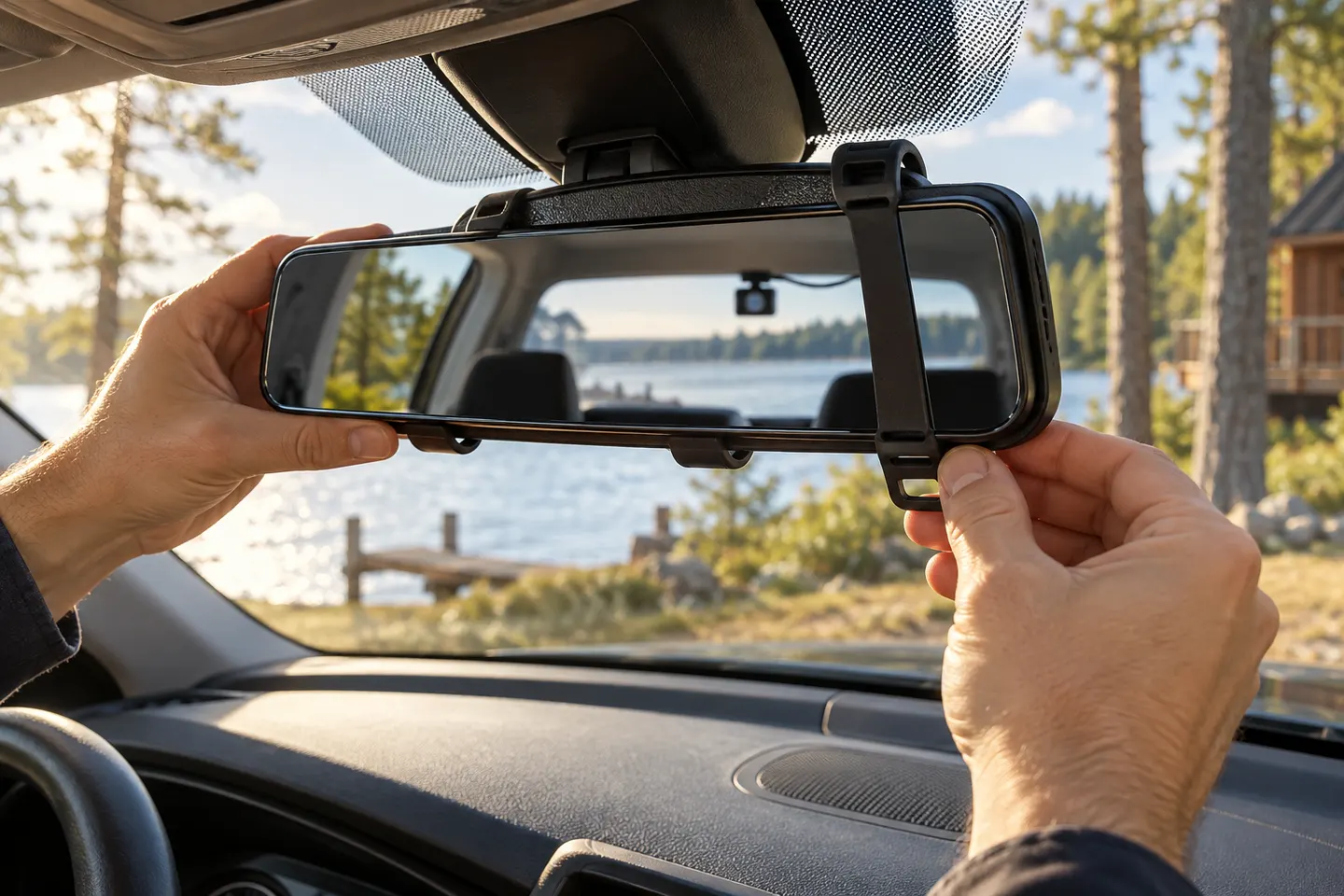 Rear view mirror
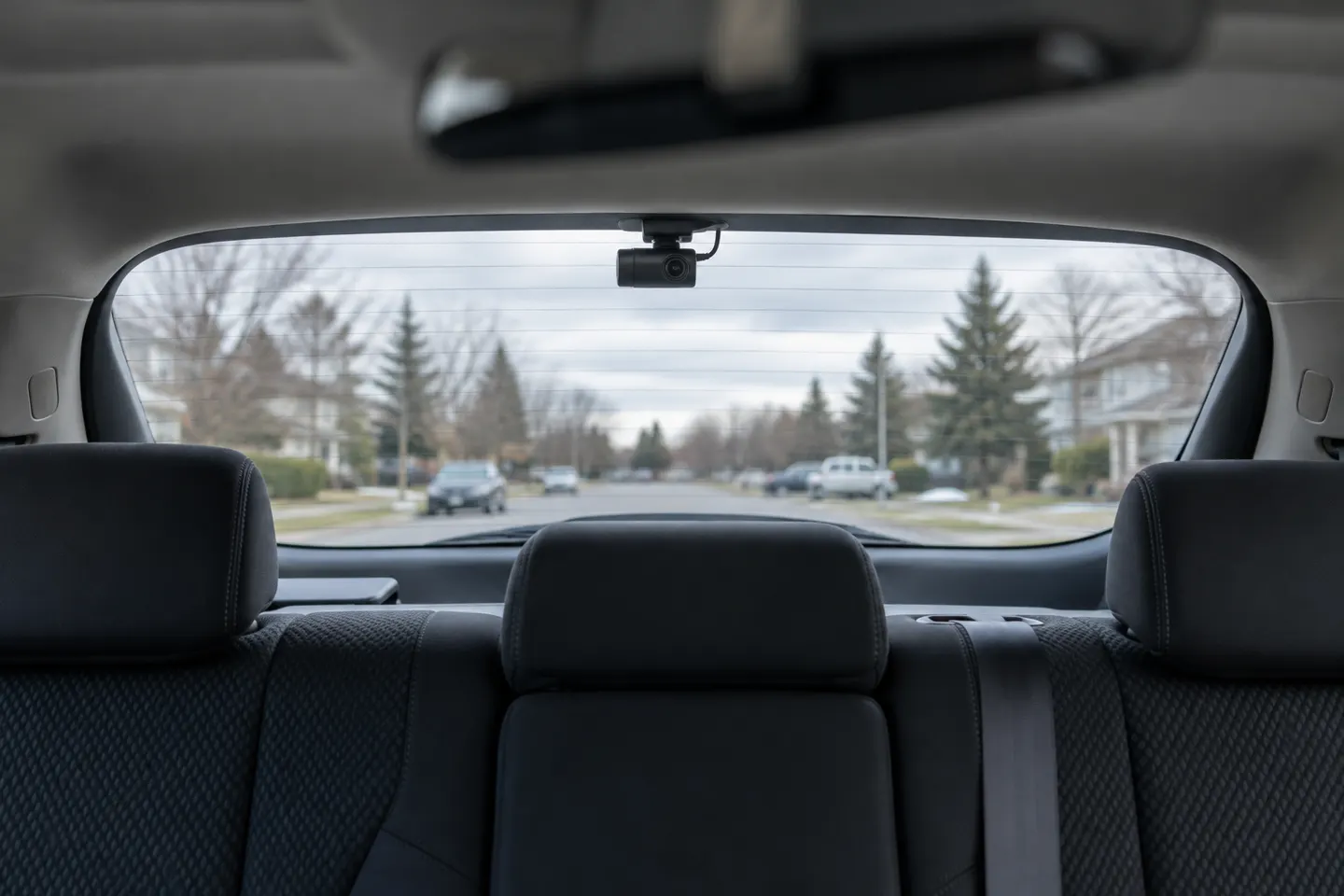 Rear
Rear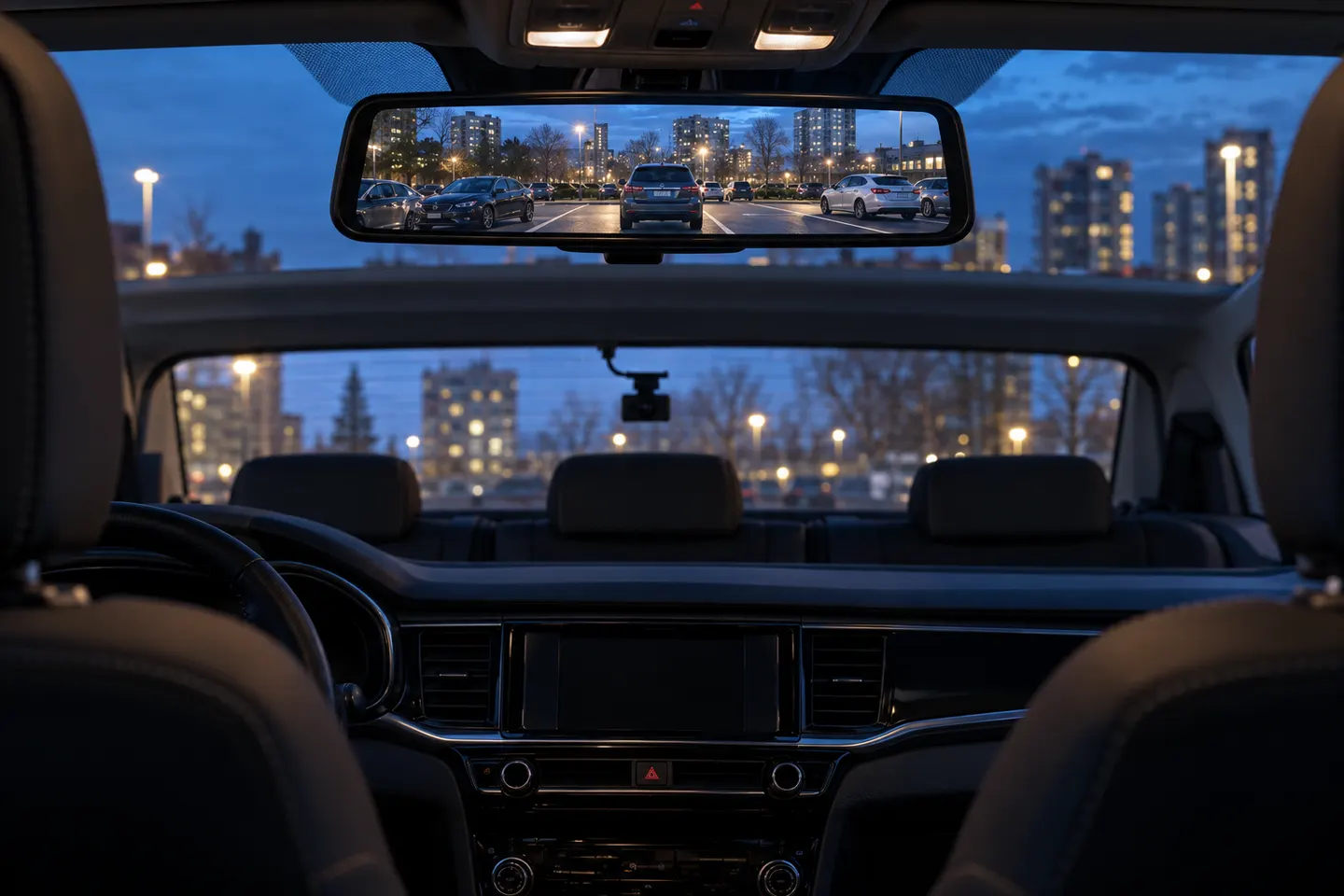 Rear view
Common questions
Questions before you buy
Where should a rear dash cam be mounted?
It is commonly placed high and centrally on the rear glass where it does not block the driver's view. Follow the kit's orientation and vehicle-specific cable guidance.
Does rear-window tint affect a rear dash cam?
It can reduce incoming light and may add reflections or color changes. Check sample footage and mounting advice for the camera and tint combination.
Can a rear dash cam work through a hatchback window?
Yes, but the cable must pass safely through or around the moving hatch area. Avoid pinched wires and interference with airbags, seals or hinges.
Is a rear camera the same as a backup camera?
No. A dash cam records events, while a backup camera is primarily designed to help the driver maneuver in reverse, even if some products combine functions.