



 Official manufacturer image
Our picks
Top picks
Official manufacturer image Official manufacturer image
Garmin Dash Cam Mini 3
Check price on Amazon AU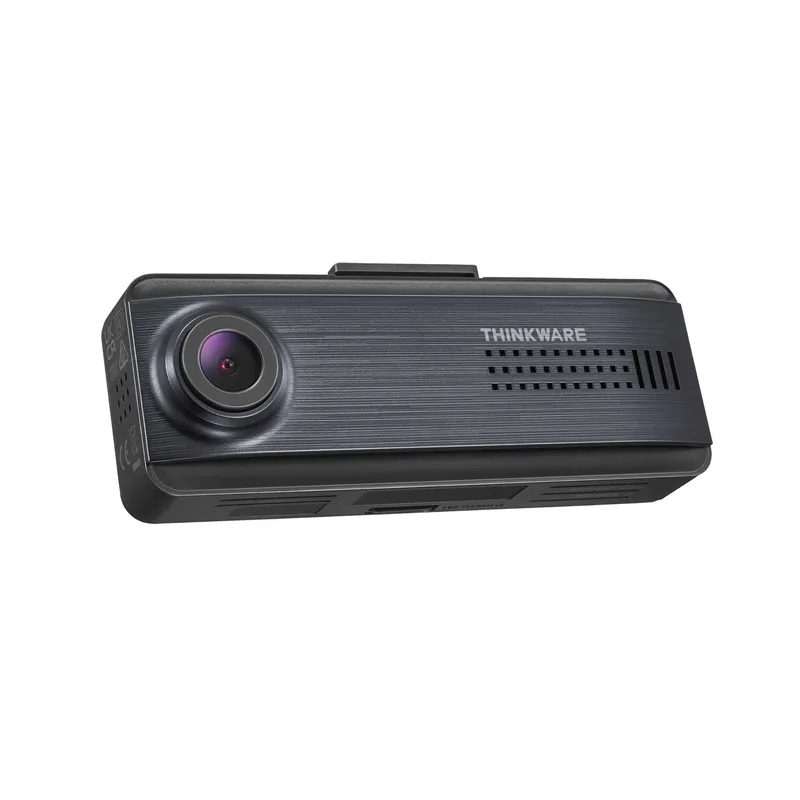 Official manufacturer image
Thinkware Q200
Check price on Amazon AUBy feature
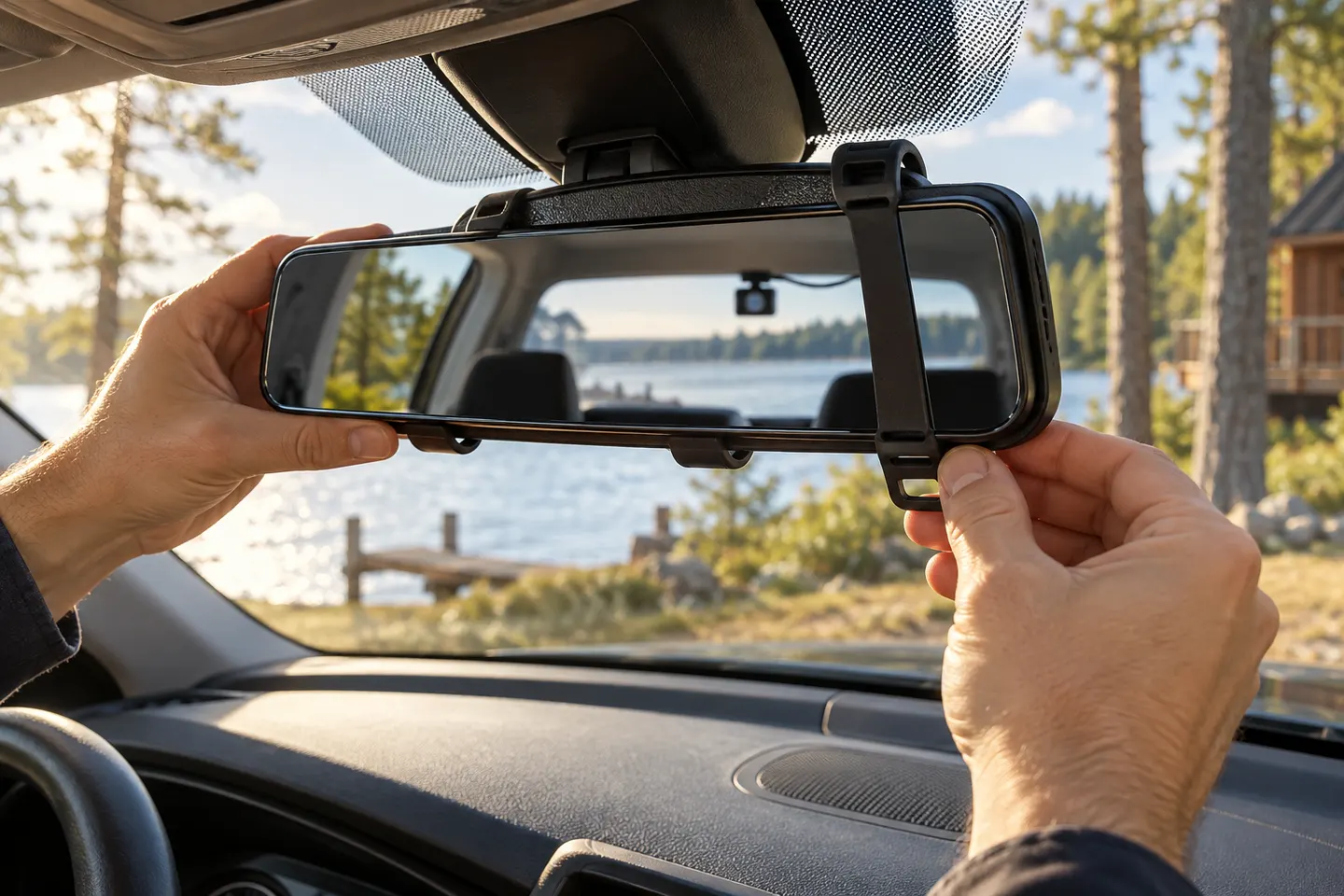 Rear view mirror
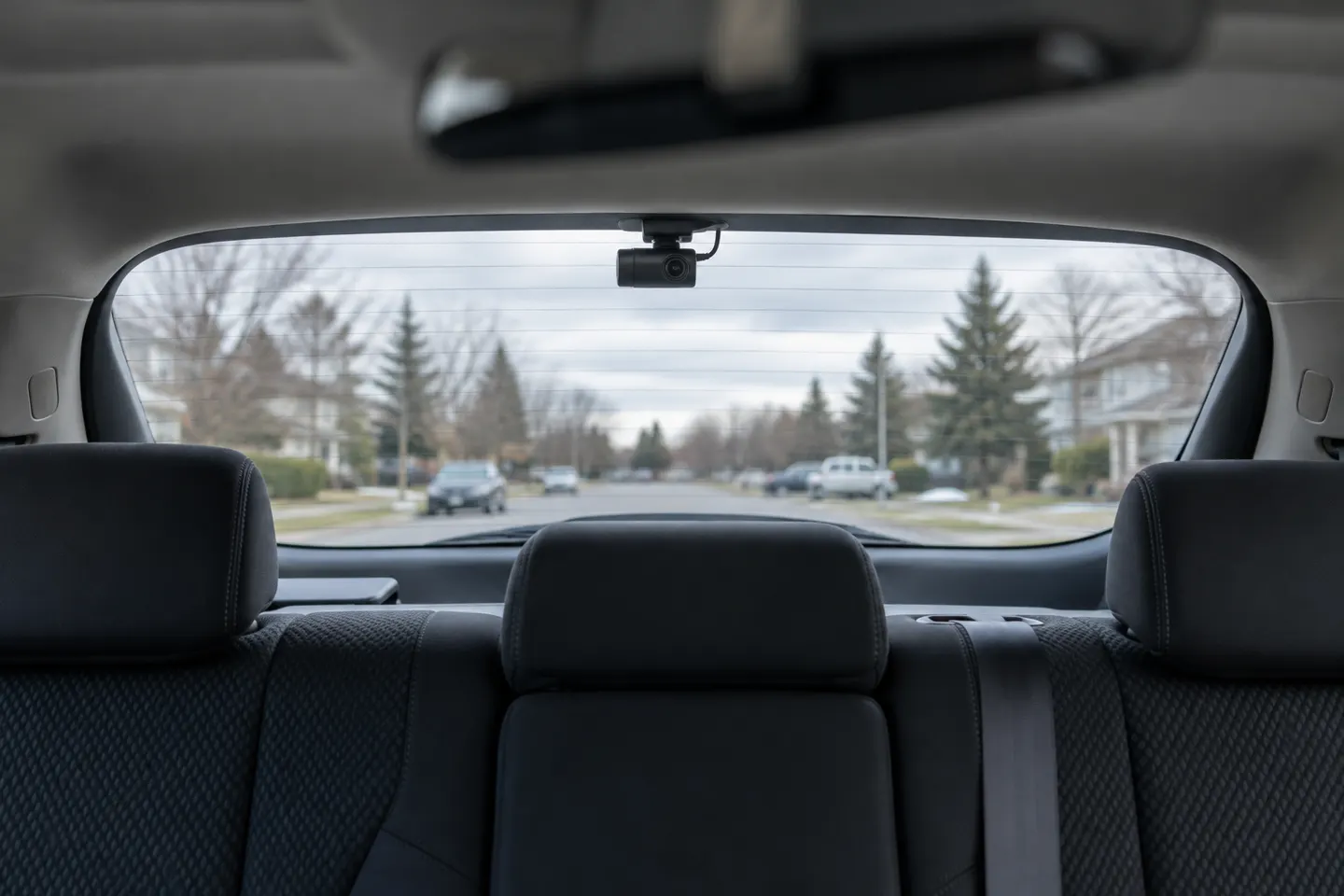 Rear
RearCommon questions
Questions before you buy
Is a front and rear dash cam worth it?
It can be worthwhile when rear impacts, tailgating or events behind the car are important to you. The trade-offs are extra cost, cabling and more storage use.
Does the rear dash cam connect wirelessly?
In many current two-channel systems, the rear camera uses a physical cable to send video and power. Wi-Fi usually connects the main camera to a phone, not the front camera to the rear one.
Where does the rear camera go?
It is normally mounted high on the inside of the rear glass, where it does not obstruct the driver's view. Check that demister lines, moving tailgates and window tint do not interfere.
Can a front-rear dash cam record while parked?
Yes, if the model supports parking recording and receives suitable protected power. Configure voltage cut-off or use a compatible battery solution to protect the vehicle battery.