



 Official manufacturer image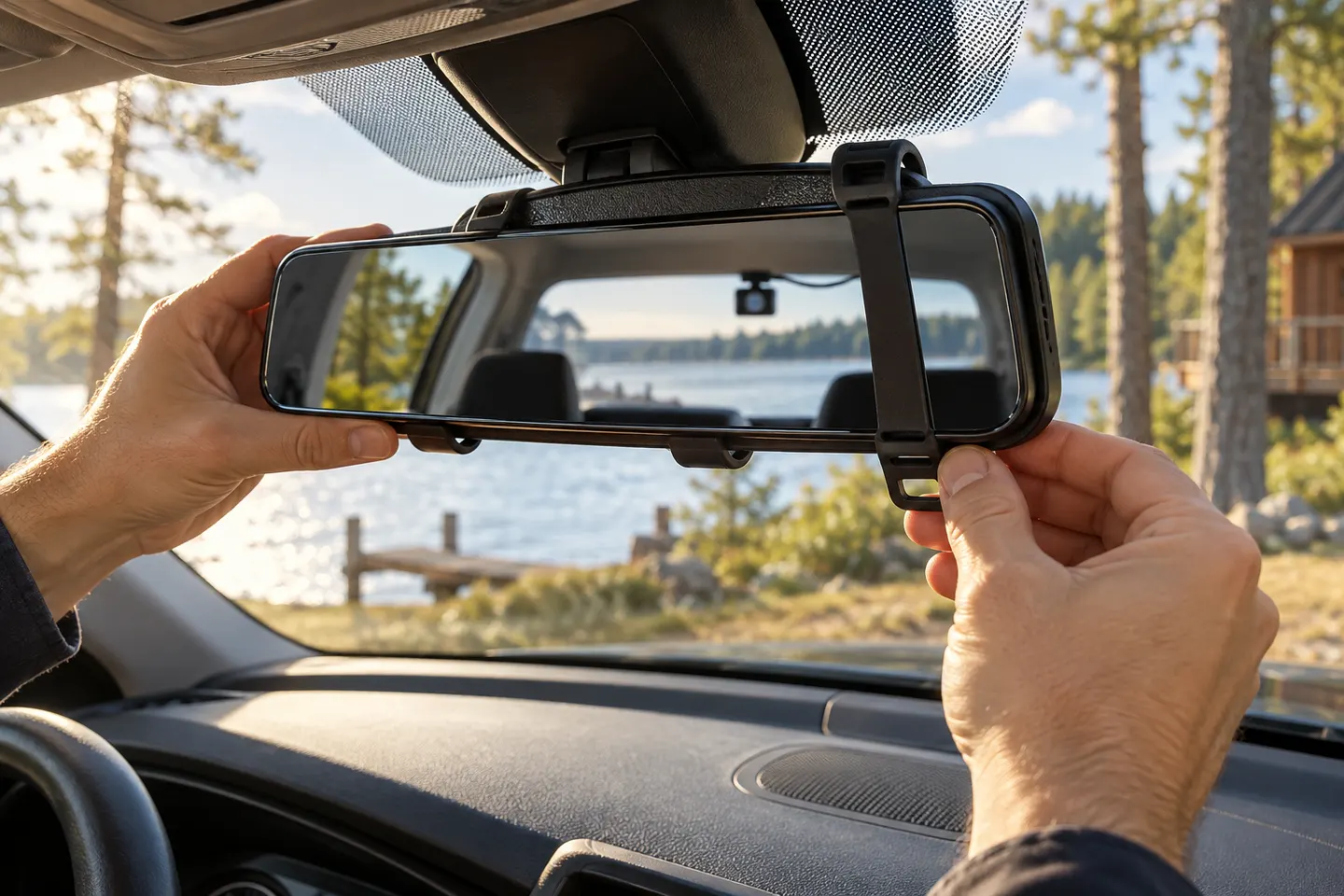
Our picks
Top picks
Official manufacturer image Official manufacturer image
Garmin Dash Cam Mini 3
Check price on Amazon AU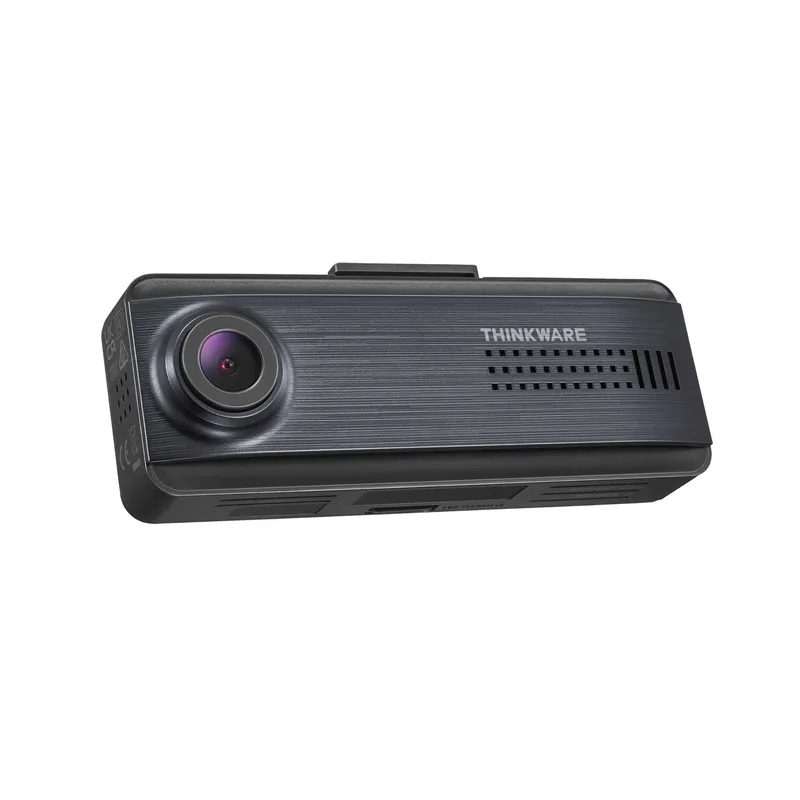 Official manufacturer image
Thinkware Q200
Check price on Amazon AUBy feature
 Front rear
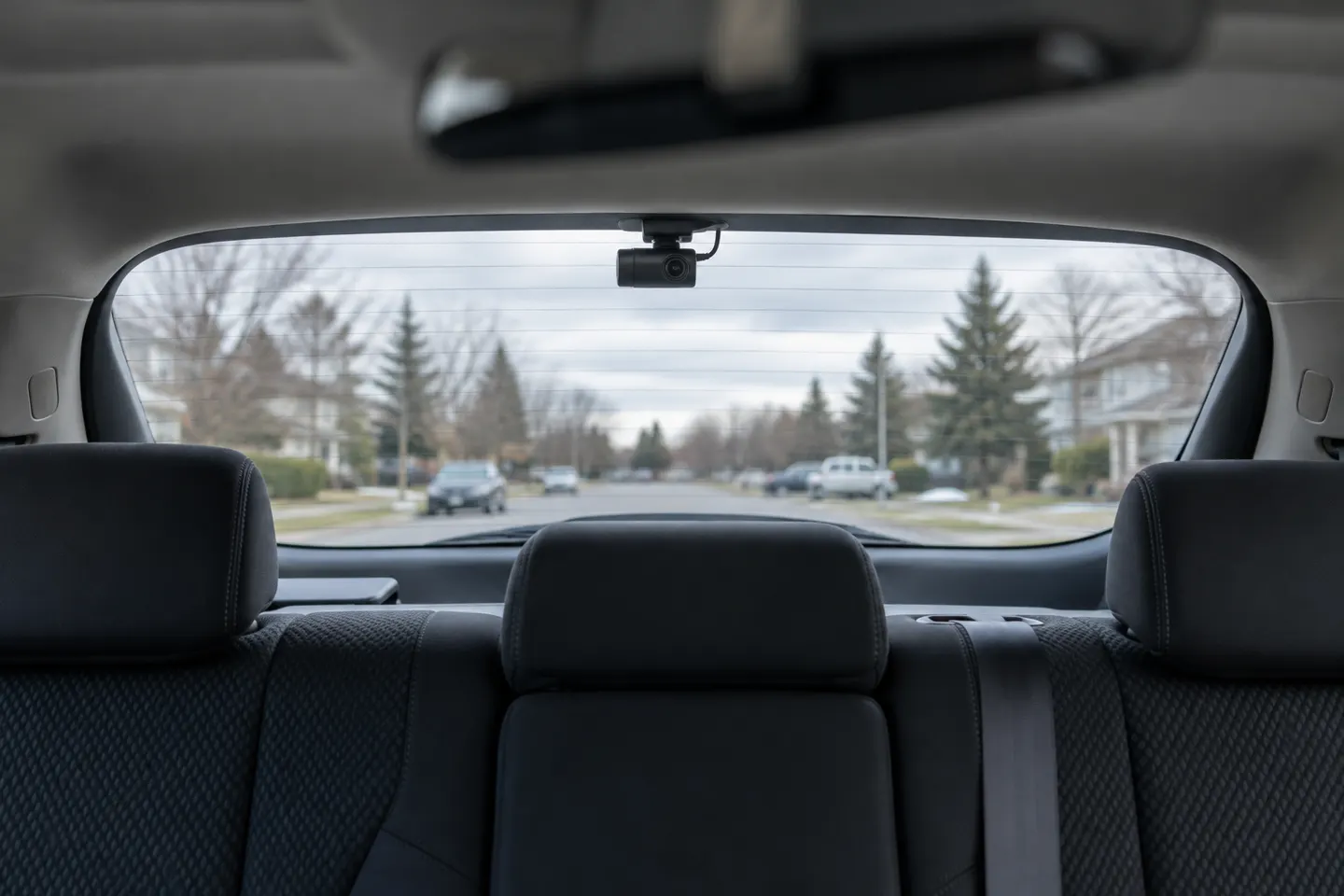 Rear
RearCommon questions
Questions before you buy
Does a mirror dash cam replace the original rear-view mirror?
Some clip over the existing mirror, while vehicle-specific units replace it. Check dimensions, mounting method and compatibility with built-in sensors or auto-dimming.
Can the screen be turned off while driving?
Many models allow this, leaving a reflective surface, but visibility varies. Verify the exact model's display-off behaviour before purchase.
Where should the rear camera be mounted?
Use the position approved in the manual. Inside glass avoids weather exposure; an external mount needs the stated ingress protection and safe cable routing.
Will a mirror dash cam work in a ute or van?
It may, but rear-camera cable length, mounting surface and the route through doors or a canopy must suit the vehicle. Measure before ordering.
Is the rear camera image always recorded?
Not always. Some rear feeds support both recording and reversing, while others serve one purpose. Confirm the saved channels and resolutions in the specifications.