



 Official manufacturer image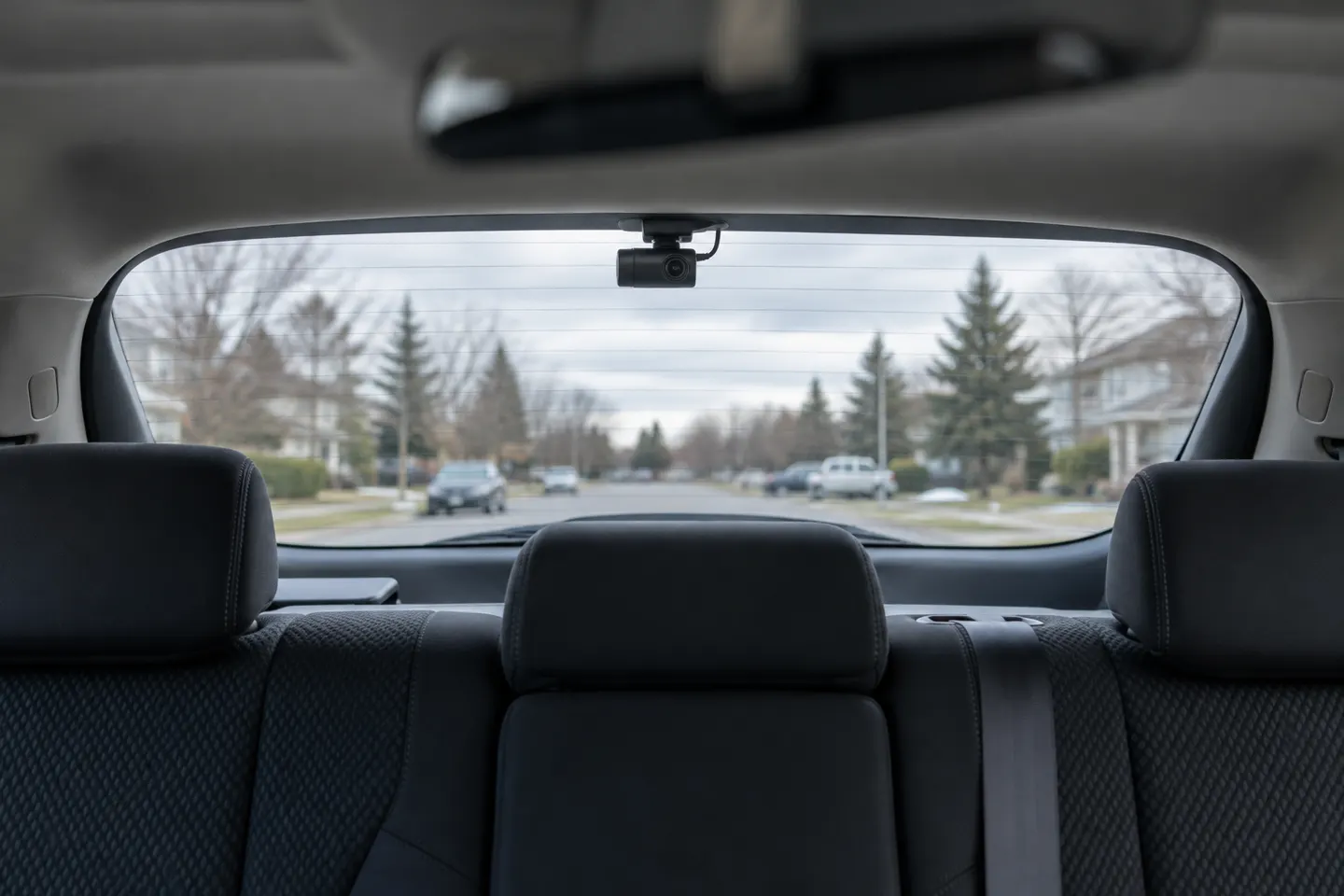
Our picks
Top picks
Official manufacturer image Official manufacturer image
Garmin Dash Cam Mini 3
Check price on Amazon AU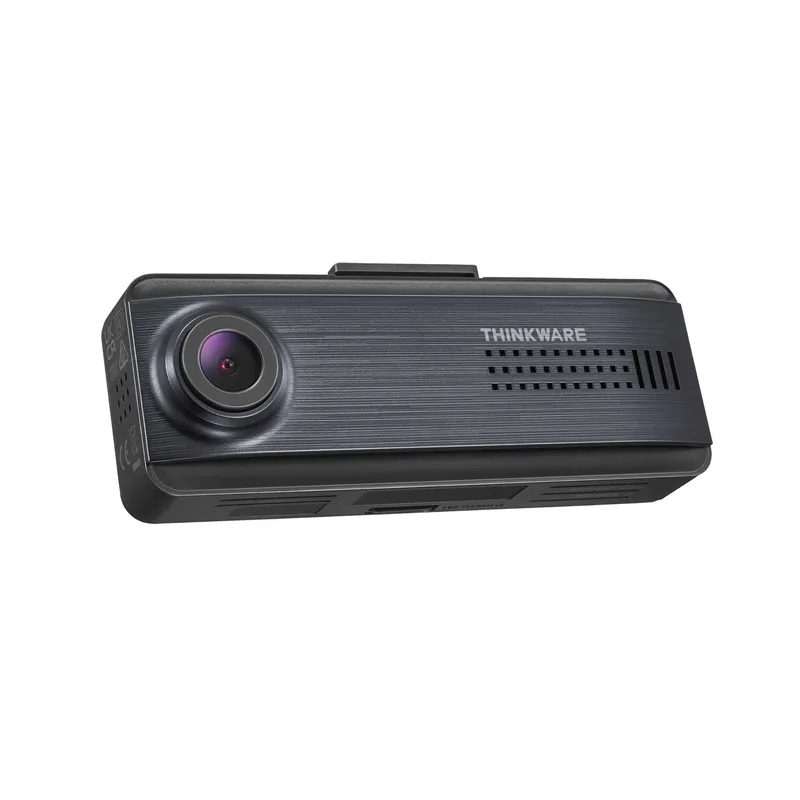 Official manufacturer image
Thinkware Q200
Check price on Amazon AUBy feature
 Front rear
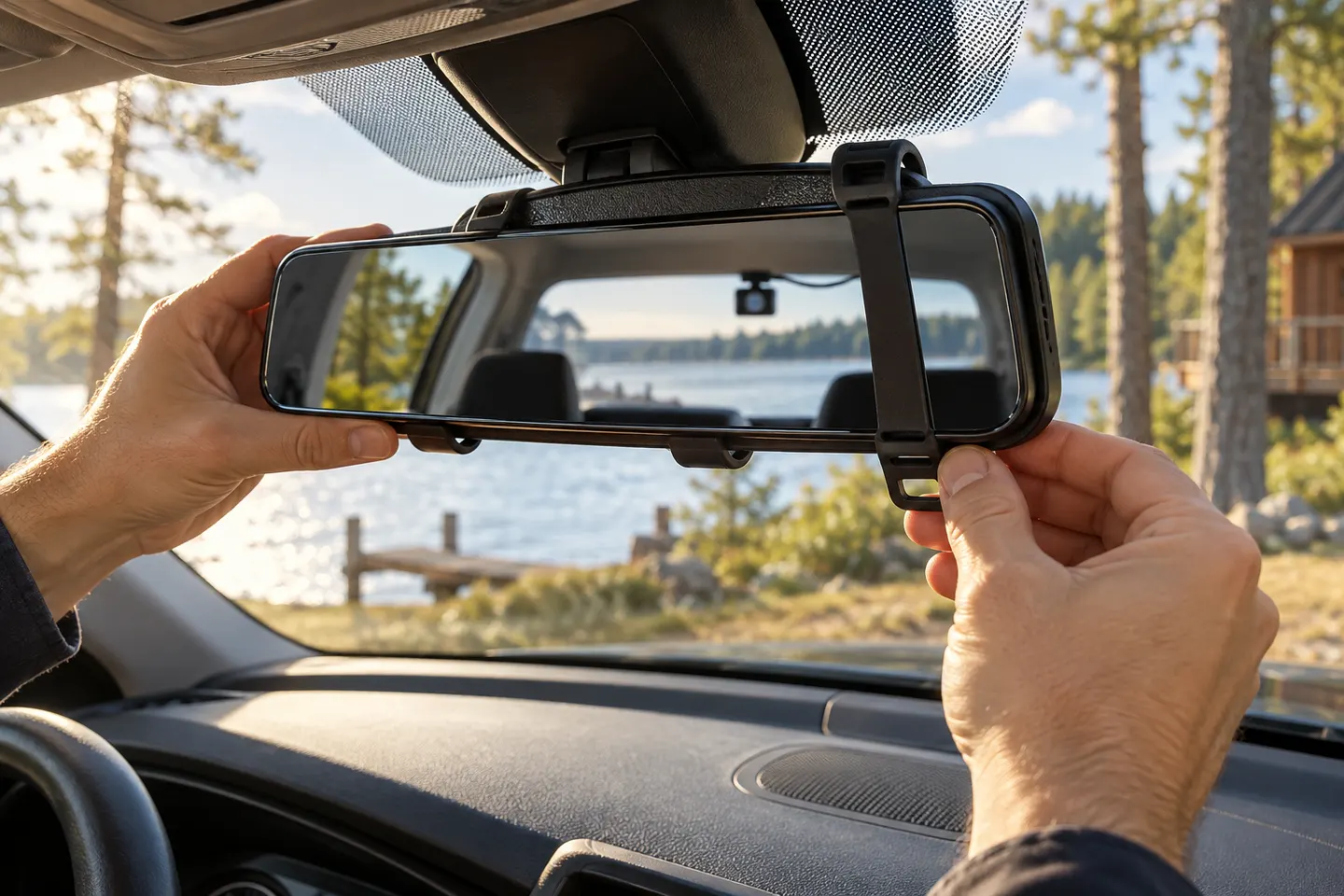 Rear view mirror
Common questions
Questions before you buy
Is a rear car camera the same as a reversing camera?
No. A reversing camera assists manoeuvring; a rear dash cam records footage. Some systems do both, but the specifications must say so.
Is a rear dash cam worth adding?
It adds useful context for rear impacts and following traffic. The trade-offs are more wiring, higher storage use and extra installation time.
Should the rear camera go inside or outside?
Inside mounting is protected and often simpler. Outside mounting may give a lower view but requires a model designed for weather exposure and safe cable entry.
Why is rear footage lower resolution than front footage?
Many dual-channel systems allocate different sensors and bitrates to each channel. Check both values rather than assuming the headline resolution applies front and rear.
Can I add any rear camera to my dash cam?
Usually not. Rear modules use model-specific connectors, firmware and recording formats, so use only a camera listed as compatible.