



 Official manufacturer image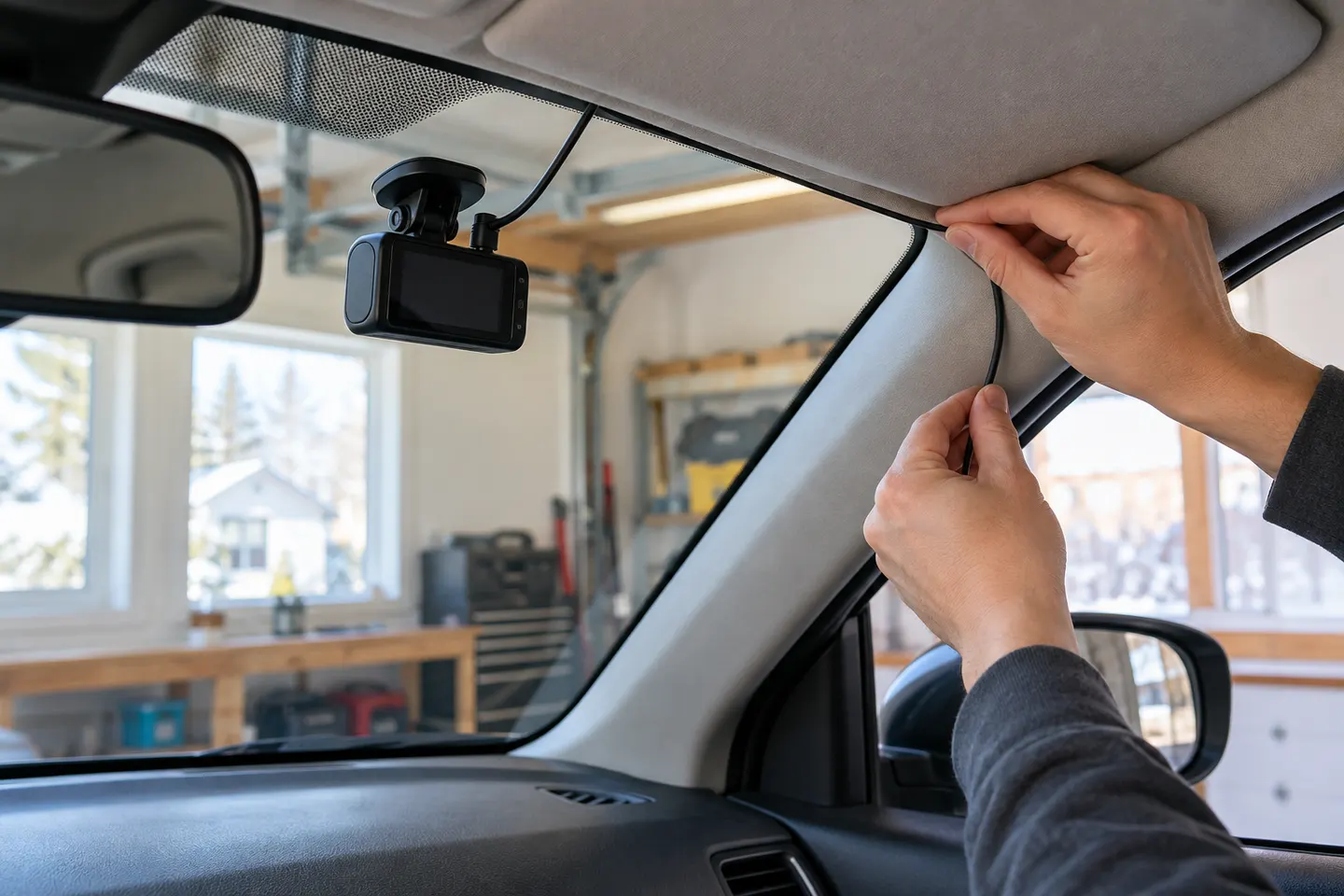
Our picks
Top picks
Official manufacturer image Official manufacturer image
Garmin Dash Cam Mini 3
Check price on Amazon AU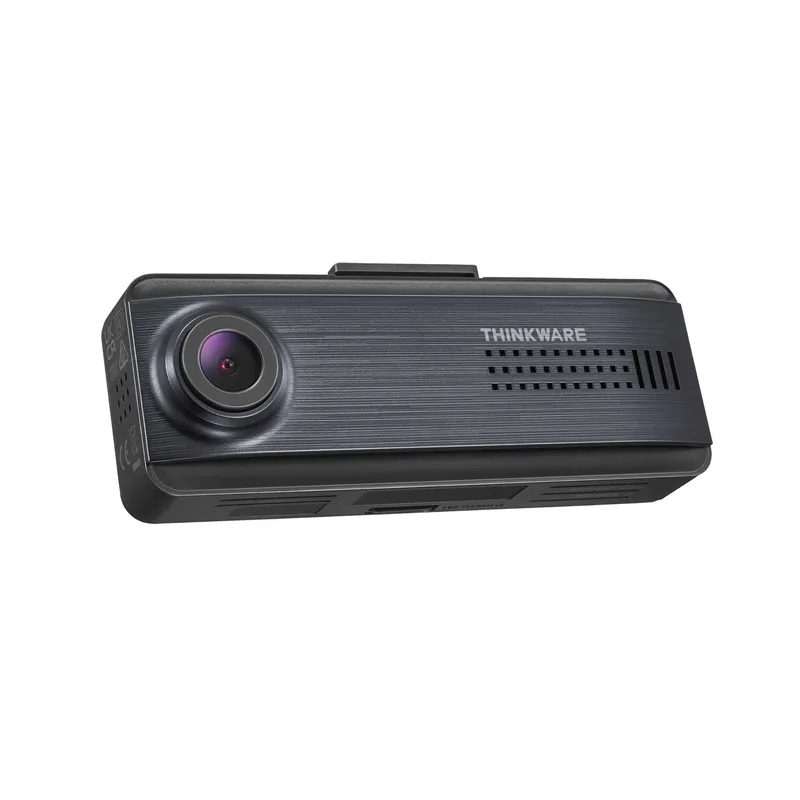 Official manufacturer image
Thinkware Q200
Check price on Amazon AUHow-to guides
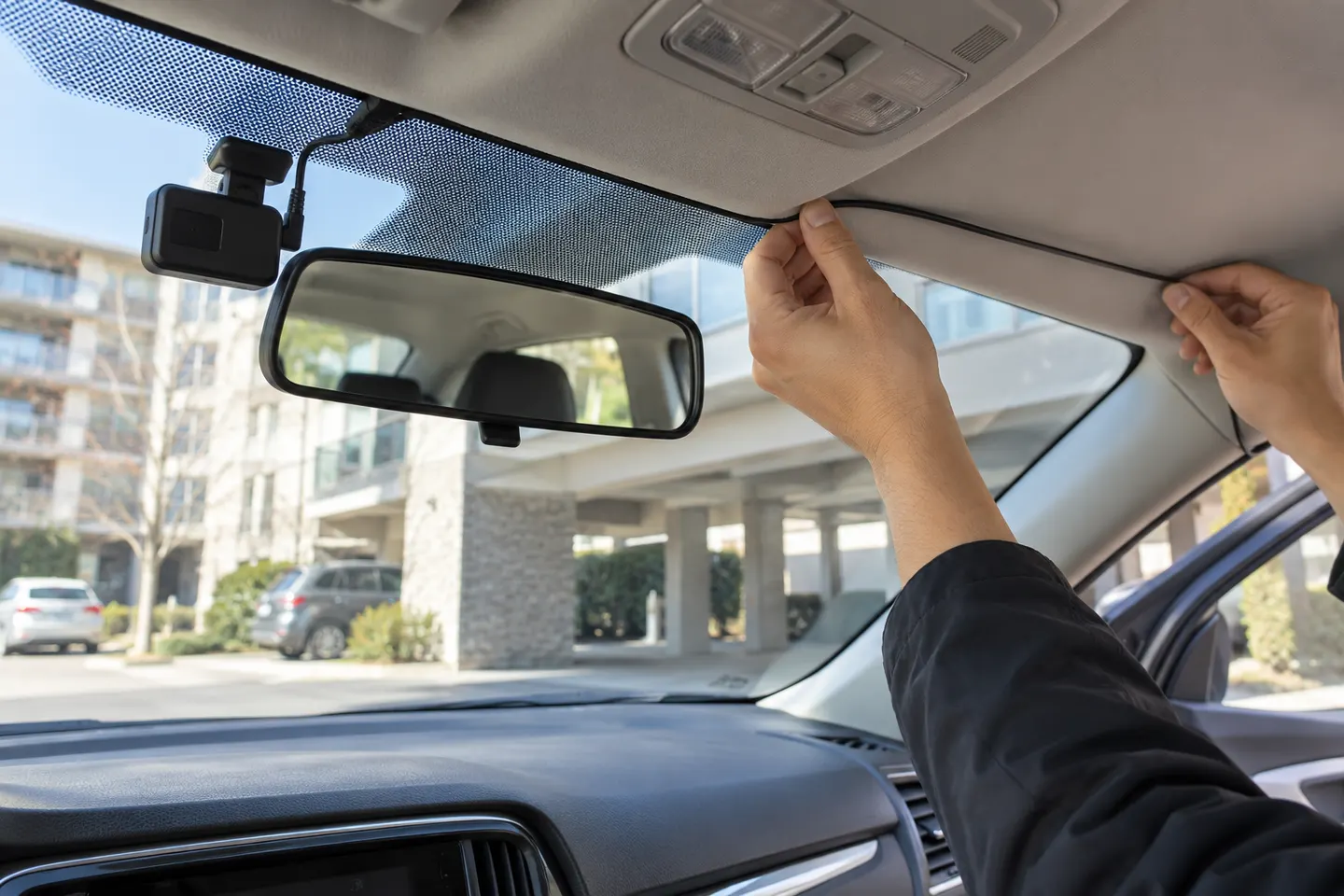 Dash Cam
Common questions
Questions before you buy
Can I install a dash cam myself?
A plug-in front camera is often manageable if you follow both manuals and route the cable safely. Hardwiring and complex rear-camera routes are better handled by a qualified installer when you are unsure.
Does hardwiring a dash cam drain the car battery?
A compatible hardwire kit should include low-voltage protection or work with the camera's cut-off settings. Incorrect wiring or settings can still discharge a battery.
Where should the power cable run?
Run it along secure trim paths without crossing pedals, controls or airbag deployment areas. Do not force a cable under trim when you do not know what is behind it.
How long does dash cam installation take?
It depends on the vehicle, number of cameras and power method. A front-only plug-in setup is simpler than a hardwired front-rear system with tailgate cable routing.