



 Official manufacturer image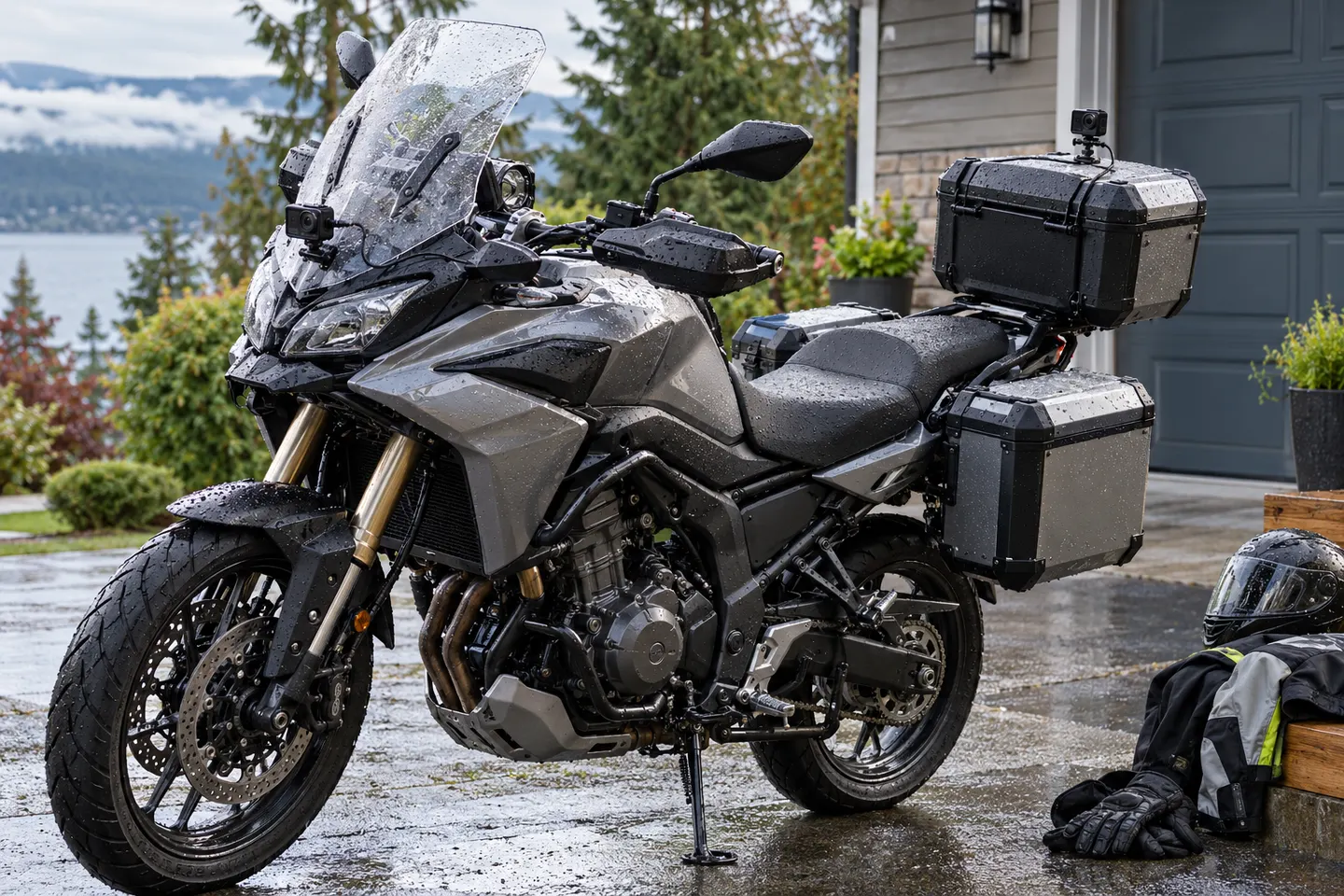
Our picks
Top picks
Official manufacturer image Official manufacturer image
Garmin Dash Cam Mini 3
Check price on Amazon AU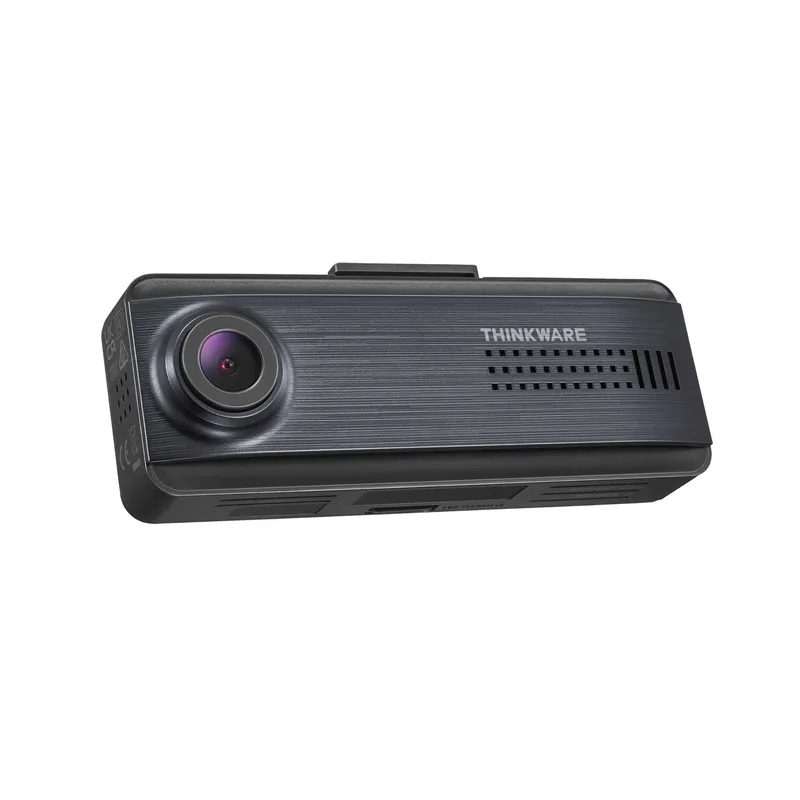 Official manufacturer image
Thinkware Q200
Check price on Amazon AUCommon questions
Questions before you buy
Can you put a dash cam on a motorcycle?
Yes, but use a motorcycle-specific system or an action camera mounted in accordance with its instructions. Car cameras and mounts may not tolerate exposure or vibration.
Is a motorcycle dash cam better than a helmet camera?
A fixed system starts with the bike and can cover front and rear; a helmet camera follows your view and is easier to remove. The best choice depends on whether continuous automatic recording or portable footage matters more.
How is a motorcycle dashcam powered?
Fixed systems normally connect to the motorcycle electrical system through their supplied protected wiring. Installation must avoid battery drain, heat and interference with controls.
Where should motorcycle cameras be mounted?
Choose rigid positions with a clear view, away from steering travel, suspension, exhaust heat and road spray beyond the product's protection rating. Recheck fasteners periodically.