



 Official manufacturer image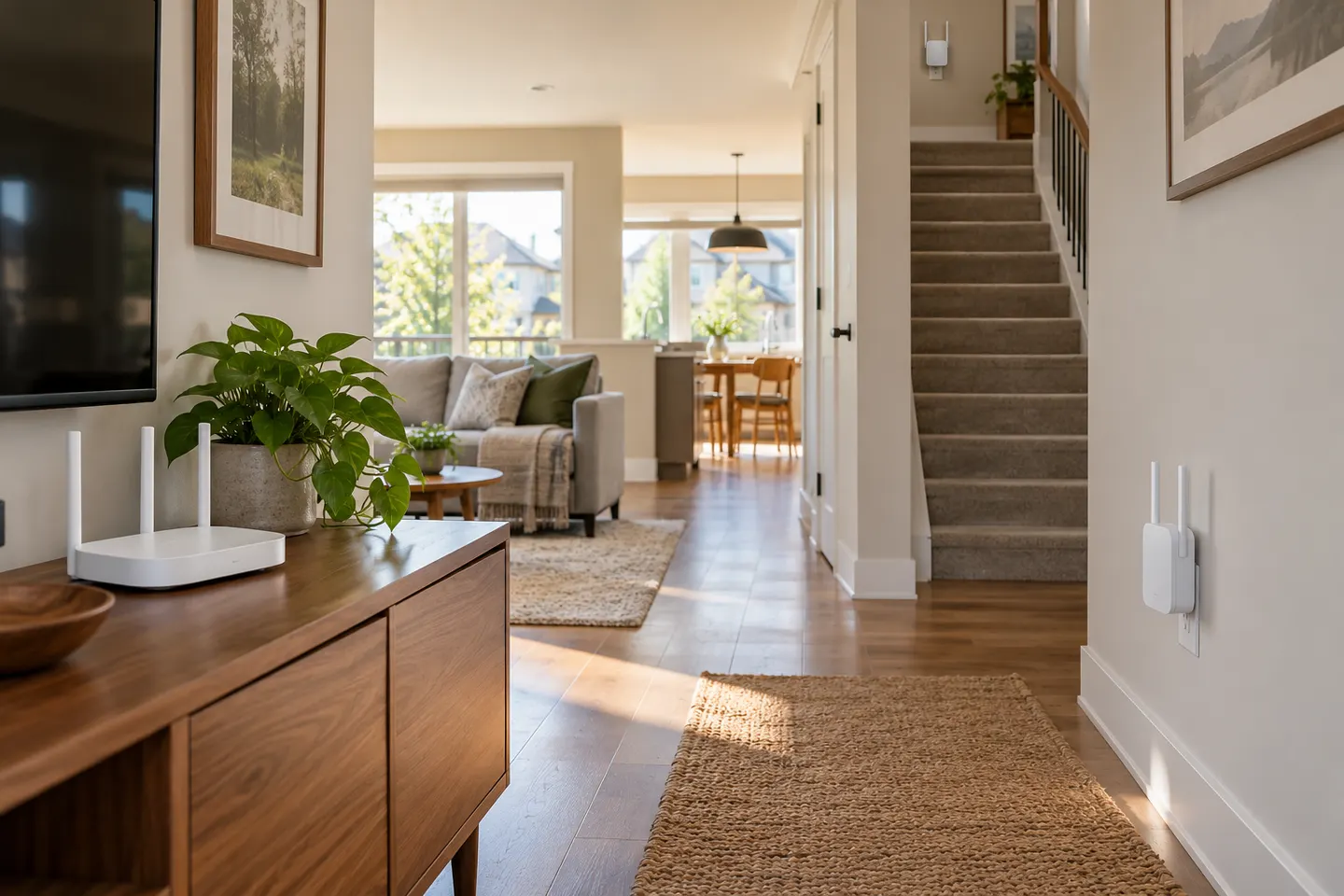
Our picks
Top picks
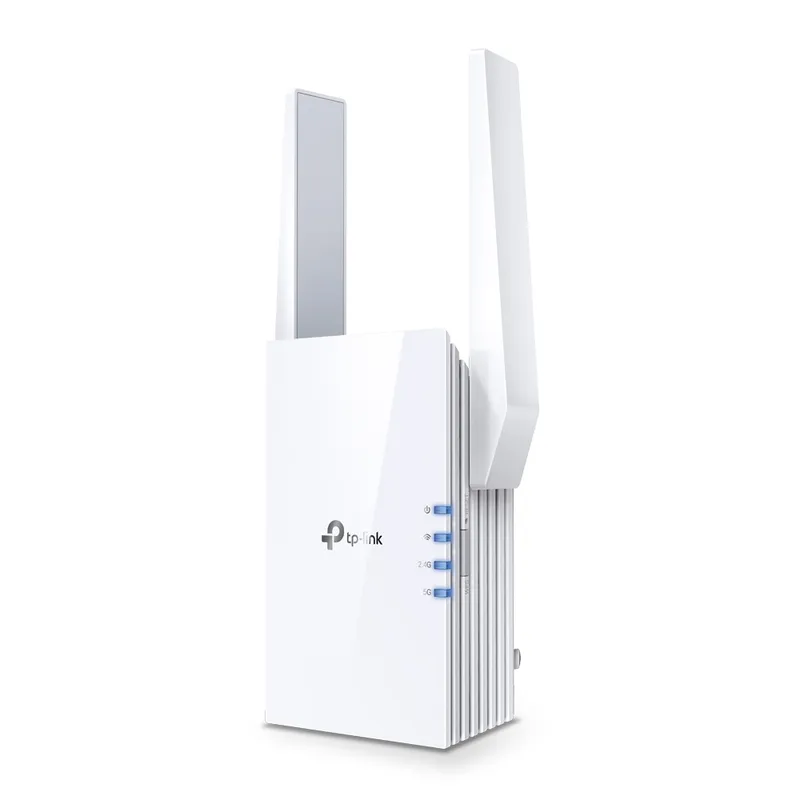
Official manufacturer image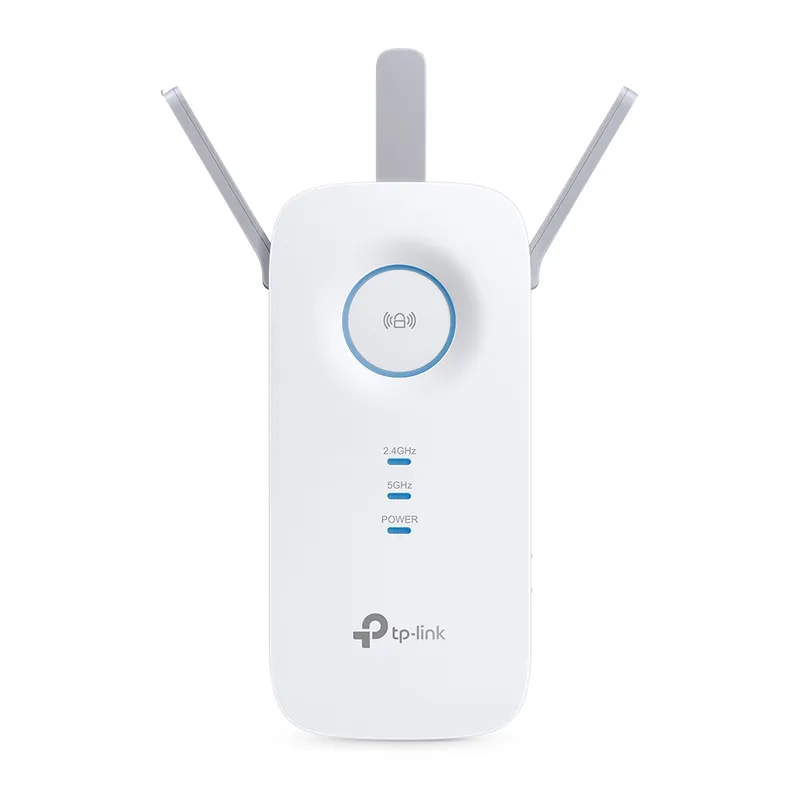 Official manufacturer image
TP-Link RE550
Check price on Amazon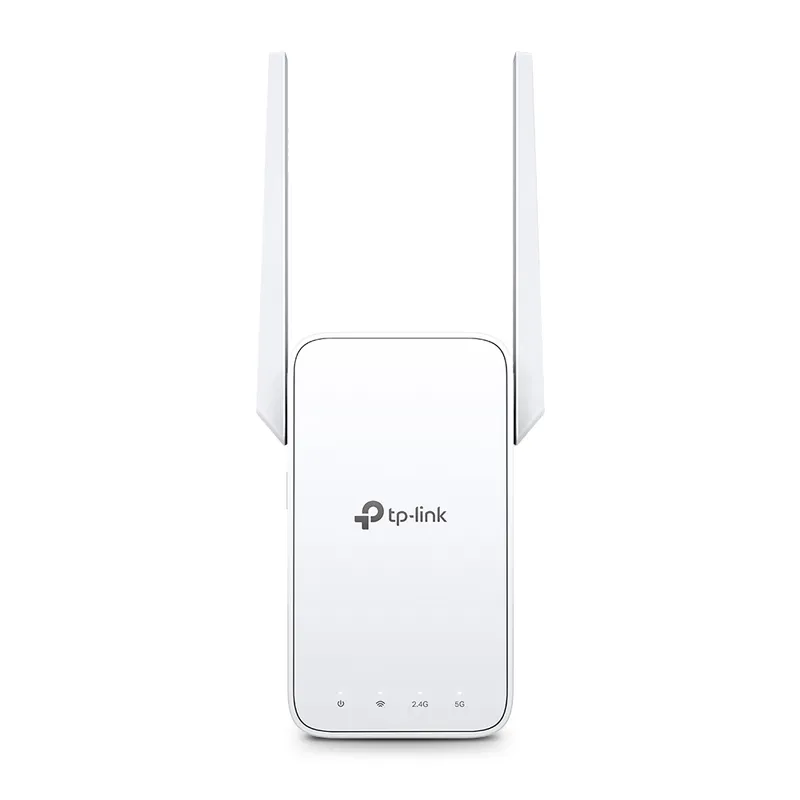 Official manufacturer image
TP-Link RE315
Check price on AmazonCommon questions
Questions before you buy
Is mesh WiFi better than an extender?
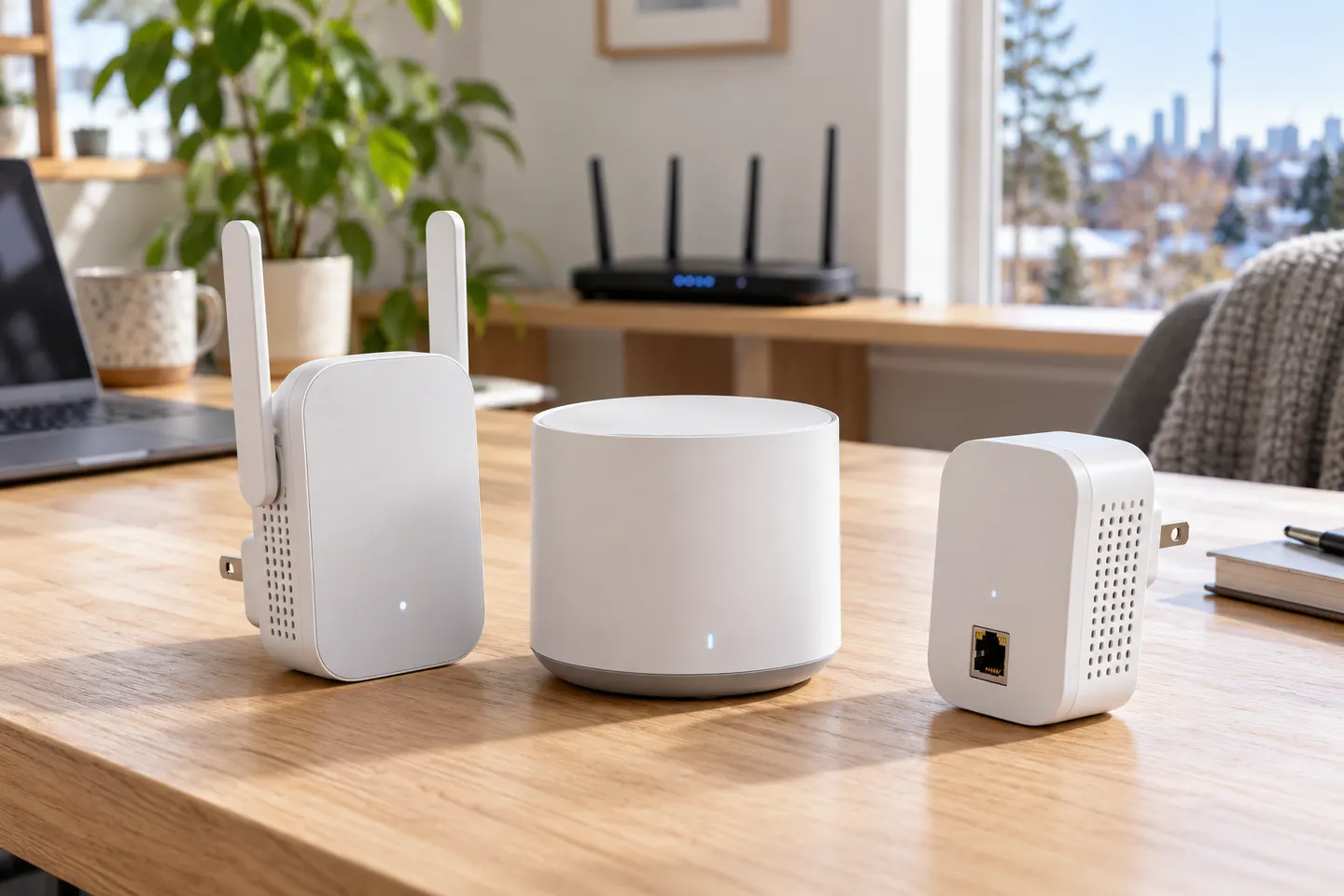
Mesh is usually easier to manage across several rooms because its nodes coordinate under one network name. A range extender can be a simpler fit for one dead zone, but performance depends on the signal it receives and compatibility with your router.
Can a mesh WiFi extender work with any router?
A standalone range extender may support broad router compatibility, while mesh roaming features often require compatible devices from the same system or standard. Check the exact model documentation.
Does a mesh WiFi booster use the same network name?
A mesh system is designed to present a unified network name across its nodes. A traditional extender may create a separate extended network unless its router and extender support compatible mesh features.
Should I choose mesh WiFi or a range extender?
Choose mesh when weak coverage spans multiple areas and seamless roaming matters. Consider a range extender when one room needs a boost and the existing router still works well elsewhere.