



 Official manufacturer image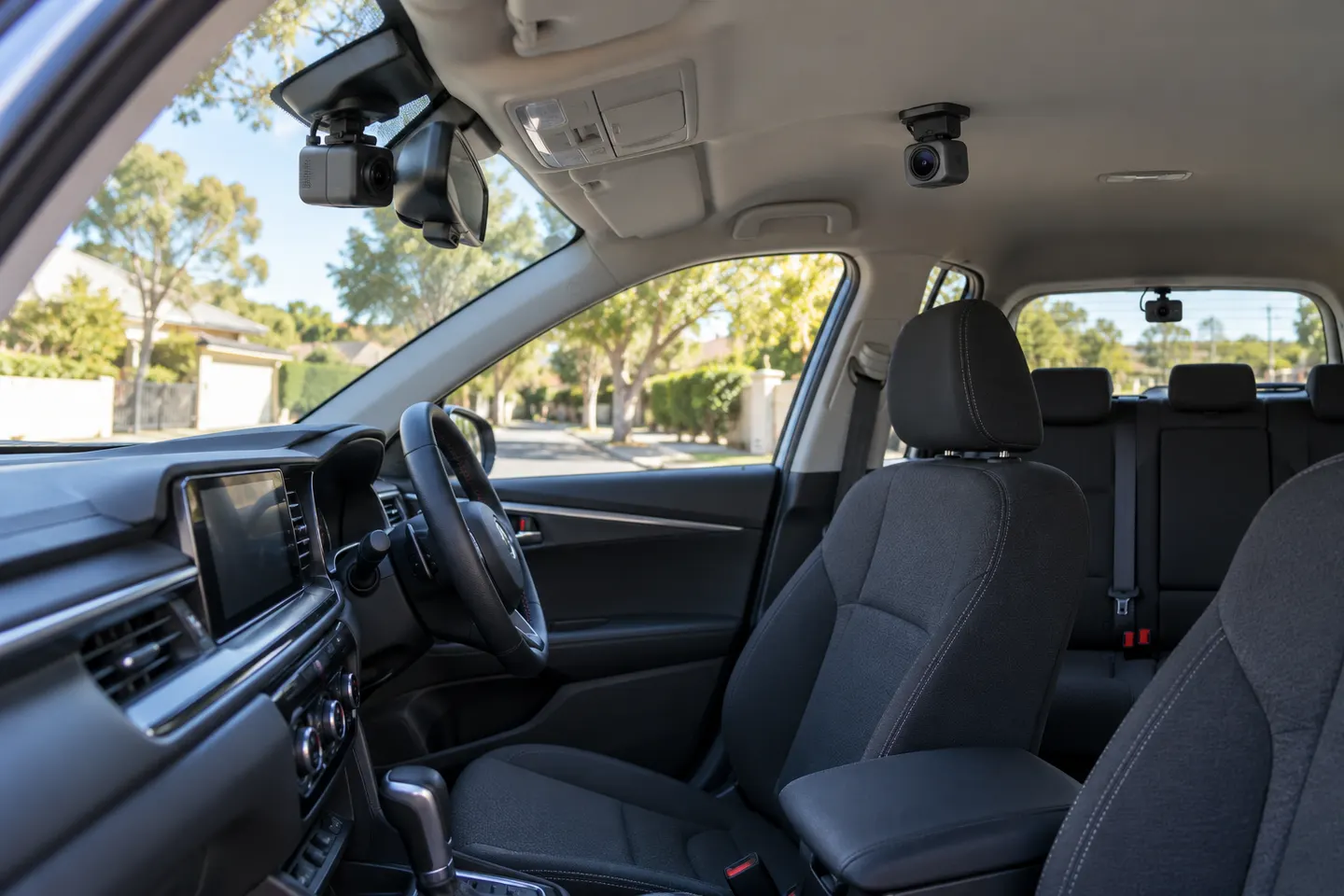
Our picks
Top picks
Official manufacturer image Official manufacturer image
VIOFO A229 Plus 2CH
Check price on Amazon AU Official manufacturer image
Garmin Dash Cam Mini 3
Check price on Amazon AUBy feature
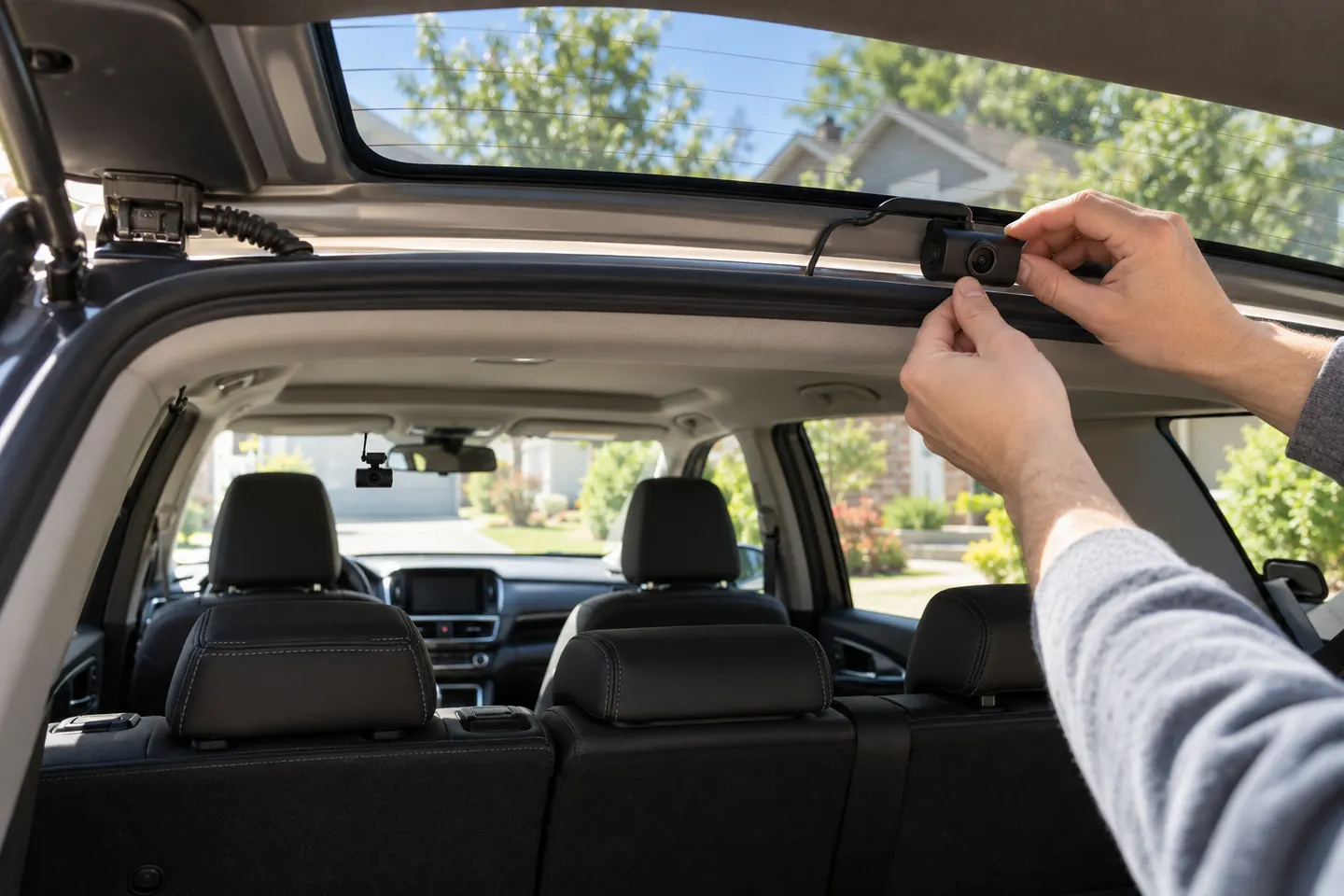 Dual channel
Common questions
Questions before you buy
What does 3 channel mean on a dash cam?
It means the system records three video feeds. The usual arrangement is front, cabin and rear, although some commercial systems use a different third view.
Is a 3 channel dash cam worth it for rideshare driving?
It can be useful when you need cabin context as well as front and rear footage. Consider passenger privacy, notice requirements, storage demand and how quickly clips can be exported.
Does three-channel recording reduce video quality?
Available resolution or frame rate can change when every camera records at once. Read the simultaneous-recording specification rather than relying on the headline front-camera resolution.
How much storage does a three-camera dash cam need?
It depends on resolution, frame rate, compression and driving time. Use a high-endurance card within the manufacturer's supported capacity and check the estimated recording table in its manual.
Where is the Tesla Model 3 dashcam USB location?
Tesla has changed USB provisions across build years and configurations. Check the current Model 3 owner's manual for your vehicle rather than relying on a universal location.