



 Official manufacturer image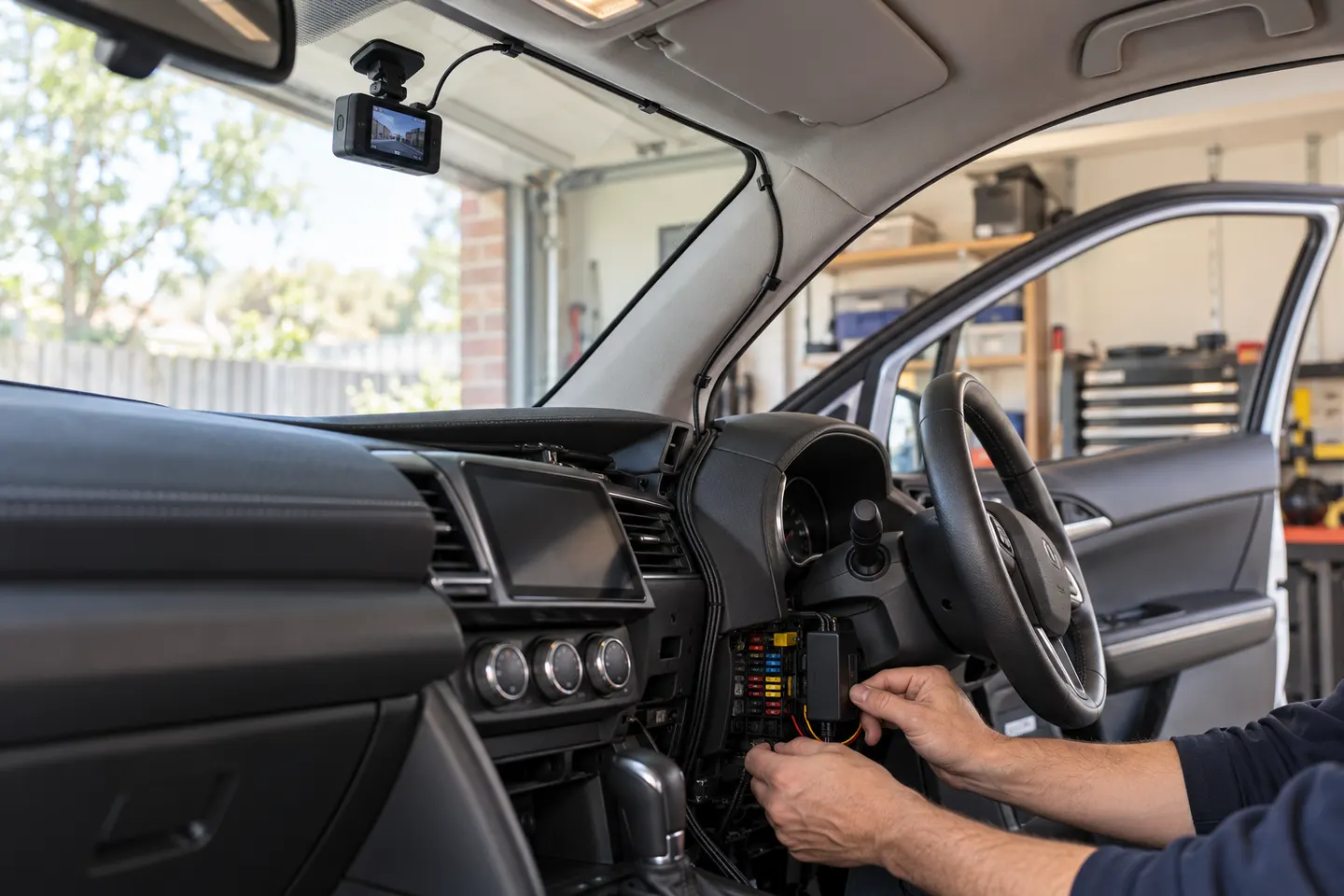
Our picks
Top picks
Official manufacturer image Official manufacturer image
VIOFO A229 Plus 2CH
Check price on Amazon AU Official manufacturer image
Garmin Dash Cam Mini 3
Check price on Amazon AUBy feature
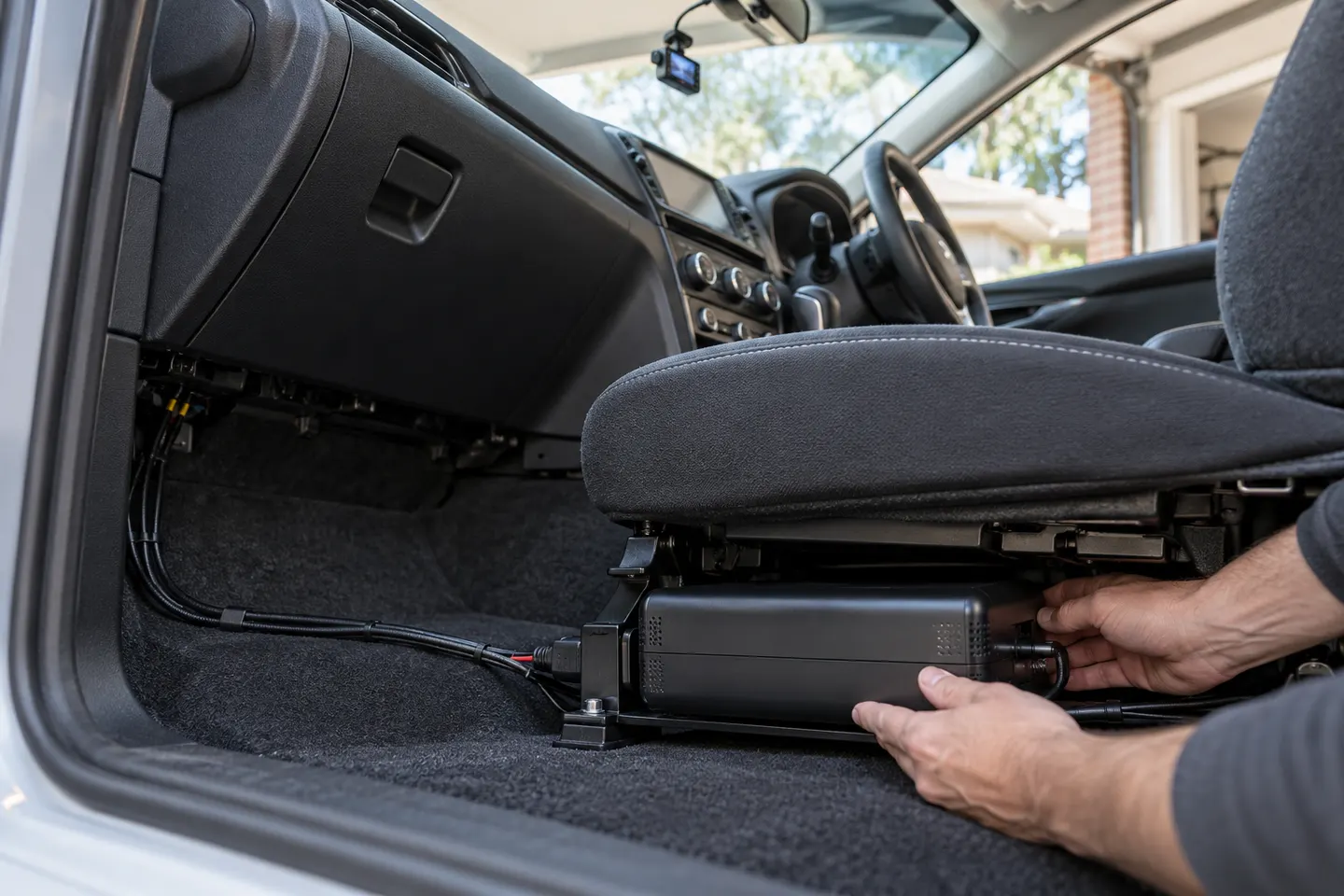 Battery pack
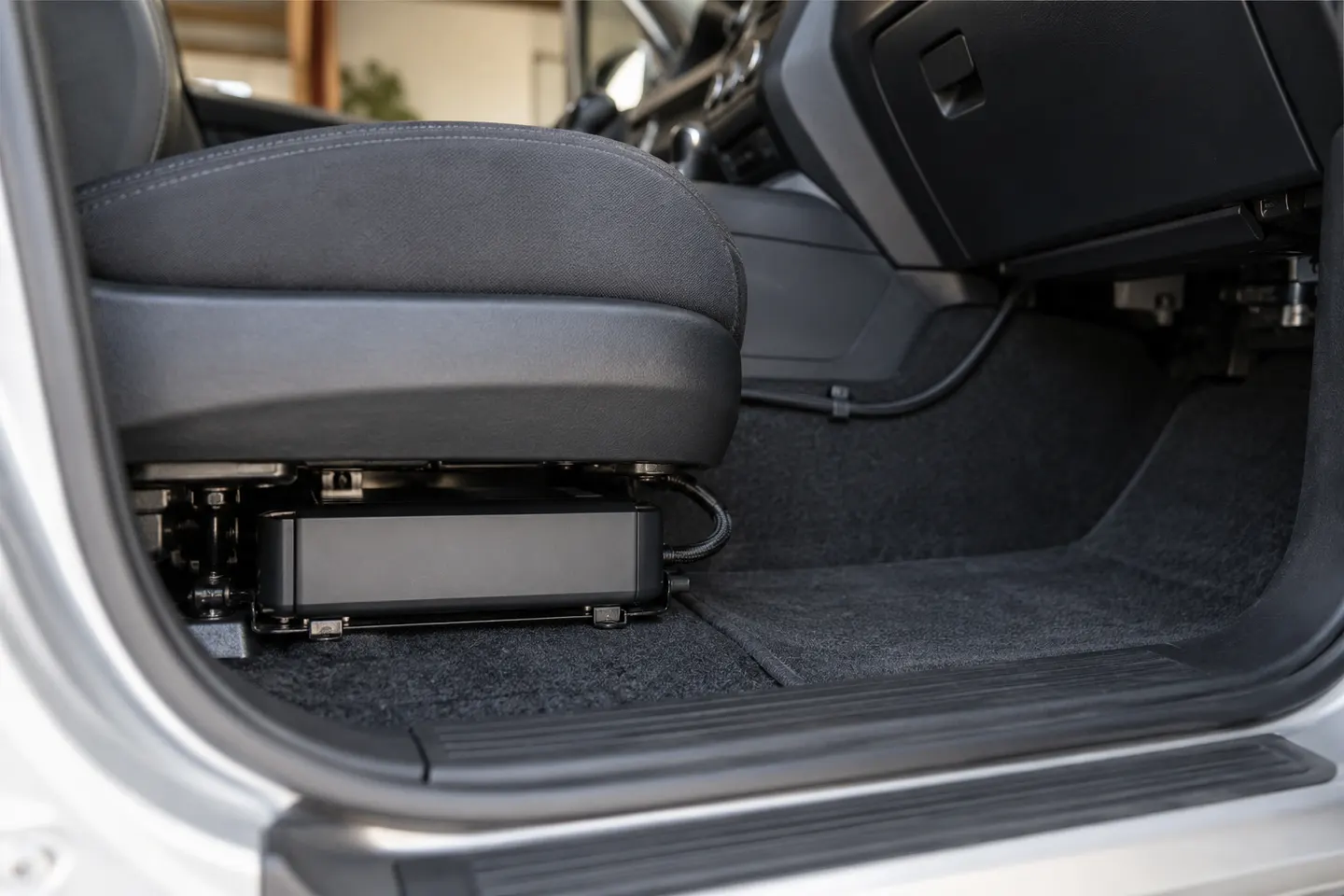 Battery
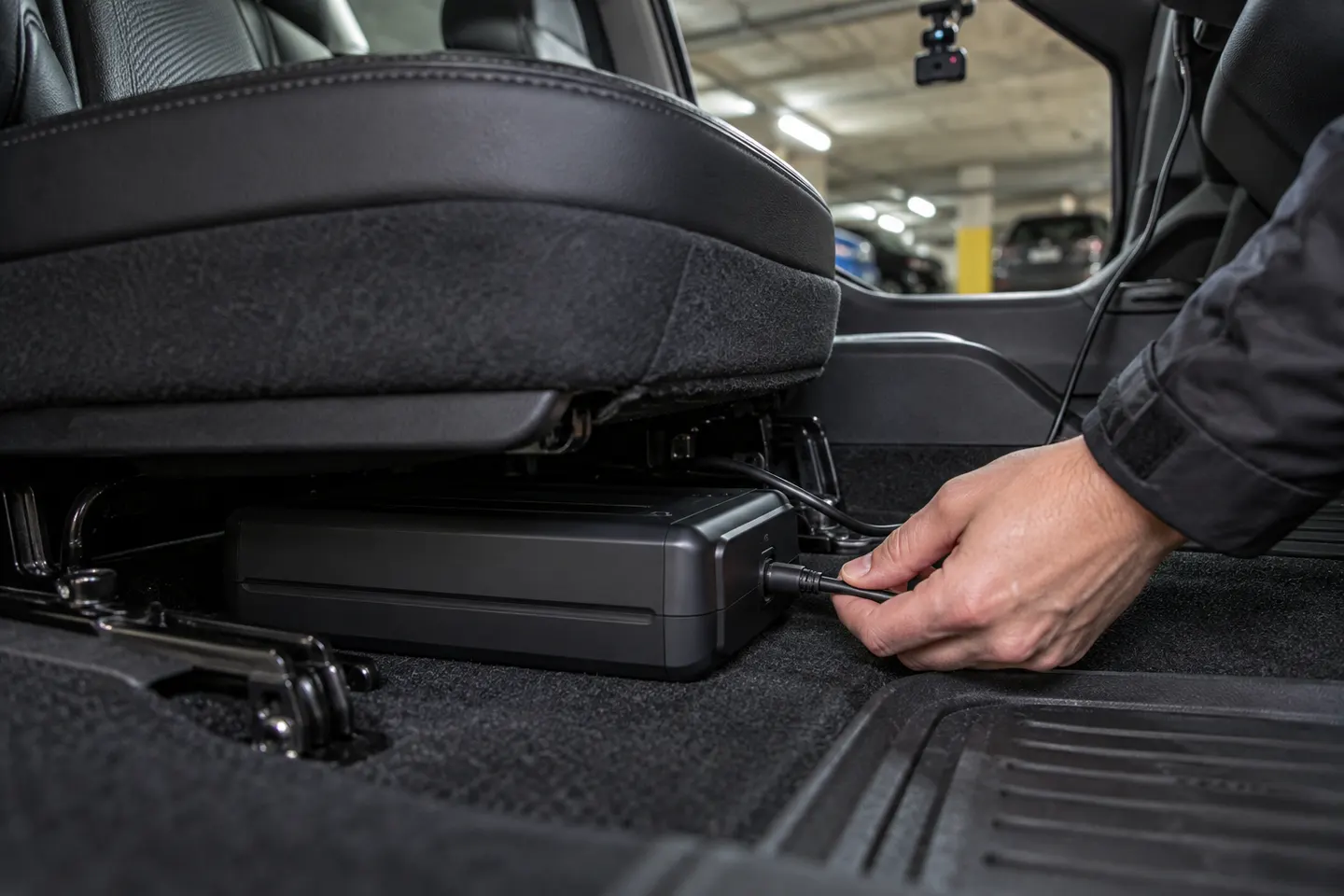 Rechargeable battery
Common questions
Questions before you buy
Can a dash cam run only on its internal battery?
Usually only briefly, if at all. Internal power is commonly intended to finish a recording or shut down safely rather than cover a full drive.
How does a dash cam record when the car is off?
Parking recording normally needs a constant, managed power source such as an approved hardwire kit, compatible OBD cable or dedicated battery pack.
Is a capacitor better than a battery in Australian heat?
Capacitor-based designs are often chosen for temperature resilience, but operating limits vary. Check the manufacturer's specified temperature range and installation advice.
Does USB-C mean a dash cam is rechargeable?
No. USB-C describes the connector and power interface; it does not prove the camera contains a rechargeable battery or can operate unplugged.
Can parking mode flatten a car battery?
Any always-on accessory draws power. Use manufacturer-approved low-voltage protection and have the cutoff configured for the vehicle and usage pattern.