



 Official manufacturer image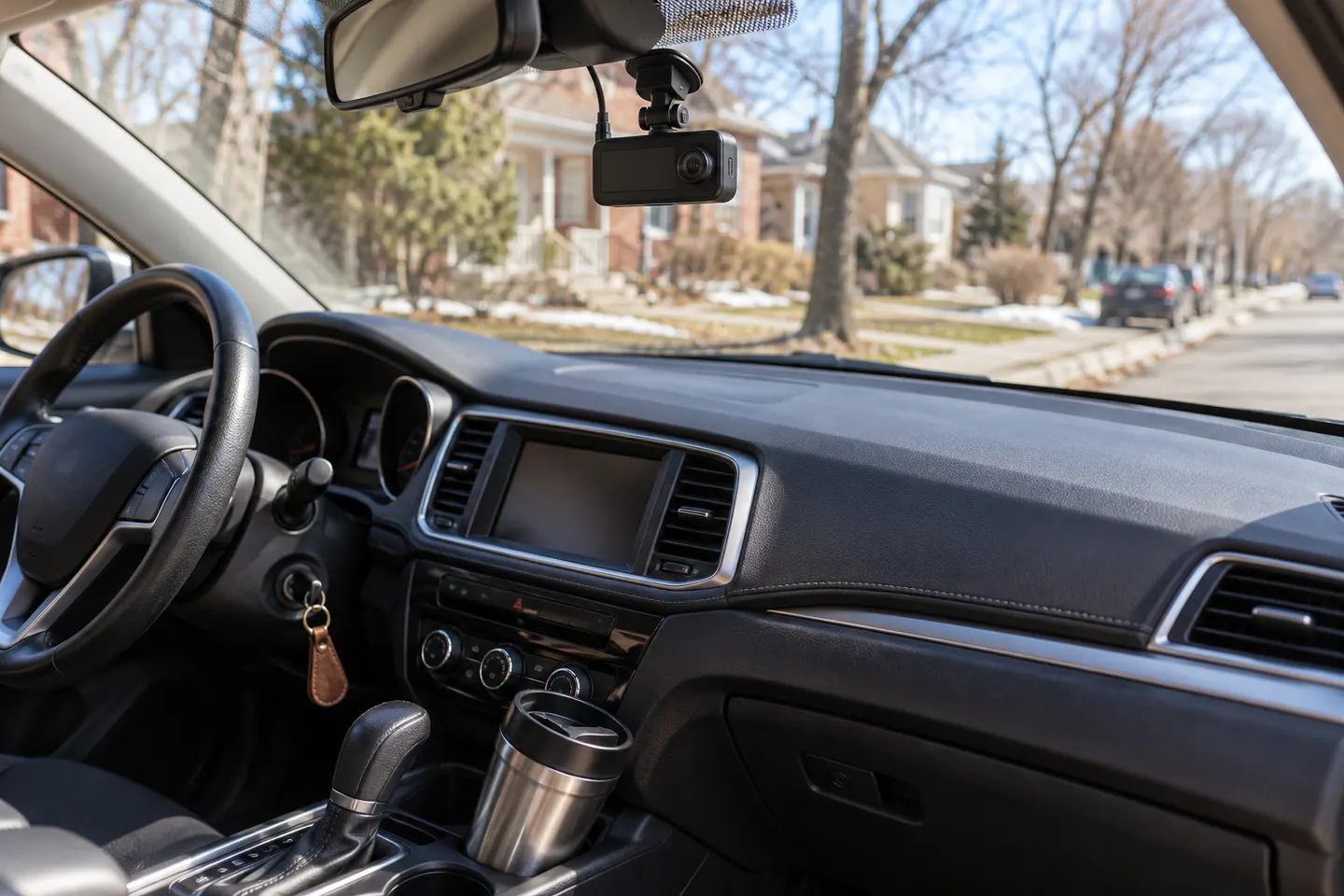
Our picks
Top picks
Official manufacturer image Official manufacturer image
VIOFO A229 Plus 2CH
Check price on Amazon AU Official manufacturer image
Garmin Dash Cam Mini 3
Check price on Amazon AUMore topics
Common questions
Questions before you buy
What is a G-sensor on a dash cam?
It is an accelerometer that detects changes in movement. The camera can use that signal to mark or protect an event recording.
Does a G-sensor record all the time?
The camera normally handles continuous loop recording; the G-sensor identifies sudden movement so the relevant clip can be treated differently.
Why does my dash cam keep creating event files?
Sensitivity may be too high for local roads or the camera mount may be moving. Check mounting security and adjust sensitivity according to the manual.
Will a G-sensor work while the car is parked?
It can on supported models, but parked recording requires the correct power arrangement and parking mode to be enabled.
Can protected dash cam files still be overwritten?
File rules vary, and protected storage can eventually fill or recycle. Copy important footage promptly and follow the manufacturer's storage guidance.