



 Official manufacturer image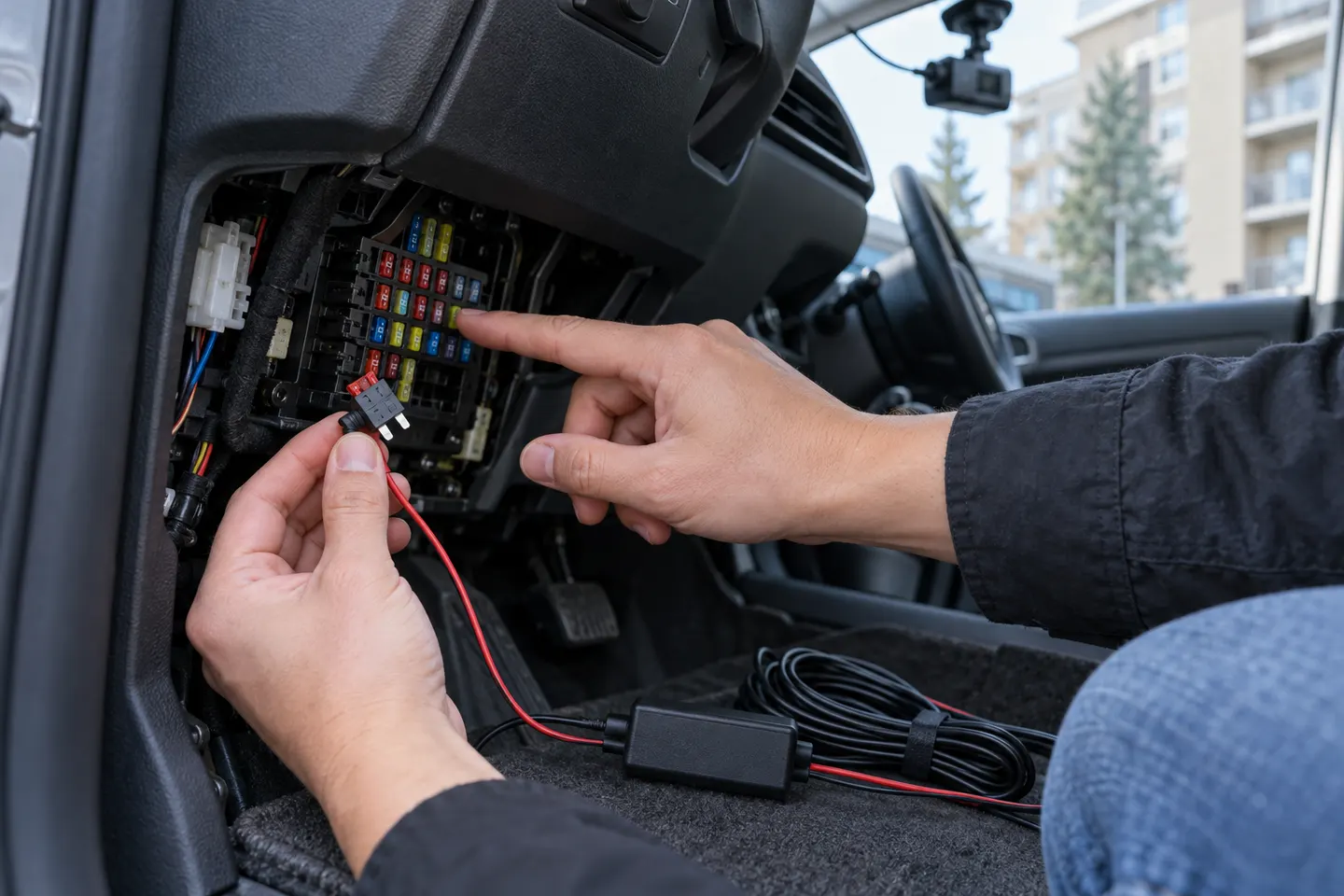
Our picks
Top picks
Official manufacturer image Official manufacturer image
VIOFO A229 Plus 2CH
Check price on Amazon AU Official manufacturer image
Garmin Dash Cam Mini 3
Check price on Amazon AUInstallation and accessories
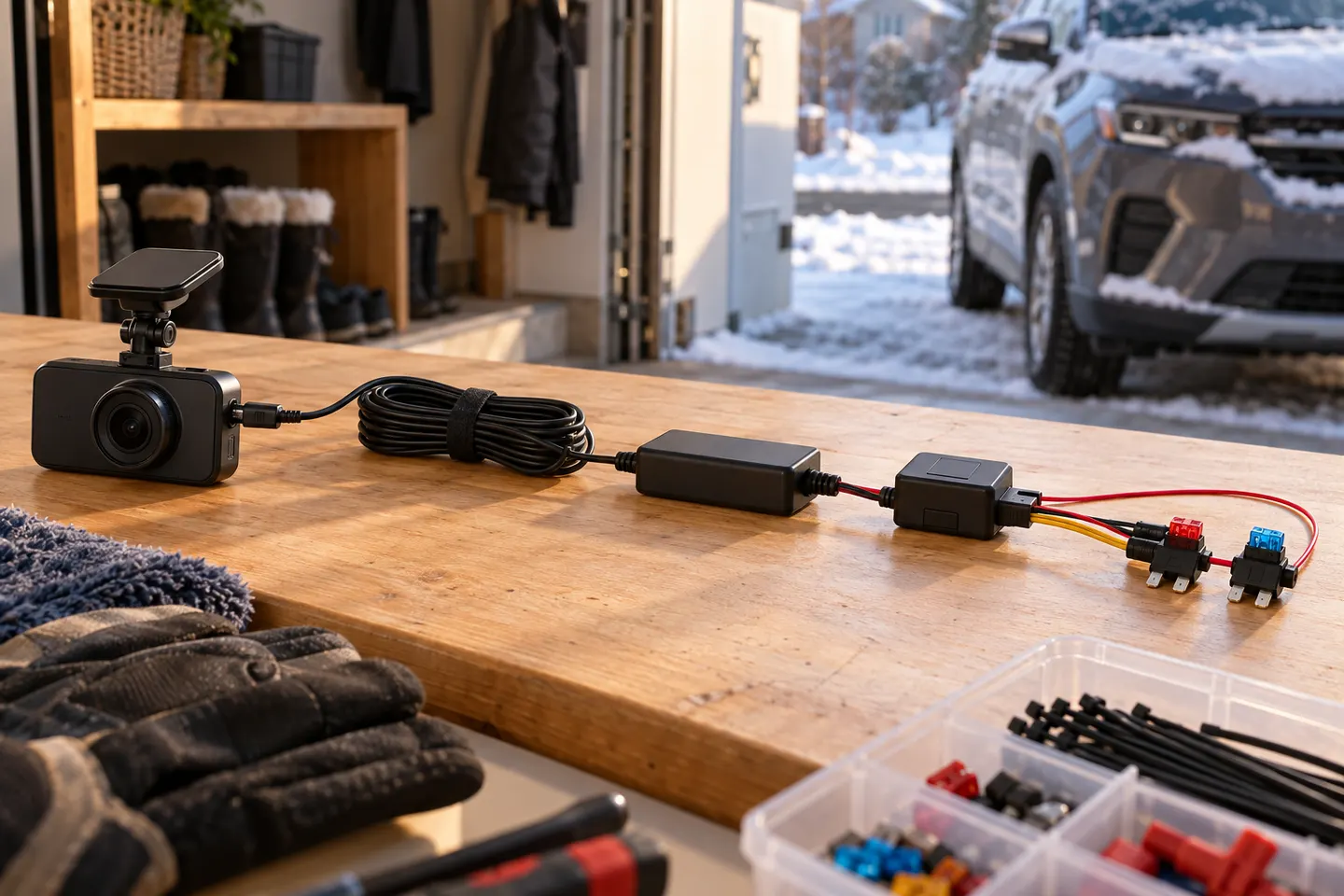 Hardwire kit
Common questions
Questions before you buy
Will hardwiring a dash cam drain the car battery?
A correctly configured kit with low-voltage protection should cut power before excessive discharge. Battery condition, parking duration and cut-off setting still matter.
Which fuse should be used for a dash cam?
The answer is vehicle-specific. Use the owner information and proper circuit testing; avoid safety-critical systems and seek an auto electrician when uncertain.
Does hardwiring enable parking mode?
It can, when both the camera and kit support the required parking trigger and constant-power arrangement.
Can a hardwire cable run beside an airbag?
It should not obstruct or cross an airbag’s deployment path. Route and secure the cable according to the vehicle and kit instructions.